


















































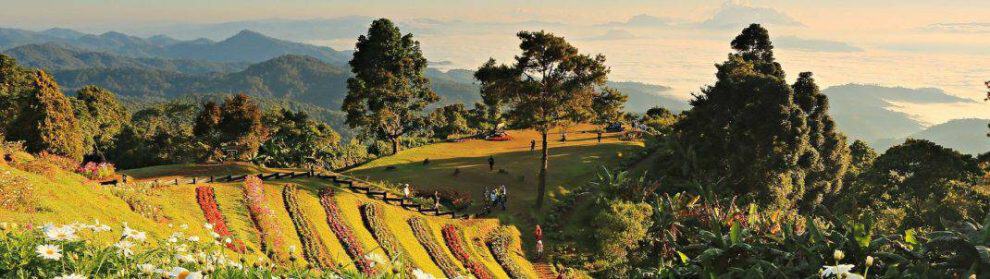
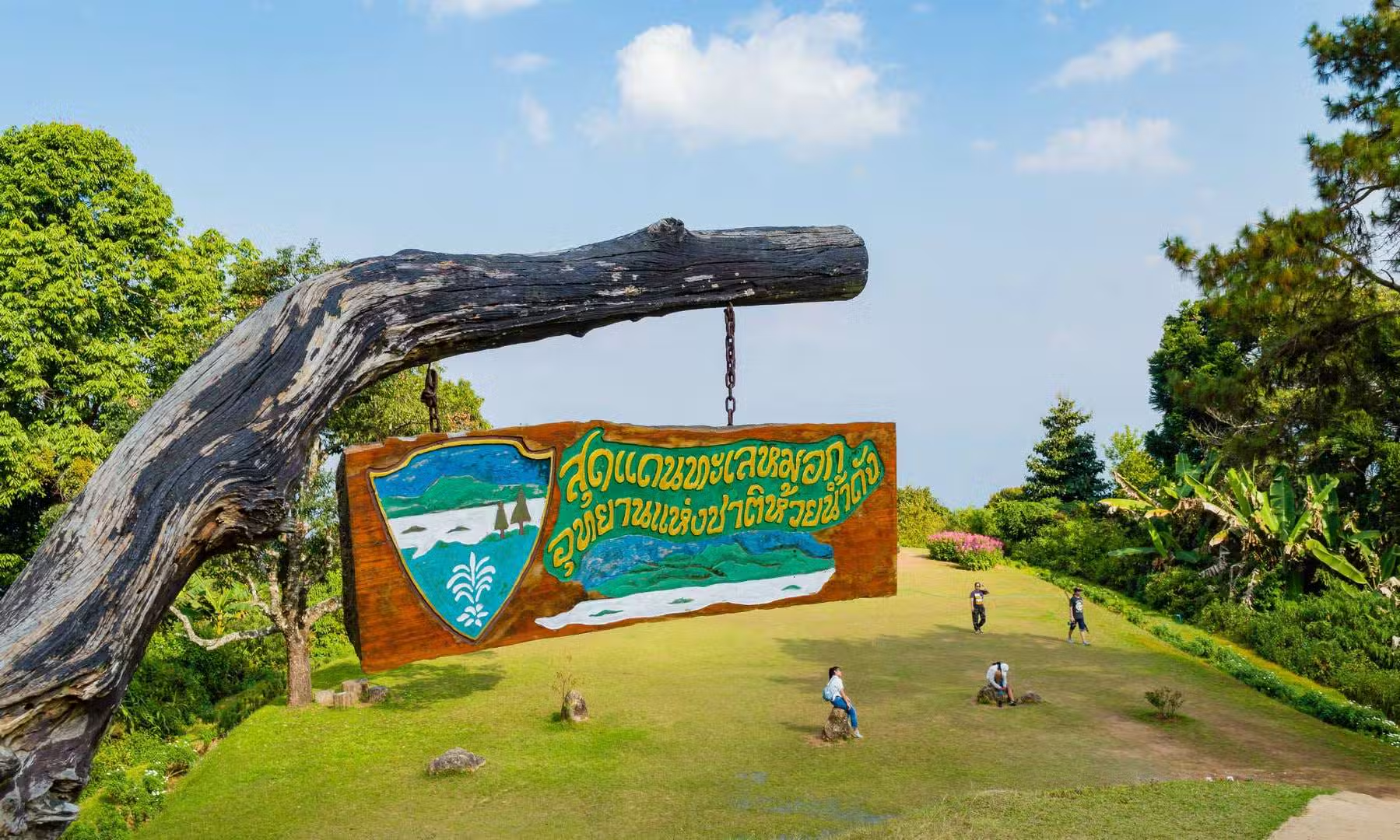
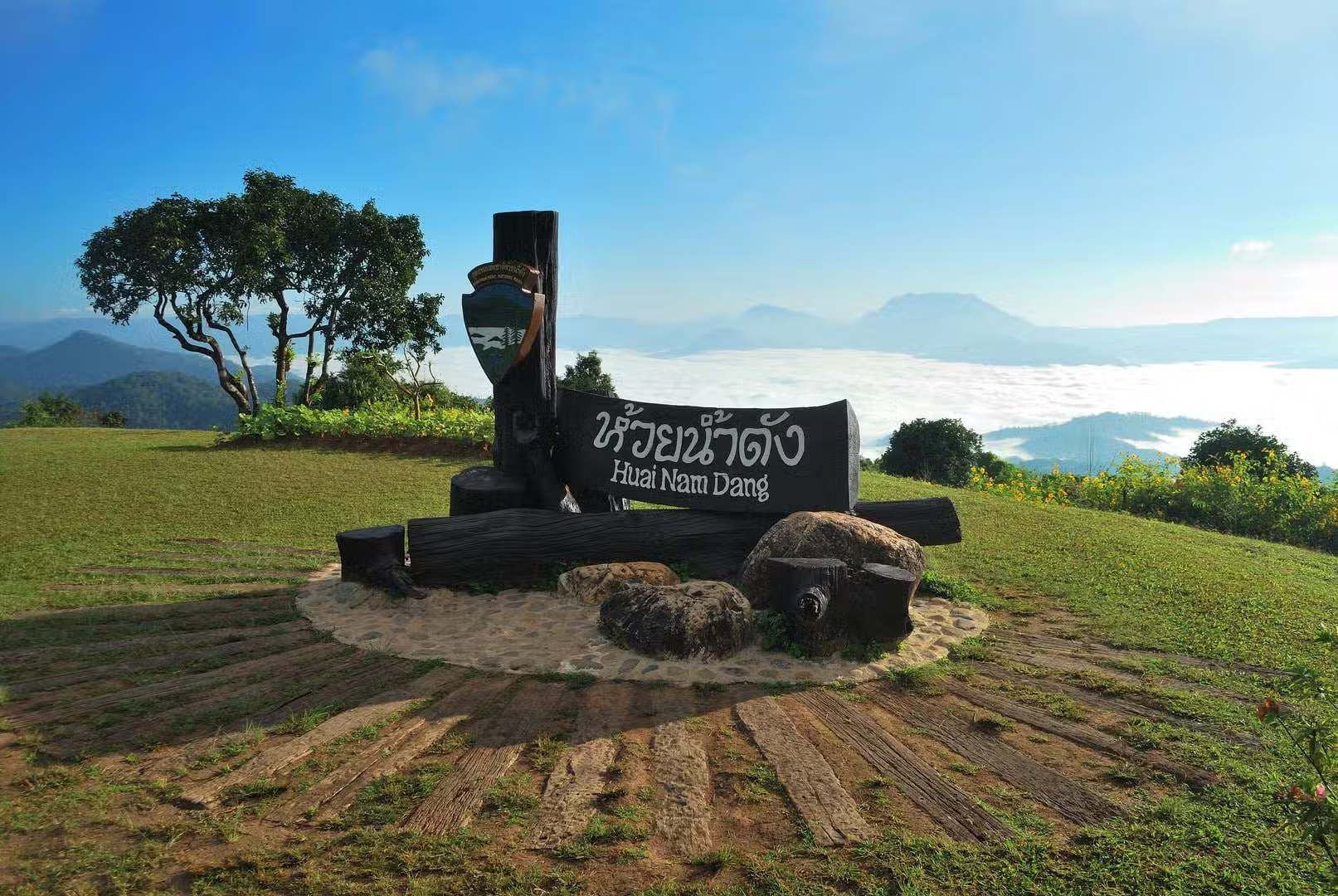
Huai Nam Dang National Park spans a mountain and forest landscape between Chiang Mai and Mae Hong Son. Its best-known visitor experience is the early-morning view from Doi Kiu Lom, where ridges rise above cloud-filled valleys when conditions are right. Camping and park accommodation let visitors remain close to the viewpoint for dawn.
The national park also includes other viewpoints, hot springs and forest routes, reached from separate approaches along the Chiang Mai-Pai corridor. Choose your main visitor area first: a sunrise at the headquarters area and a hot-spring visit are different plans, rather than adjacent stops reached from one carpark.
Mountain Views and the Sea of Mist
Doi Kiu Lom Viewpoint
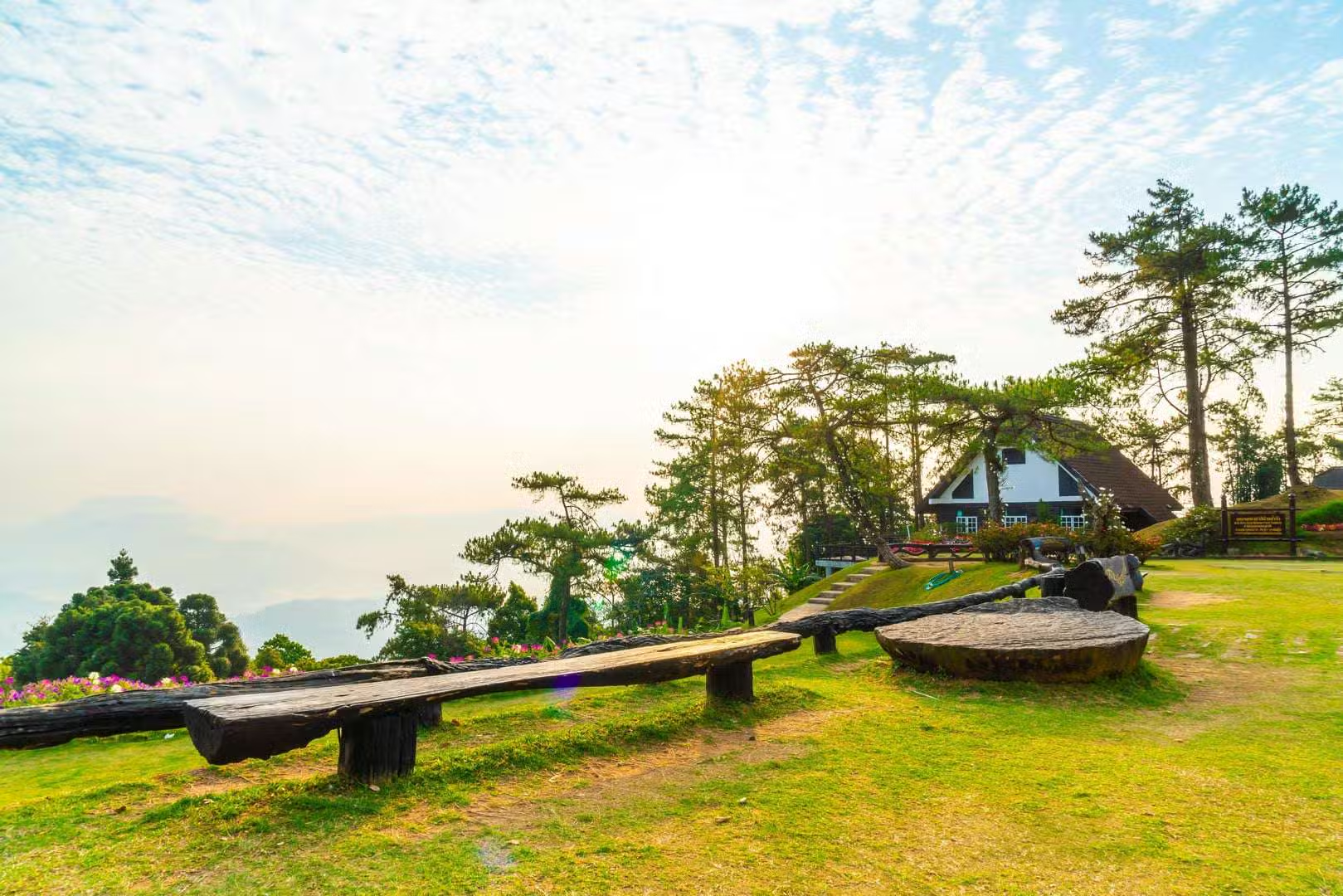
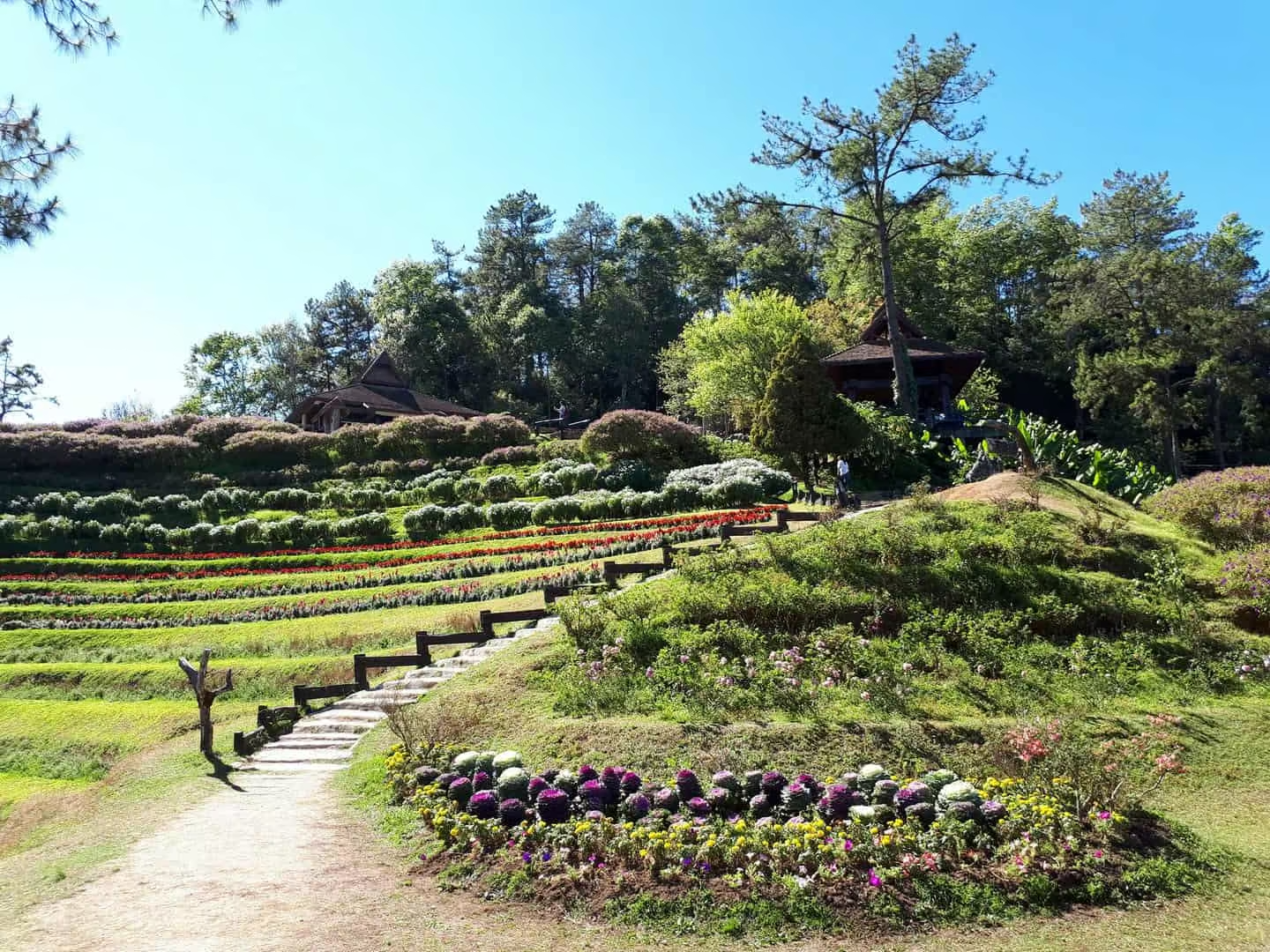
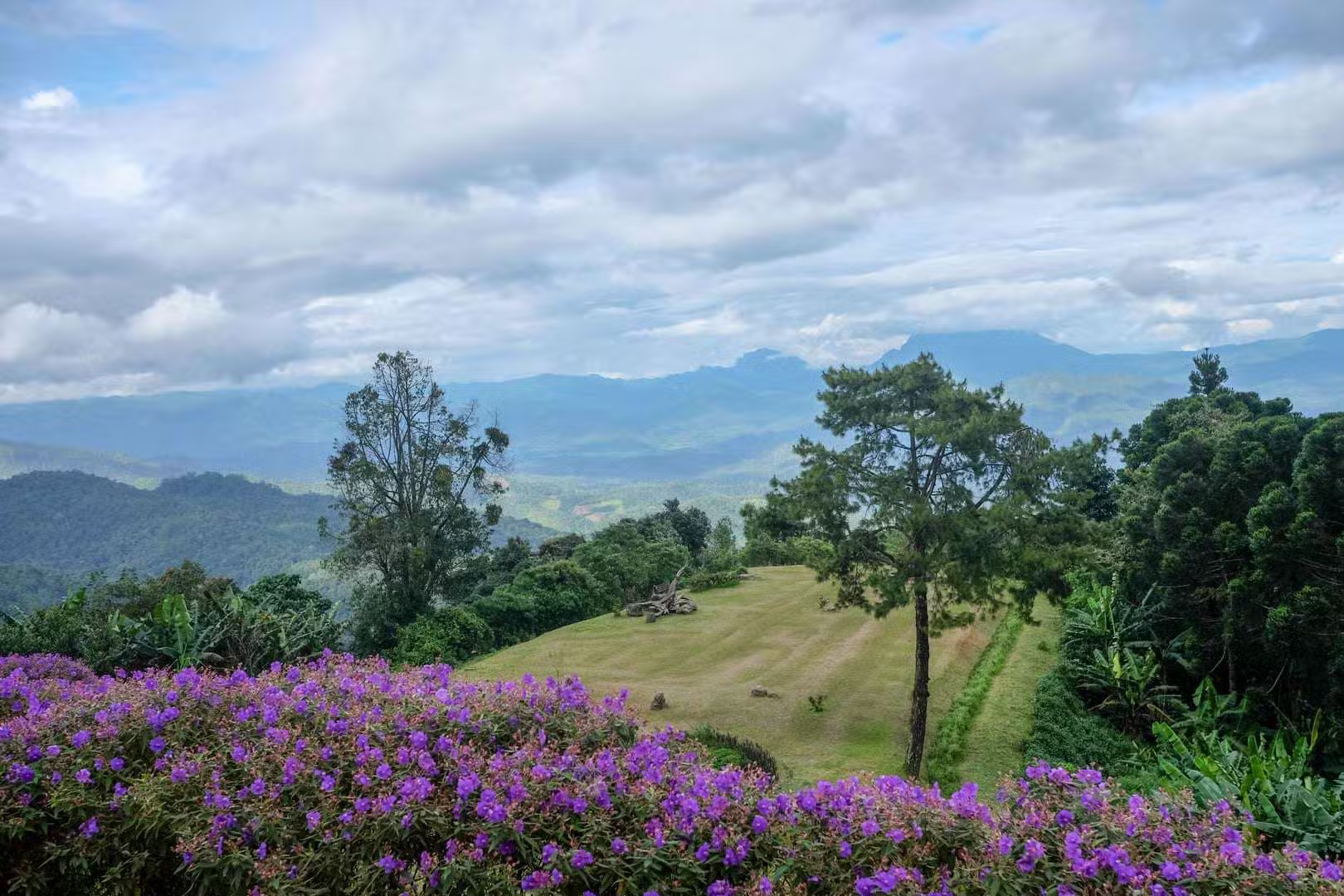
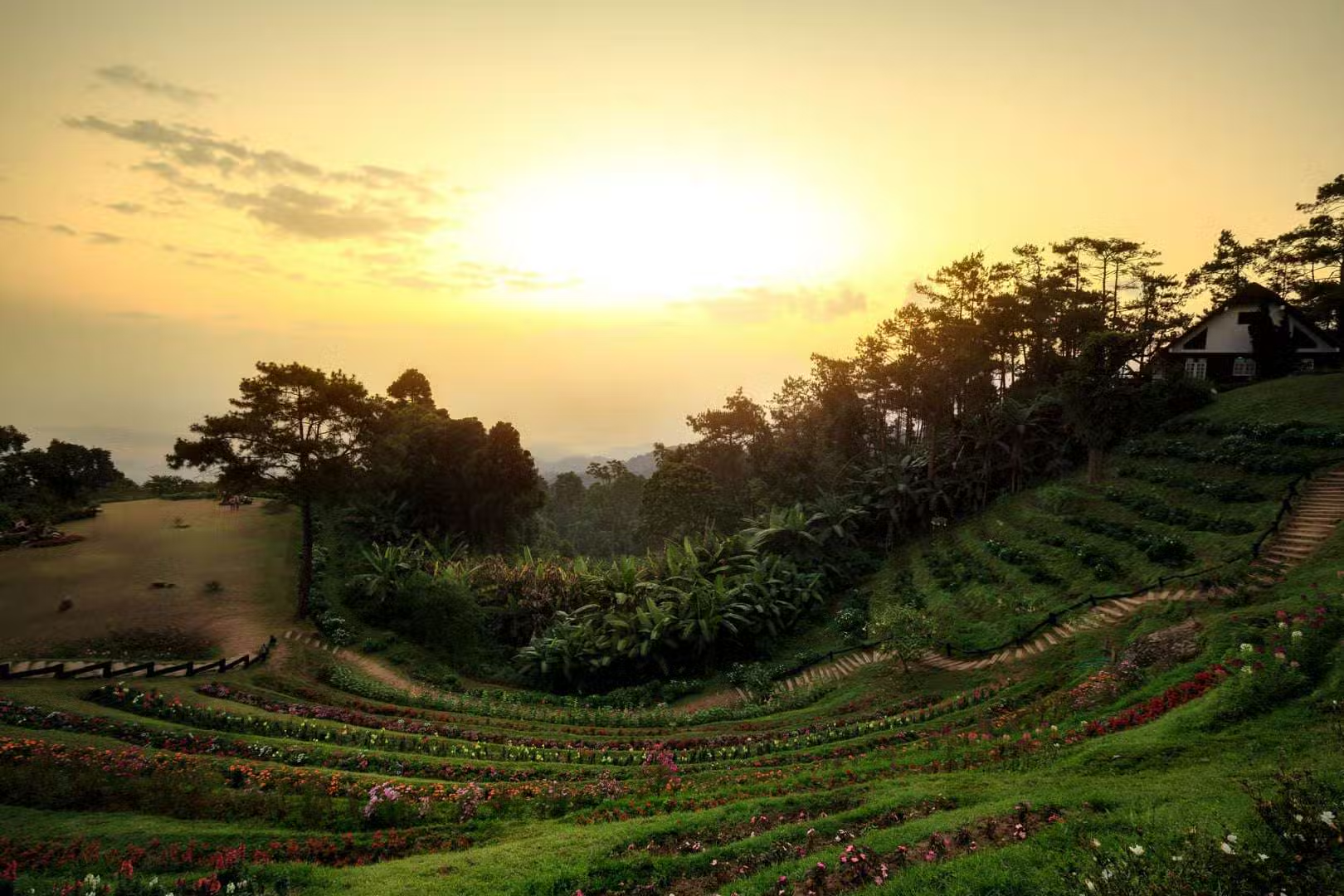
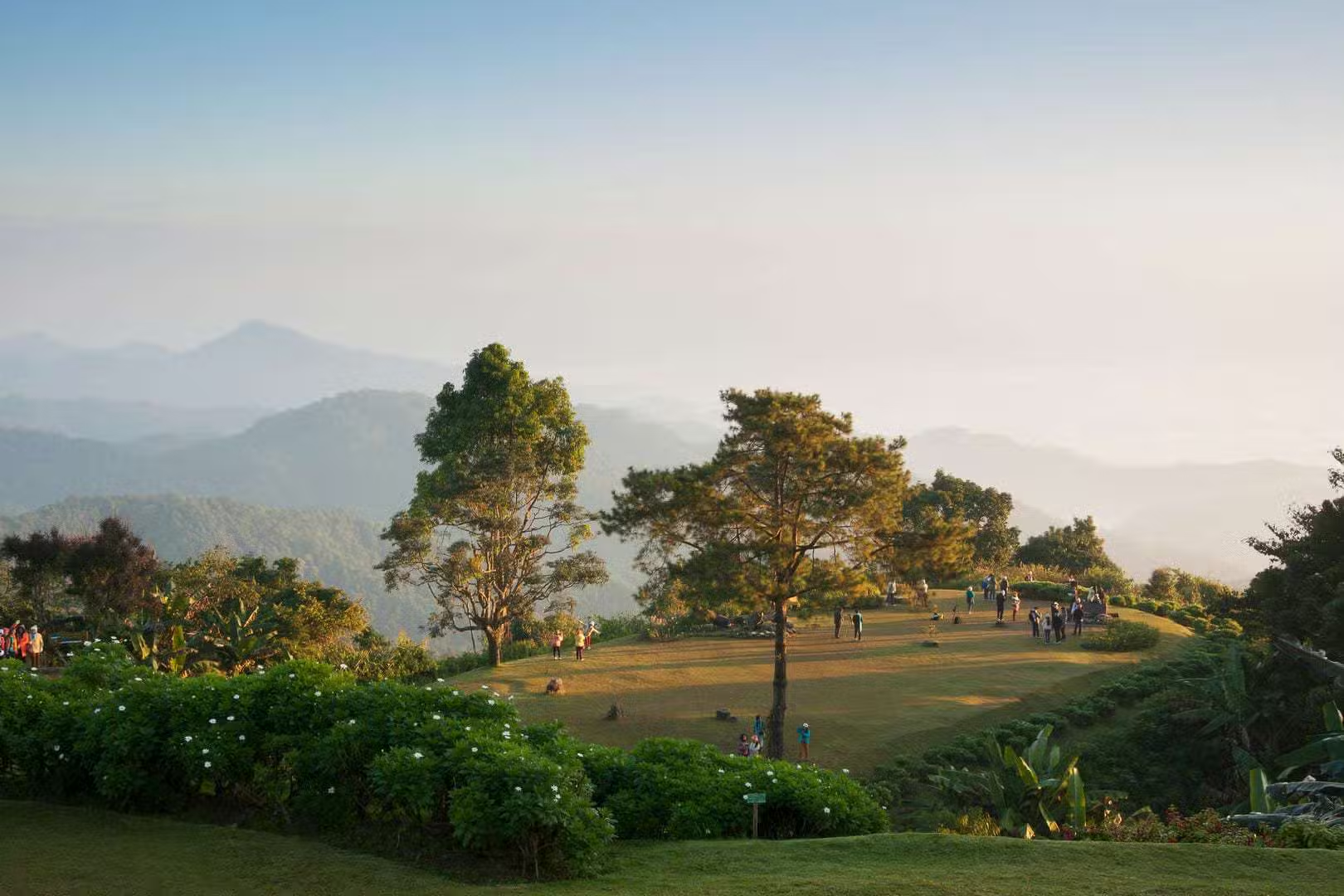
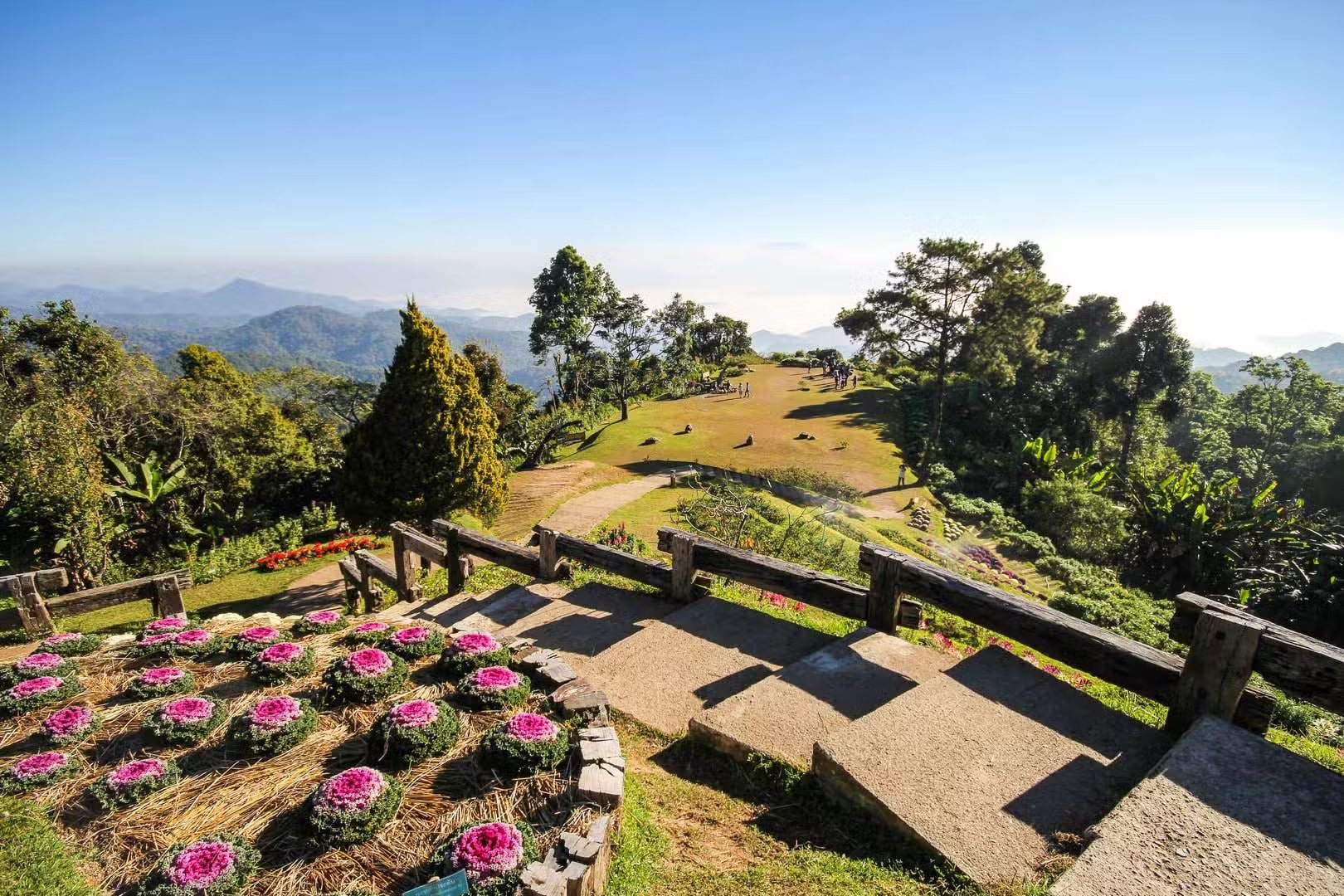
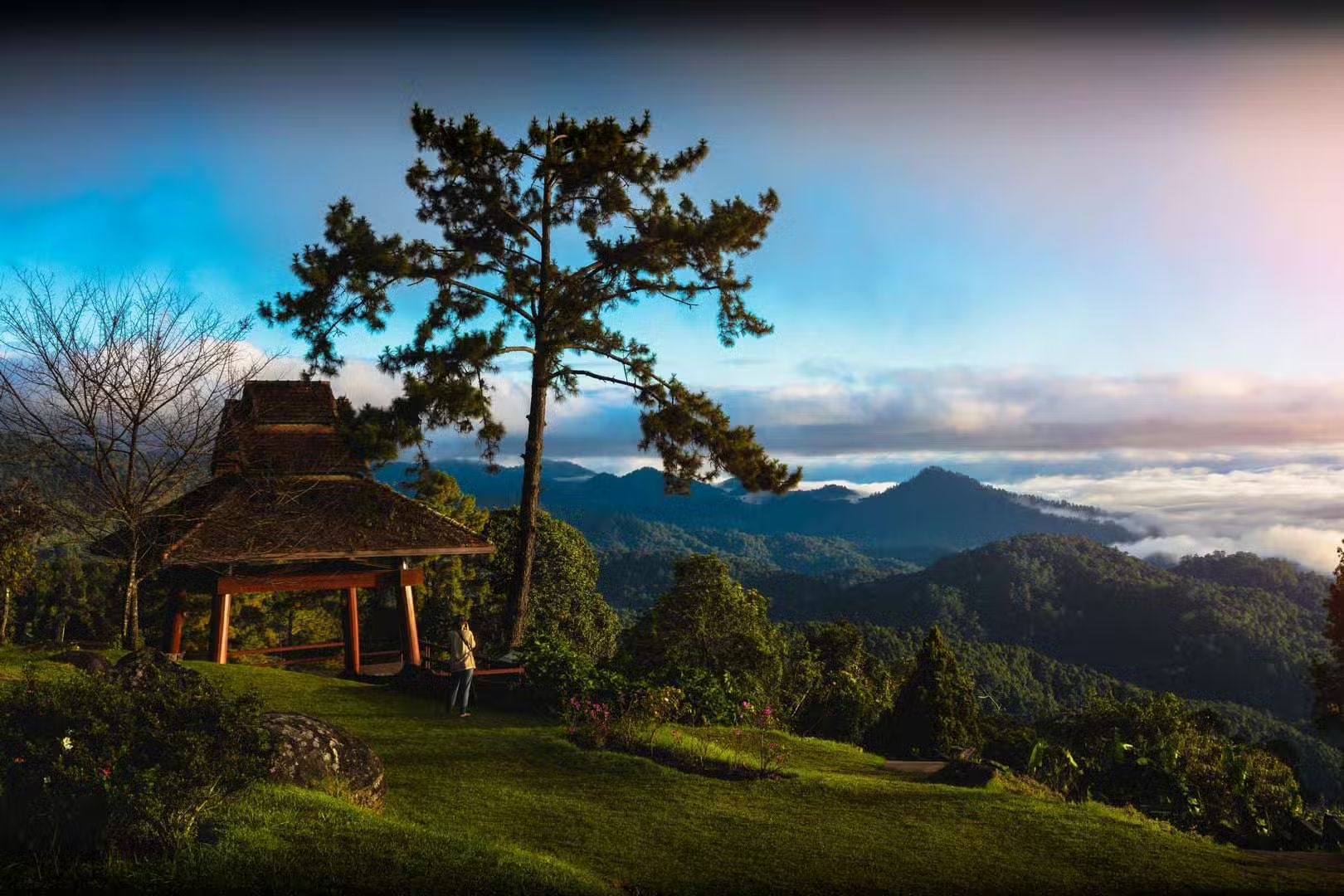
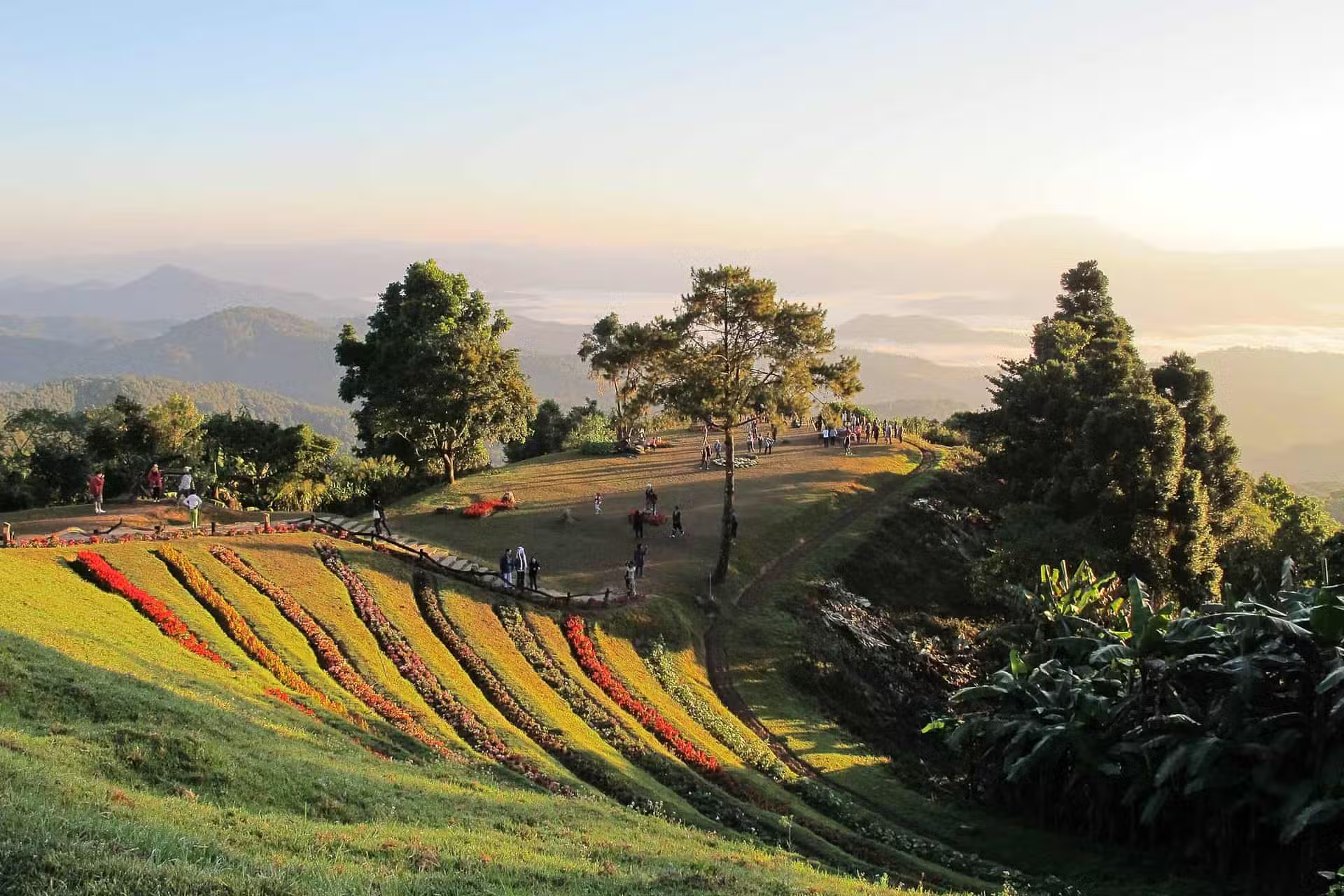
Doi Kiu Lom, also written Kiew Lom or Kio Lom, is the principal viewpoint around the main visitor area. The outlook takes in successive ridgelines and, in clear conditions, Doi Chiang Dao. The combination of broad views, cooler air and the changing morning light is the reason to linger rather than take one photograph and leave.
The sea of mist forms in the valleys below and is most associated with the cooler months. It is a weather-dependent sight, not a daily performance: you may see dense cloud, distant peaks, or a clear valley without the expected blanket of fog. Arriving around sunrise gives you a chance to watch the view change, provided access arrangements allow it.
You do not need to undertake a summit expedition to appreciate the main viewpoint, but its paths and exposed position still require suitable shoes and warm clothing. Confirm the final walking approach, gate arrangements and weather before setting out in darkness.
Doi Chang and More Remote Viewpoints
Doi Chang is a separate, more remote mountain area beyond the principal visitor zone. It offers another perspective on the surrounding ranges, but its approach is more demanding than the ordinary viewpoint access. Ask park staff whether the route is open, which vehicle is suitable and whether a guide or prior permission is needed.
Do not add Doi Chang to a short visit on the assumption that it is another easy roadside lookout. Allow for the return journey and road conditions, especially after rain. Visitors with a standard hired car should agree on the route with the rental company and park before attempting it.
Hot Springs and Forest Outings
Pong Dueat Pa Pae
Pong Dueat, also written Pong Dued, is a hot-spring area on a separate approach from Highway 1095. Steam and very hot spring water provide the main natural spectacle, with a forest setting around the viewing route. Stay on permitted paths and keep clear of the boiling source.
Ask about current bathing facilities and their separate charges before planning a soak. A developed bathing area is different from the natural spring, and an open entrance does not guarantee that every pool, trail or overnight facility is operating. Treat it as its own visit rather than a short walk from Doi Kiu Lom.
Tha Pai and Other Routes
Tha Pai Hot Spring lies on the Pai side of the wider park landscape, with another local entrance. Its forested spring area can fit an itinerary based around Pai, while the main mountain viewpoint requires a different road approach. Check the applicable ticket and bathing arrangements at the specific site.
Waterfall walks, trekking and Mae Taeng River outings require more planning than a viewpoint stop. Choose a particular route with the park or your tour provider, confirming walking demands, guides, transfers and current restrictions. Wildlife is part of the forest environment, but sightings should not be the condition on which you judge the visit.
Camping and Park Accommodation
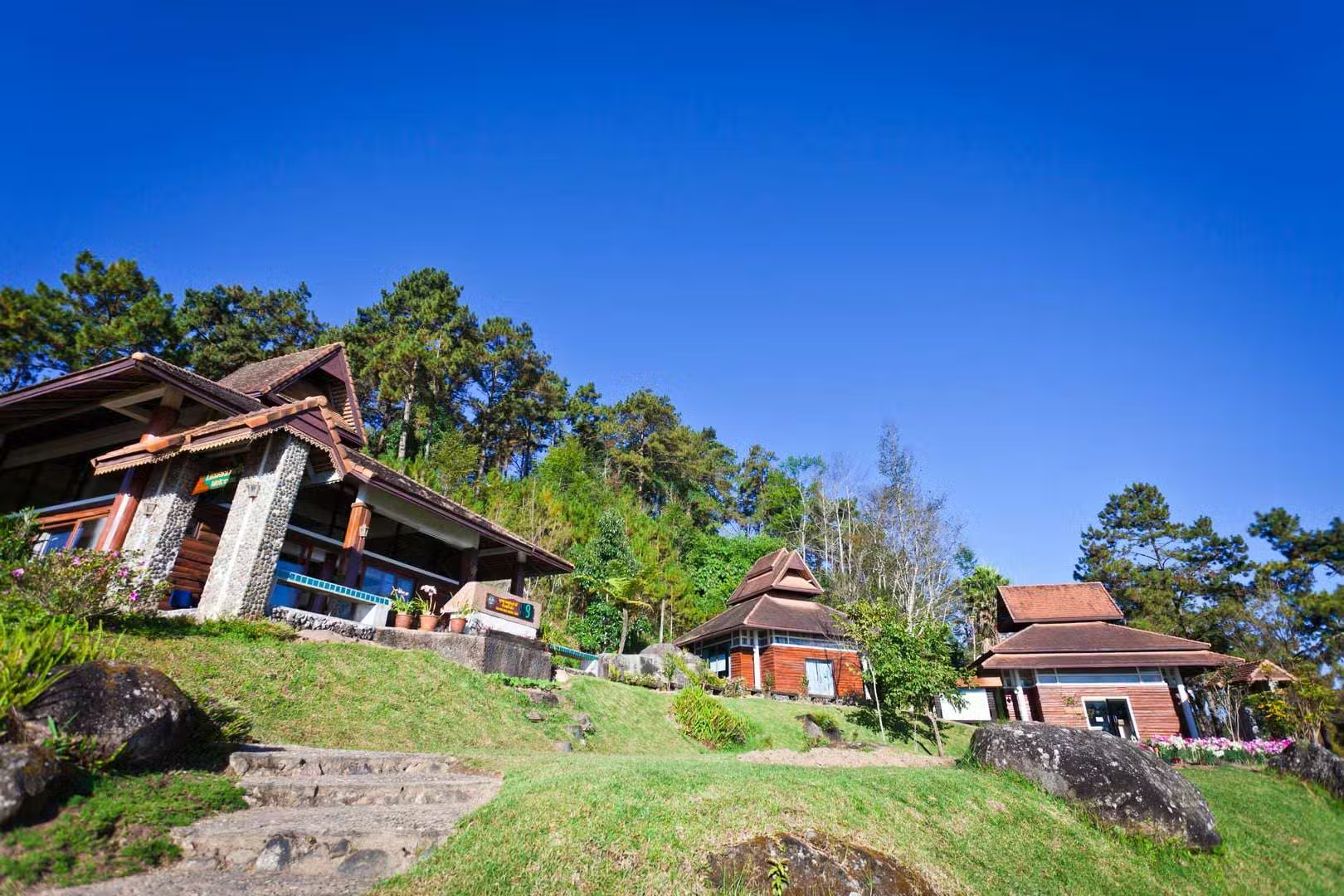
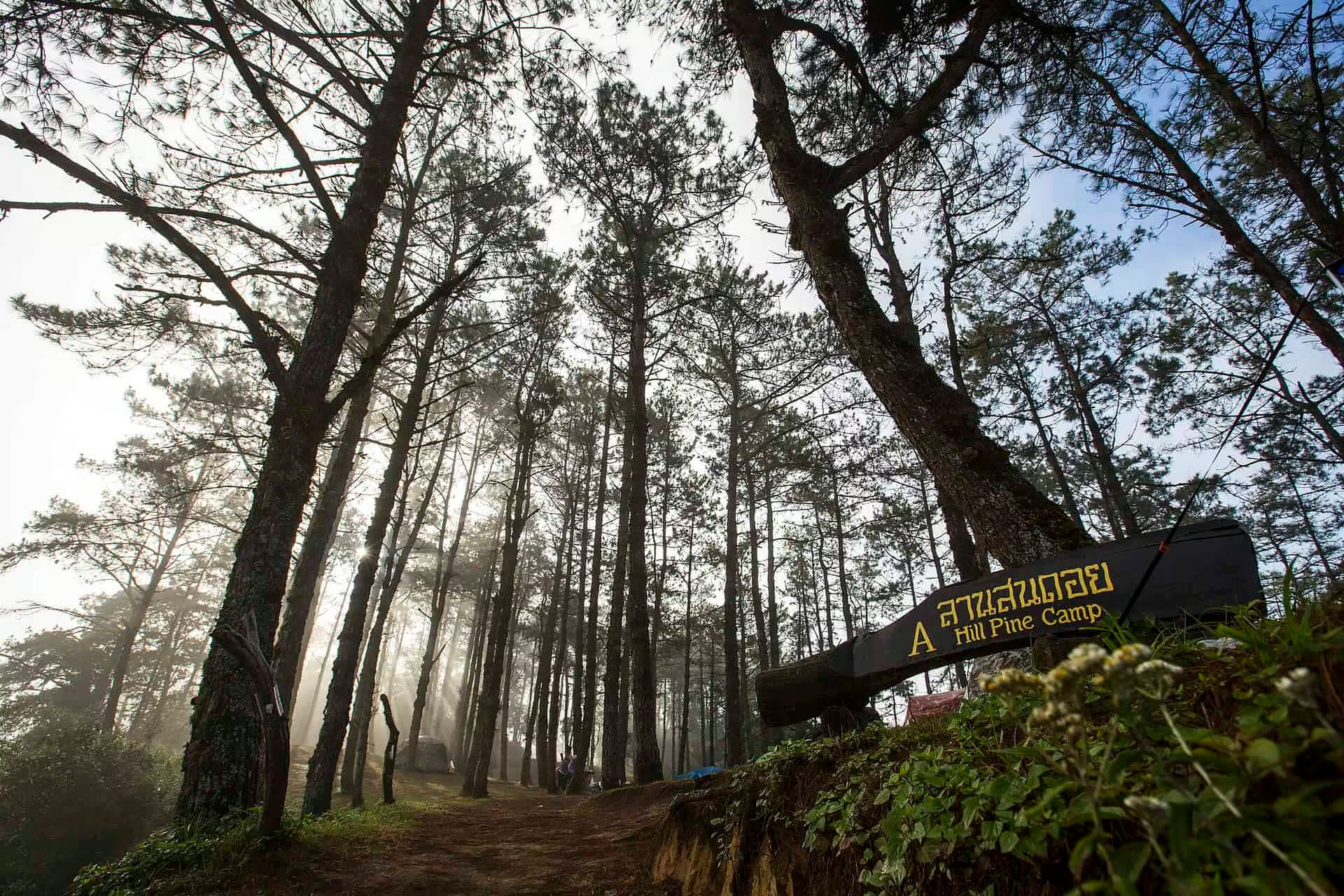
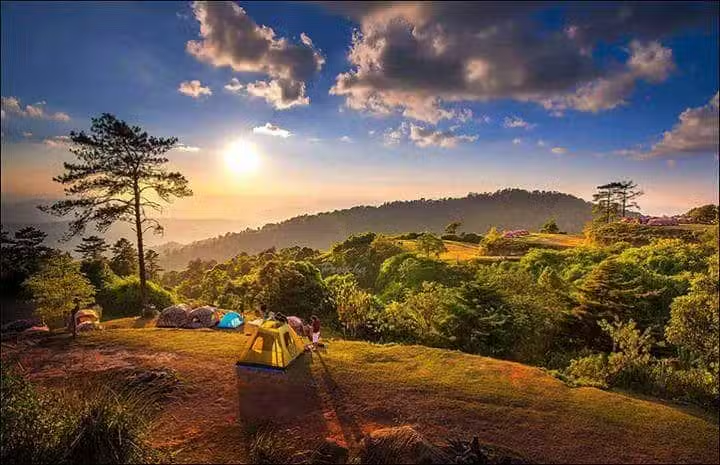
Staying in the main visitor area makes an early viewpoint visit more practical than a pre-dawn drive from Chiang Mai. Enquire about campsites and park bungalows for your date, particularly on weekends and in the cooler season. Your booking should identify the area where you are staying, not just the national park name.
Confirm tent, bedding and equipment hire, toilets, food availability and vehicle access before travelling. Bring the supplies required for your actual booking, with warm layers for the evening and morning. A campsite booking does not necessarily include equipment or meals.
Ask about arrival deadlines, quiet hours and movement around the viewpoint before dawn. Park accommodation and commercial places outside the park have different access arrangements, so establish whether an overnight guest can reach the viewpoint at the time intended.
Fees, Weather and Visit Planning
Ordinary admission is generally 300 baht for foreign adults and 150 baht for foreign children, with Thai rates of 50 and 20 baht. Vehicle charges are additional, commonly 30 baht for a car and 20 baht for a motorcycle. Accommodation, equipment, bathing services and organised activities may cost extra; confirm the current tariff at your chosen entrance.
Plan around the particular visitor area’s entry arrangements. A daytime visit can focus on the viewpoint and nearby public grounds, while sunrise and overnight stays need advance confirmation of gate access. Seasonal closures can affect trails, hot springs or campsites independently of other areas.
The cool season, broadly from late in the year into February, is a popular time for mountain views and overnight stays. Rain can continue into the seasonal transition, while haze may reduce visibility later in the hot season. Check weather and air quality close to your visit rather than assuming a clear panorama throughout a named month.
For a viewpoint visit, allow time to wait for changing light and walk the accessible grounds. A hot-spring stop or longer trail extends the day substantially. Avoid trying to combine every park area with a rushed onward journey to Pai.
Getting to the Main Viewpoint Area
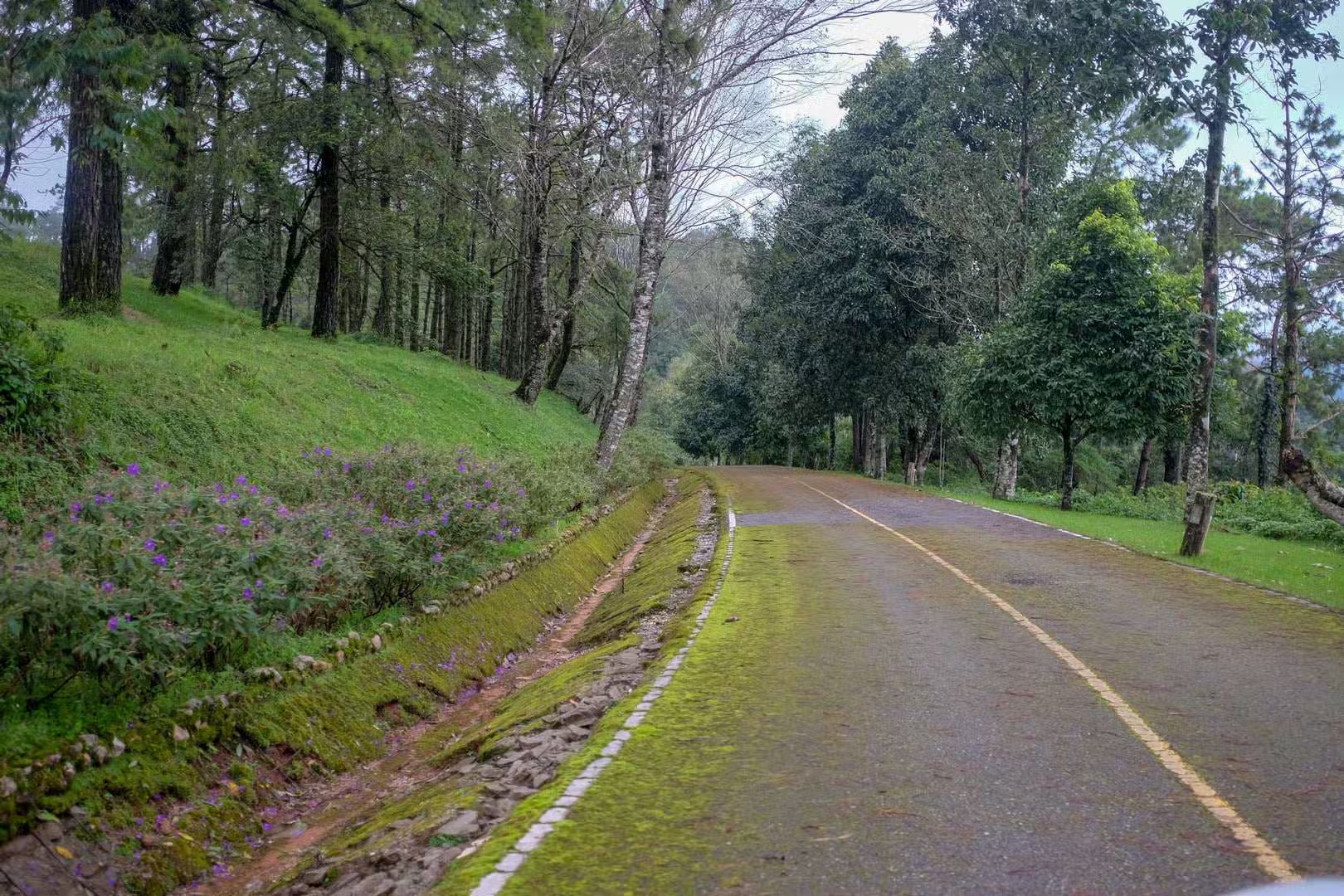
From Chiang Mai, follow Highway 107 north to Mae Malai, then take Highway 1095 towards Pai. The signed turn for the main Huai Nam Dang visitor area is around kilometre 65 to 66 of the Mae Malai-Pai road, followed by an uphill access road to the headquarters and viewpoint zone.
A car with a driver or a suitable private vehicle is practical for the winding journey and final access. Allow around two to three hours from Chiang Mai depending on traffic, weather and stops. A bus travelling towards Pai does not complete the trip to the mountain visitor area, so arrange the final transfer before relying on it.
Pong Dueat uses a different turn, around kilometre 42 of Highway 1095, followed by its own access road. Tha Pai is farther towards Pai. Tell your driver which entrance you need and use the exact accommodation or activity meeting point, particularly for a sunrise booking.
Huai Nam Dang National Park FAQs
What is the park best known for?
Doi Kiu Lom’s morning mountain views and weather-dependent sea of mist are the main draw. The park also includes separate hot-spring areas, campsites and forest outings.
Is the sea of mist guaranteed?
No. Cloud, wind, rainfall and temperature affect the view, and the valley may be clear or obscured. An early visit lets you watch the changing light even when the expected mist does not form.
Can you stay overnight?
Enquire about park bungalows or campsites for your date and chosen area. Confirm equipment, bedding, meals, arrival times and dawn access rather than assuming they are included.
How much is admission?
Usual rates are 300 baht for foreign adults and 150 baht for foreign children, with Thai rates of 50 and 20 baht. Vehicles and optional services are additional; check the current tariff at the entrance.
Are the hot springs beside the viewpoint?
Pong Dueat and Tha Pai have separate road approaches. Choose a specific area and leave time for travel instead of treating every attraction as part of one short walking circuit.
Can you drive to Doi Chang in an ordinary car?
Ask the park about the open route, vehicle requirements and permission first. Its more remote approach should not be treated as an automatic extension of the main viewpoint visit.
How do you get there from Chiang Mai?
Follow Highway 107 to Mae Malai and Highway 1095 towards Pai, using the signed turn around kilometre 65 to 66 for the main visitor area. Arrange the final mountain access and return journey in advance.













Do You Have a Question to Ask?