


















































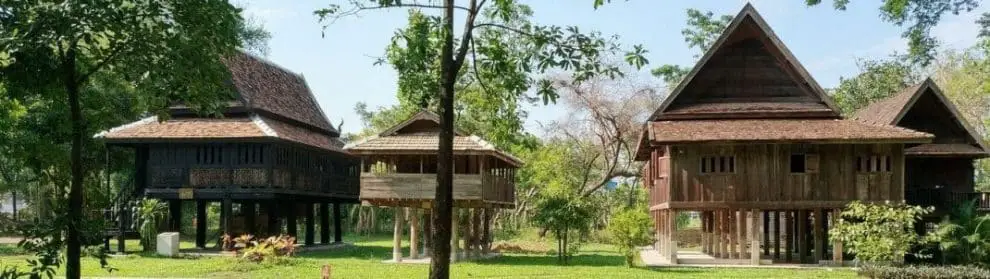
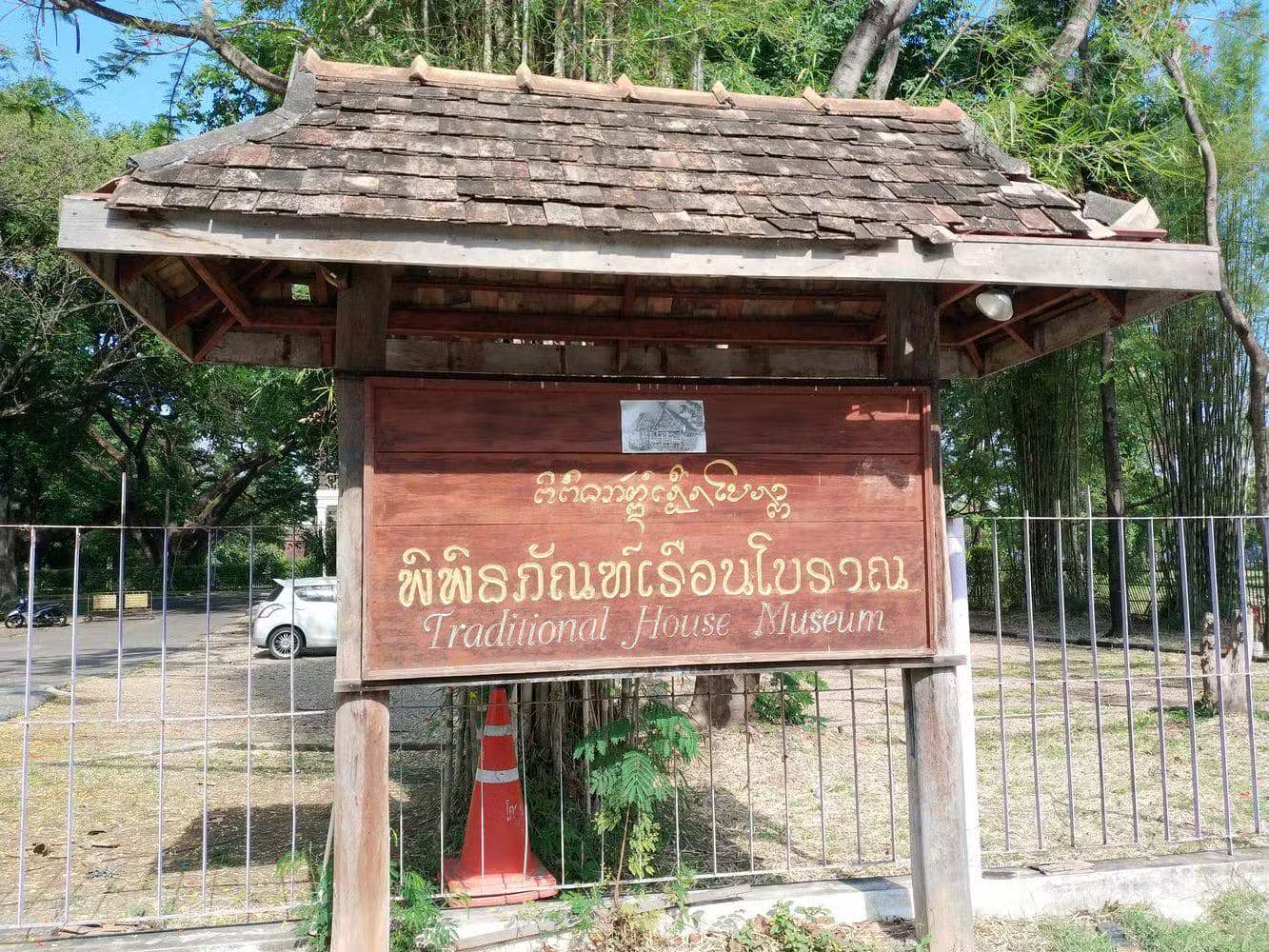
The Lanna Traditional House Museum is an outdoor heritage collection run by Chiang Mai University. In a leafy compound beside Canal Road, historic houses and rice granaries show how northern Thai domestic architecture responded to climate, family life and the practical use of timber and bamboo.
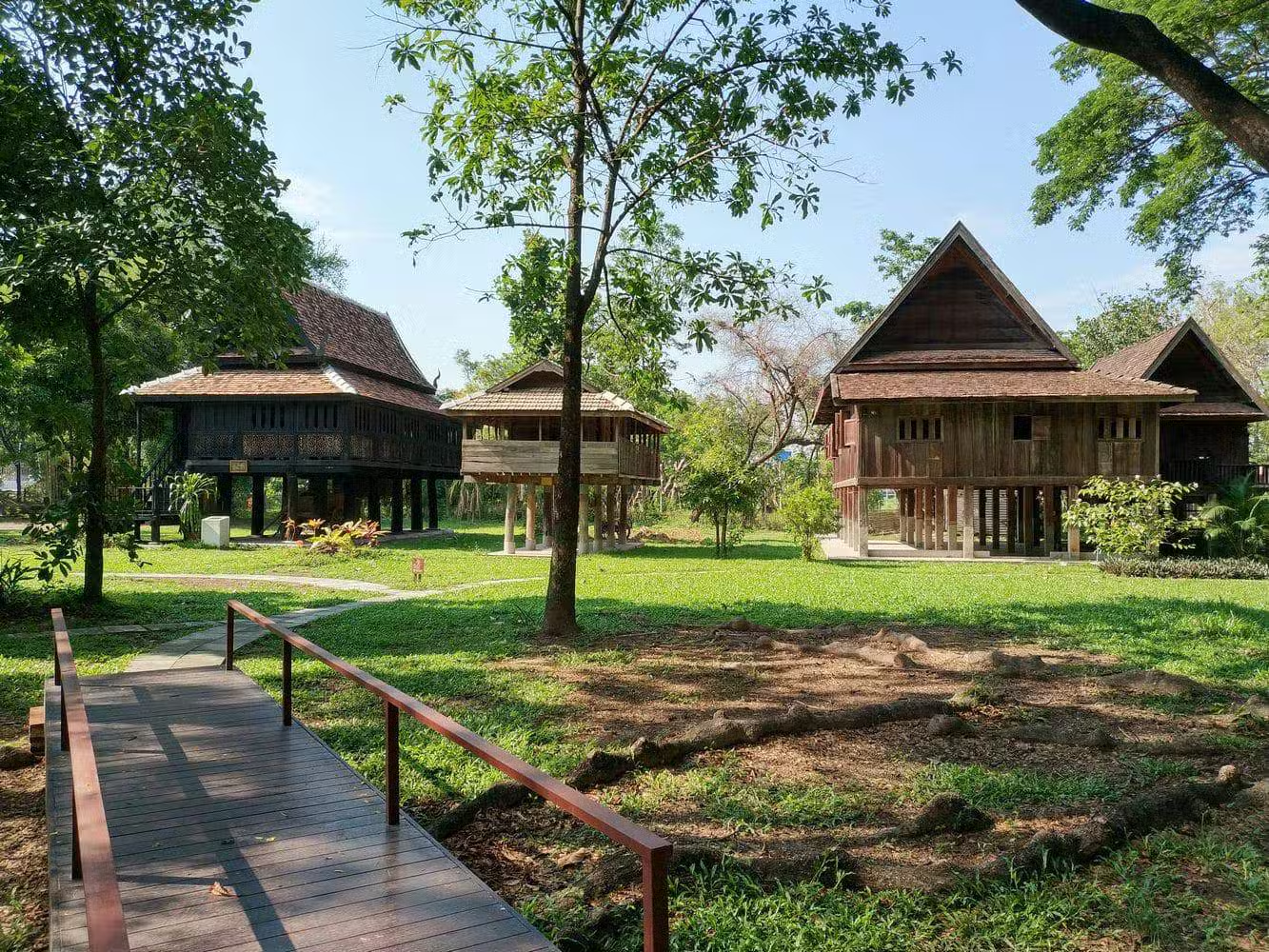
Walking between the buildings lets you compare their roof shapes, raised floors and verandas at close range. The collection brings different house traditions together, making it a useful introduction to everyday Lanna heritage alongside Chiang Mai’s better-known temples.
Comparing northern Thai house styles
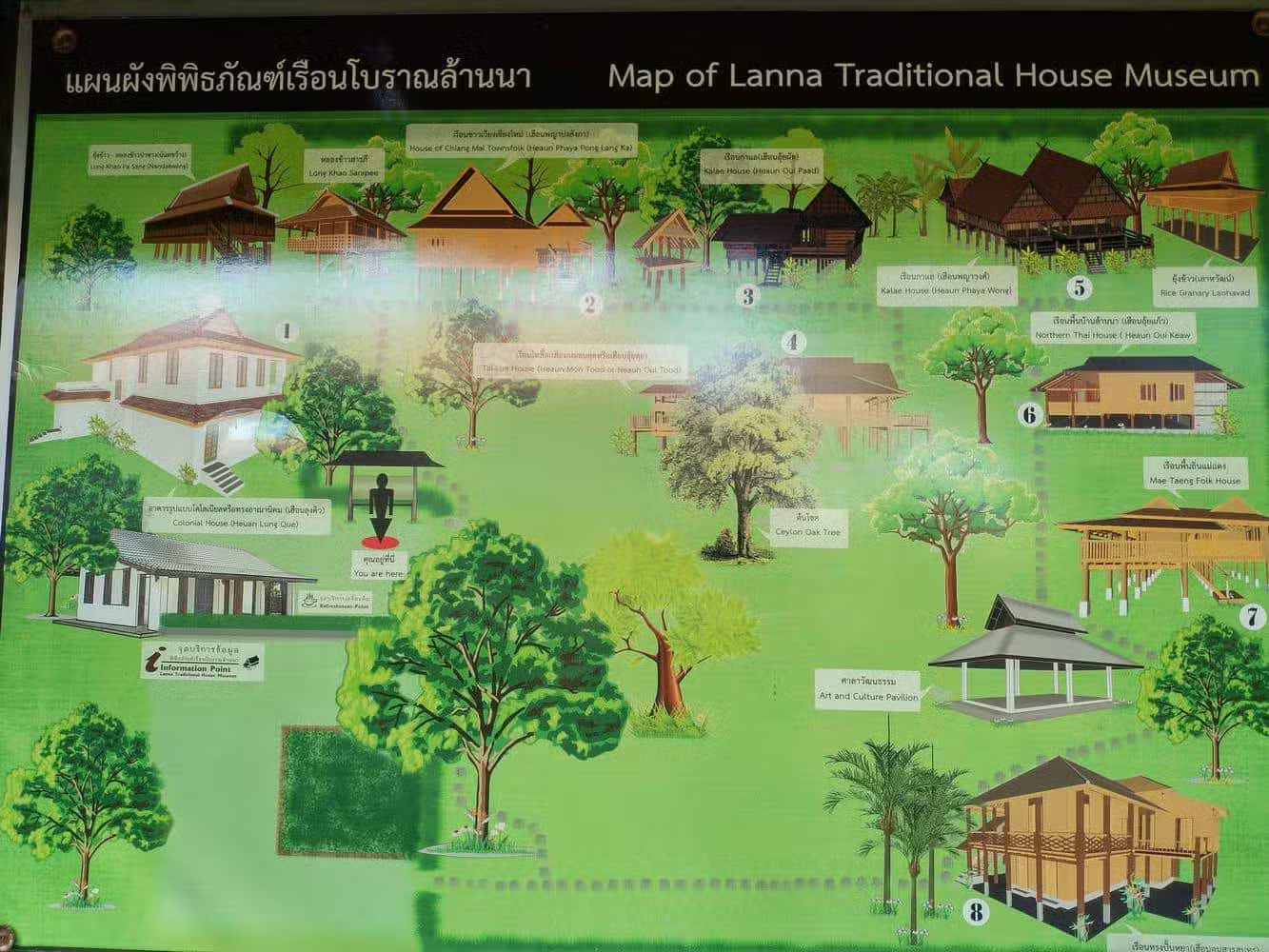
The houses were brought together for preservation and interpretation. Look at each building’s story as well as its appearance: a shared raised-floor form can conceal differences in layout, materials and cultural background.
Kalae House: Heaun Phaya Wong
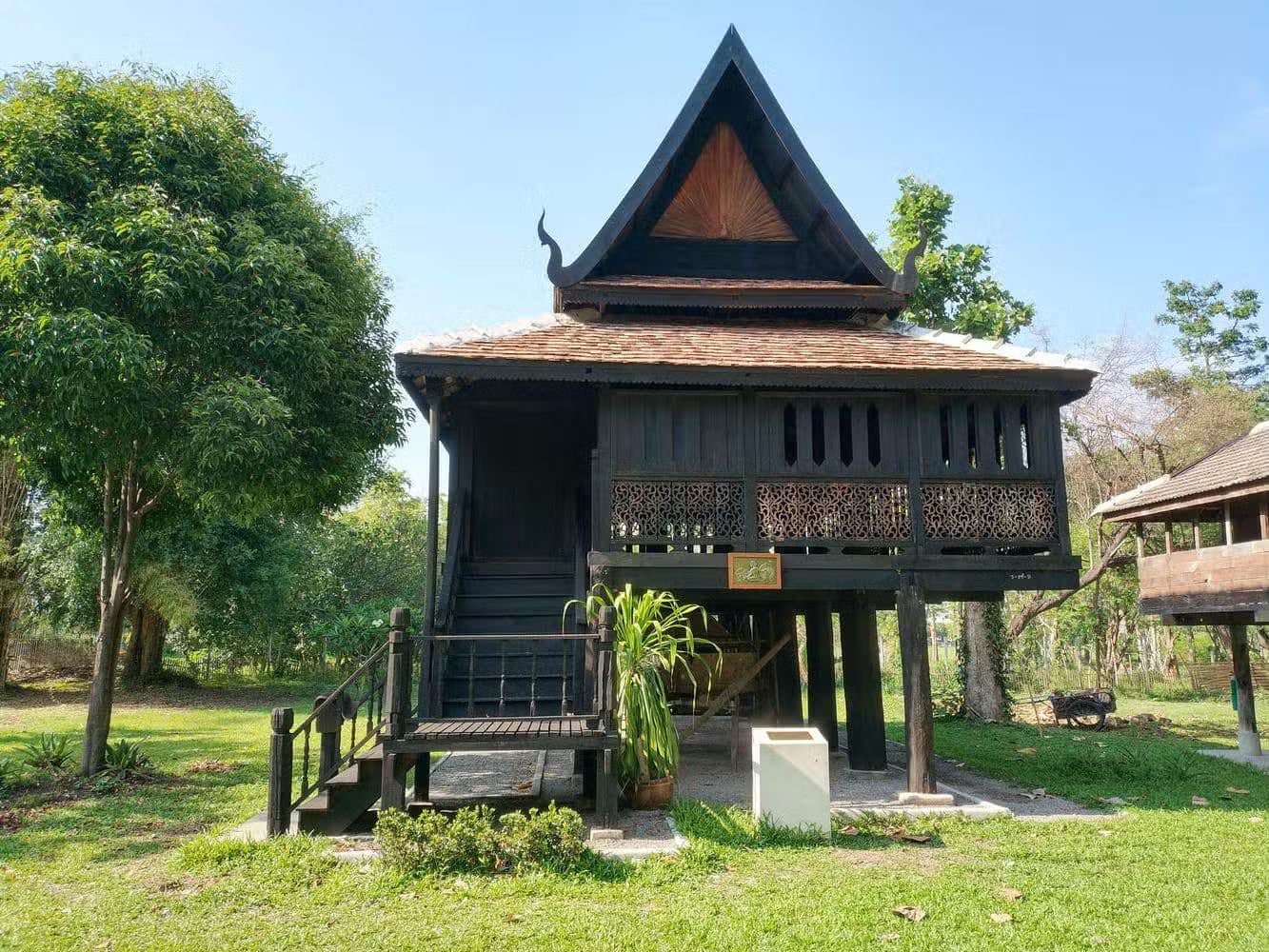
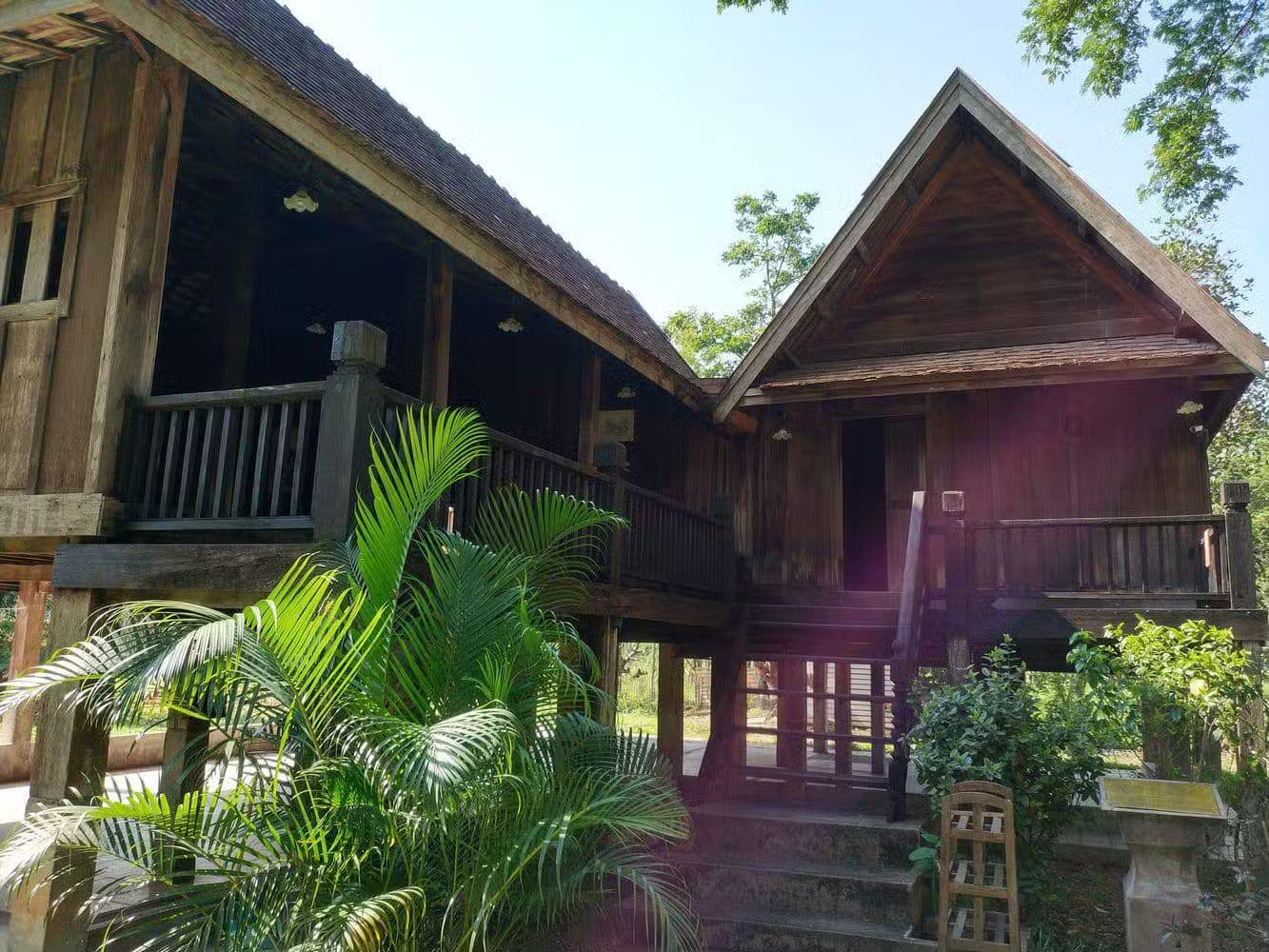
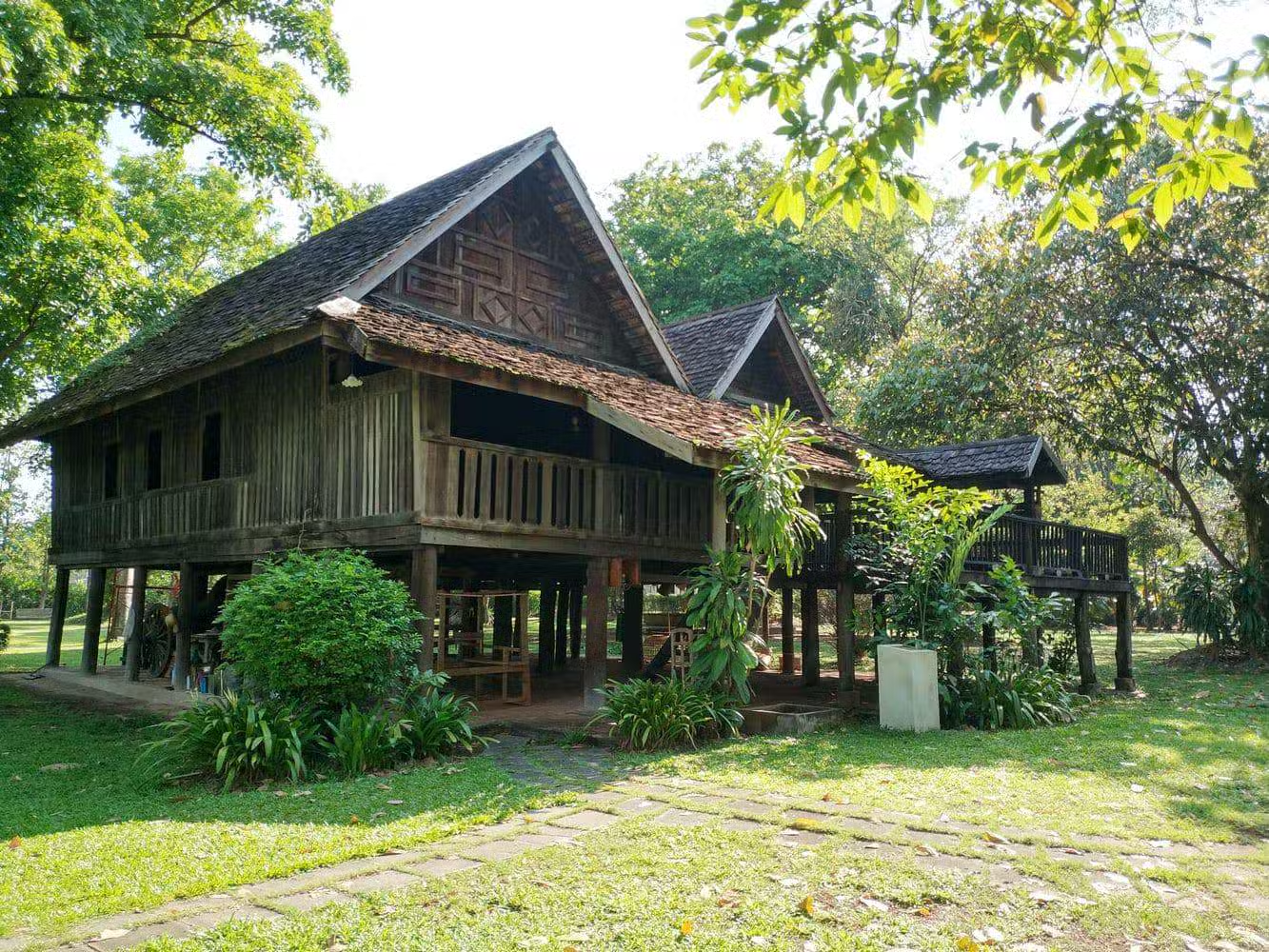
Heaun Phaya Wong illustrates the Kalae tradition, with paired house sections and a raised wooden structure. Its veranda and sheltered circulation areas show how domestic space extends beyond enclosed rooms, while the relationship between living and kitchen areas is part of the design.
Notice the decorative timber details as well as the larger roof form. Its familiar crossed roof decoration sits within a design that combines ventilation, structure and ornament.
Tai Lue House: Heaun Mon Tood
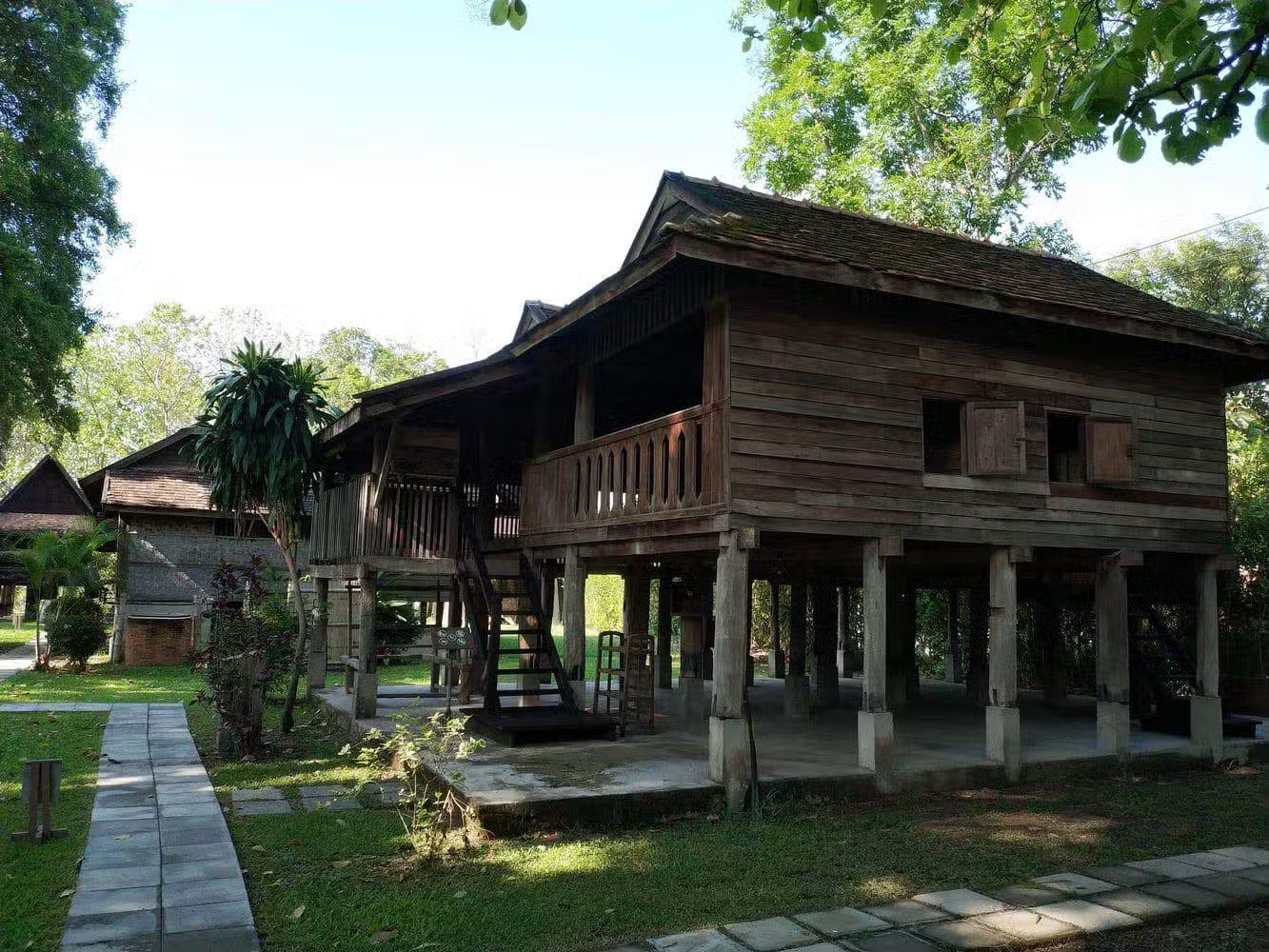
Heaun Mon Tood represents a Tai Lue house associated with Doi Saket. Built in 1917 using reused timber, it combines sleeping and kitchen spaces with a veranda and a raised floor supported by numerous posts.
Compare its layout with the Kalae house as you walk through the areas open to visitors. The position of the veranda and water-storage space helps explain how daily household routines shaped the building, giving the architecture a practical human scale.
Townhouse and bamboo construction
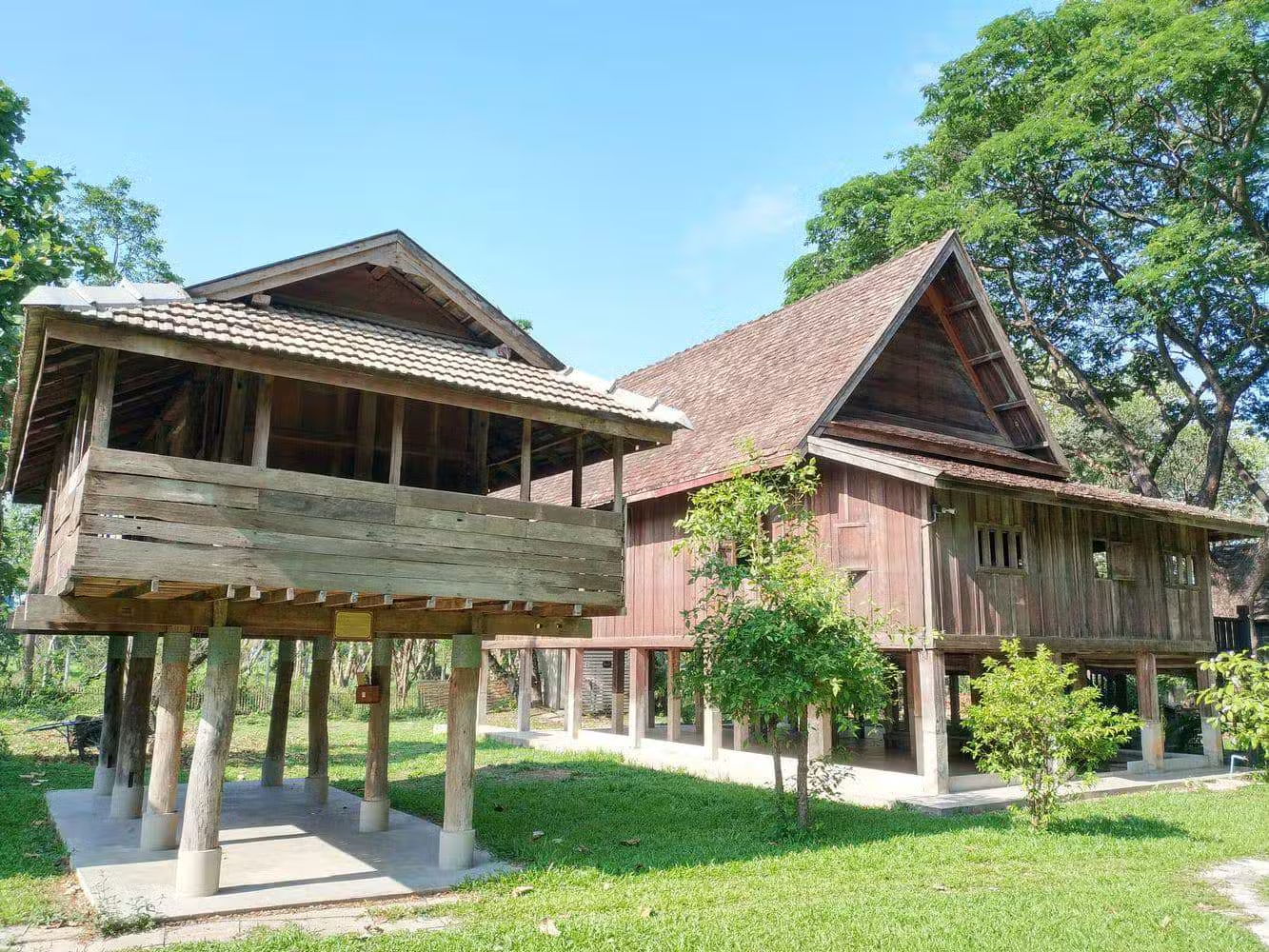
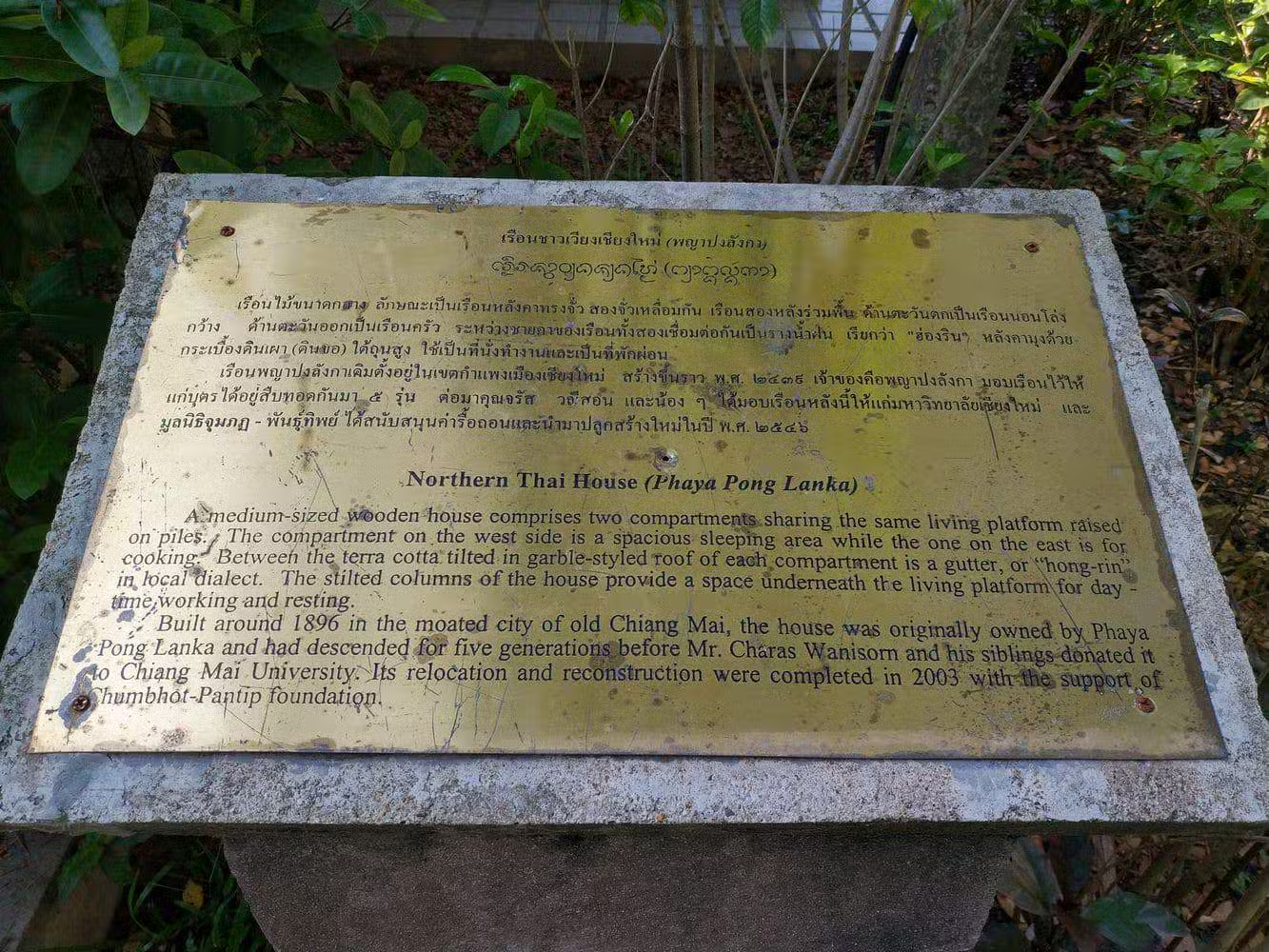
Heaun Phaya Pong Lang Ka represents a Chiang Mai town house dating from 1896. It offers another point of comparison within the collection, showing that the region’s domestic buildings cannot be reduced to one rural house type.
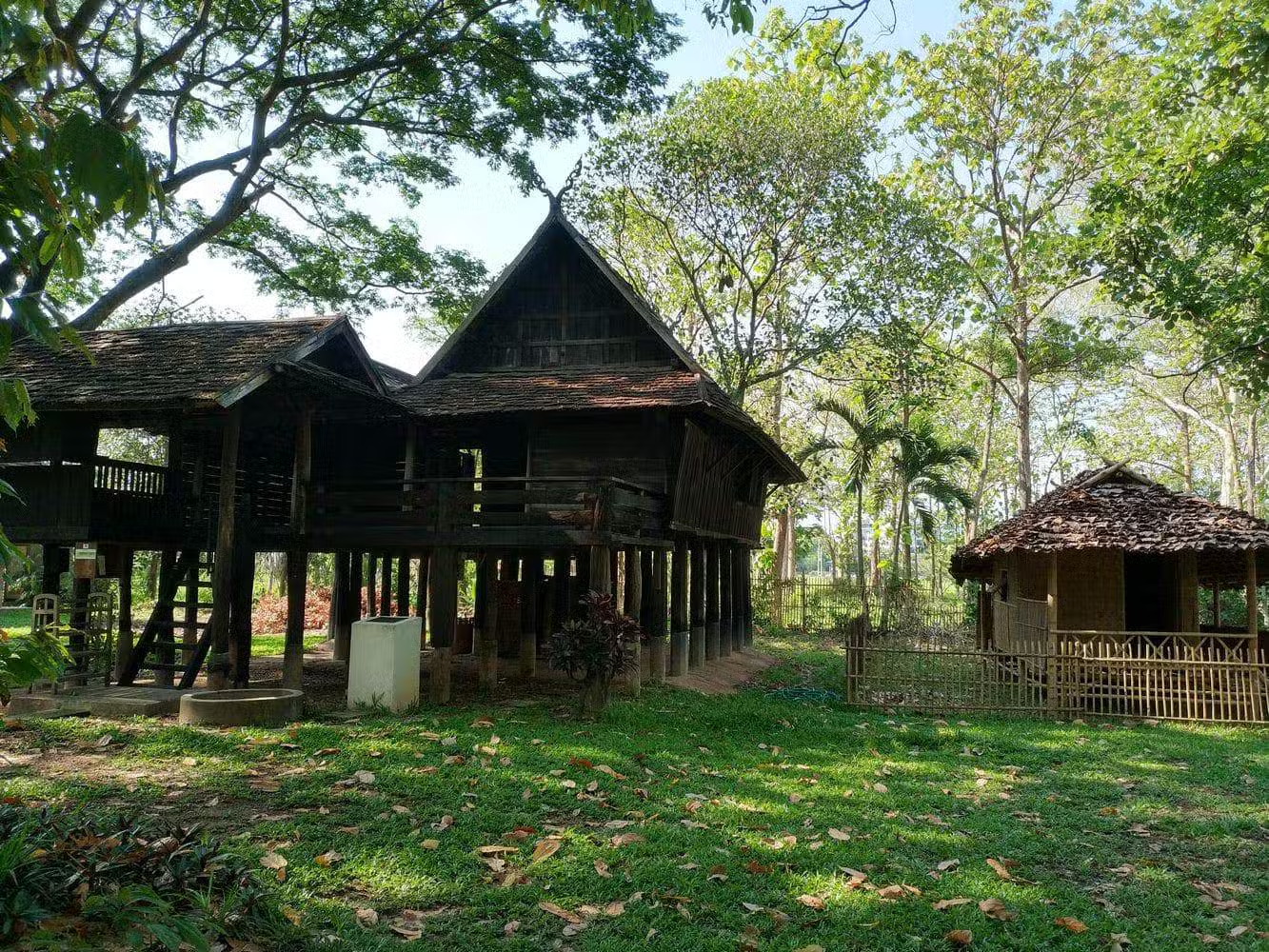
The bamboo, or Kruang Puuk, house uses a much lighter approach to construction. Seeing it alongside substantial timber houses helps you compare materials, joints and the different demands of a building.
Colonial influences, sliding walls and granaries
The collection also includes a colonial-influenced house associated with the Queripel name and a Fah Lai house with sliding wall panels. These broaden the visit beyond the most familiar traditional roof silhouettes, showing how domestic architecture could respond to different influences and ways of using space.
Rice granaries add the agricultural side of household life. Their presence helps connect the houses with food storage and the surrounding rural economy, which can be easy to overlook when focusing only on verandas and carved woodwork.
You do not need to identify every construction technique to enjoy the museum. Choose a few contrasting buildings, then look for differences in roof shape, enclosed rooms, open spaces and the relationship between the raised floor and the ground below.
Walking through the museum
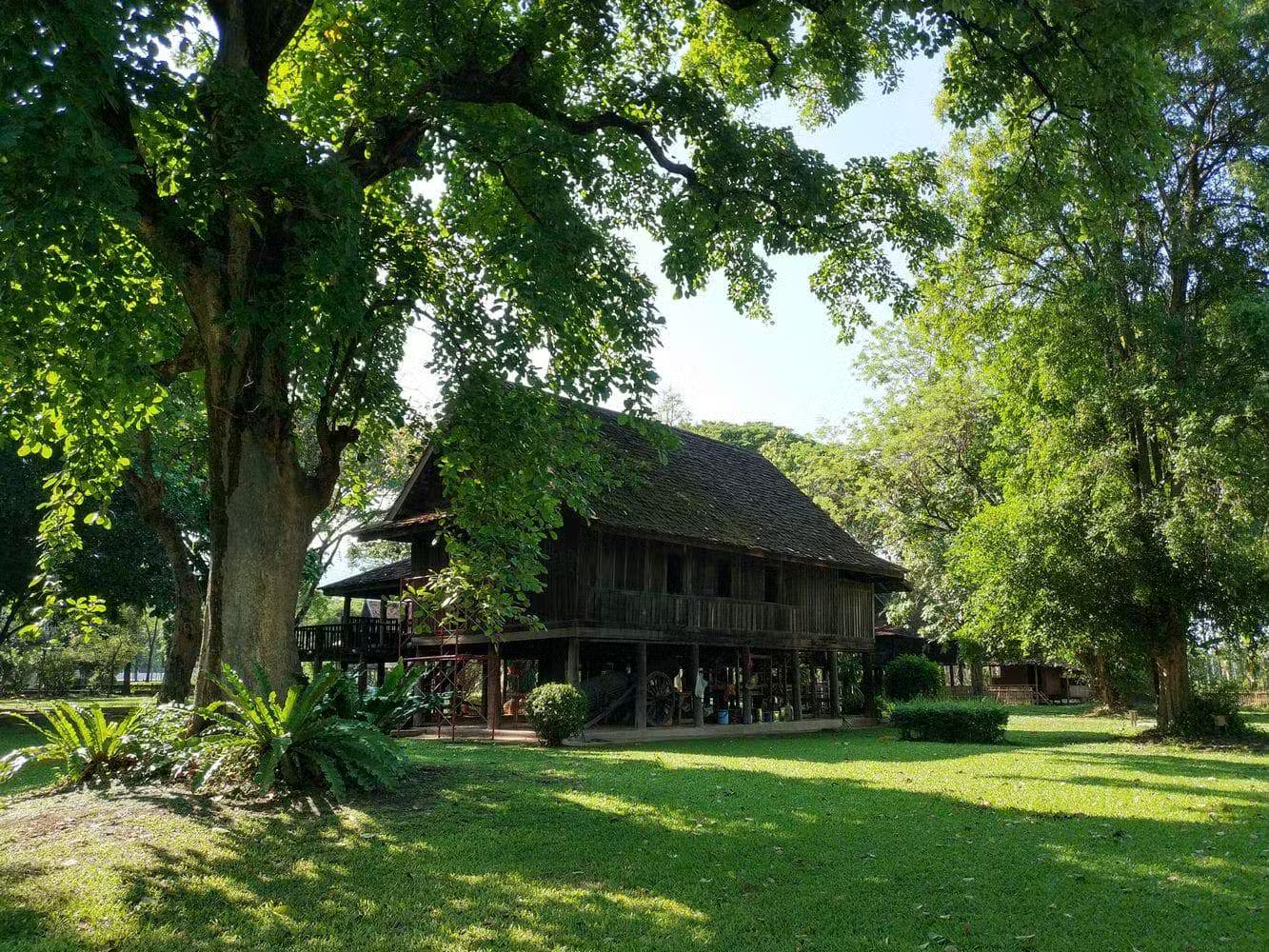
Allow about an hour for a general visit, or longer if you want to read the interpretation and compare several interiors carefully. The buildings are spread through outdoor grounds, so the walking between them is part of the experience and gives you space to appreciate each structure.
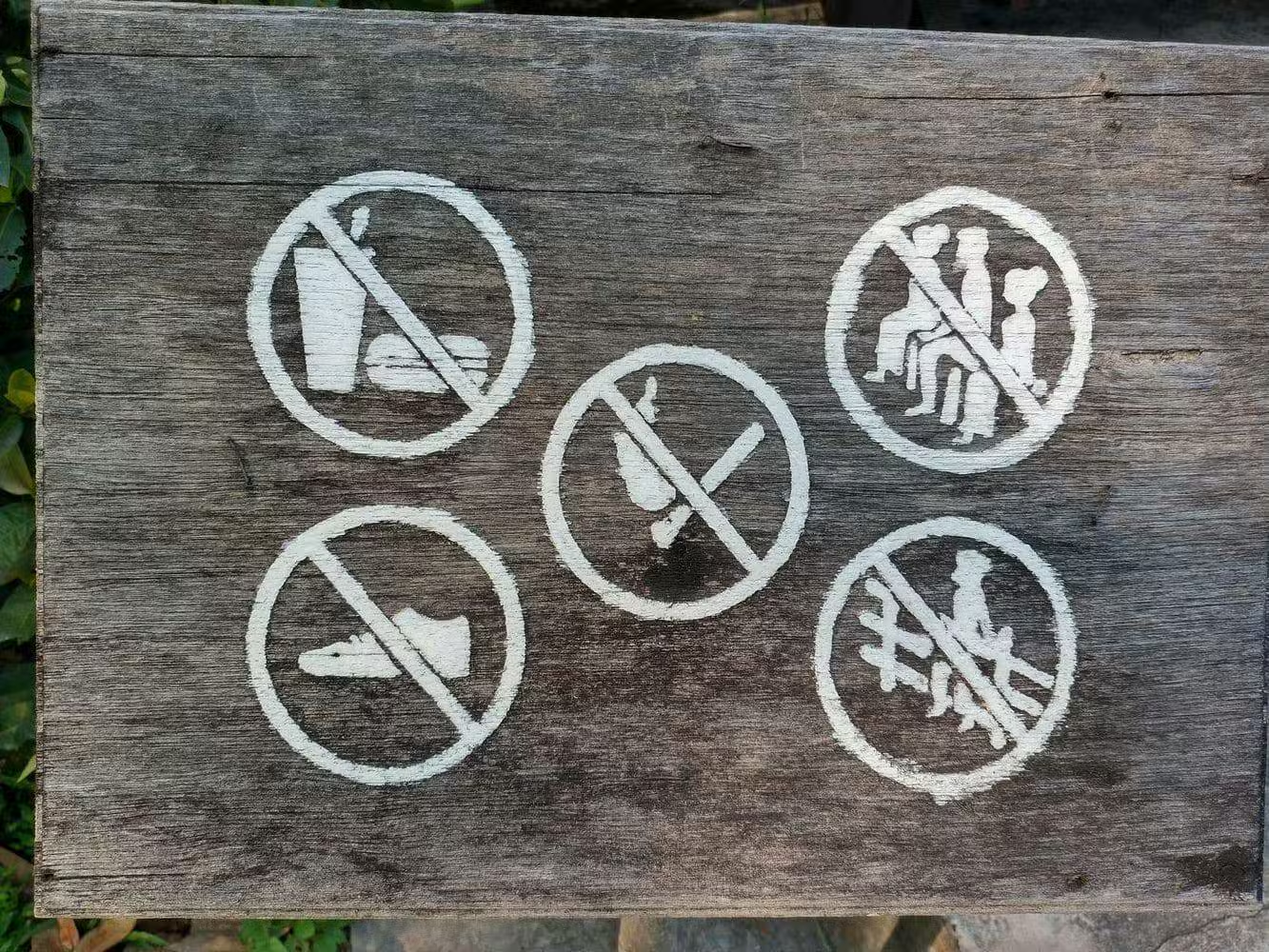
Read signs before going upstairs or entering a room. Some areas may be closed for conservation, and the museum’s preservation role means access to every part of every building should not be assumed.
The grounds offer trees and outdoor spaces, but warm weather and rain still affect the visit. Bring drinking water and suitable footwear, and take care on wooden surfaces or steps when they are wet.
Access and visiting with children
Raised houses can involve stairs, thresholds and narrow sections. Visitors needing step-free access should contact the museum about the current route and buildings they want to see; ground-level views may be easier than entering all house interiors.
Children may enjoy comparing the houses and spotting differences in materials and shapes. Keep them close on stairs and verandas, and explain why historic fittings, walls and furniture should be handled only where the museum permits it.
Opening hours and admission
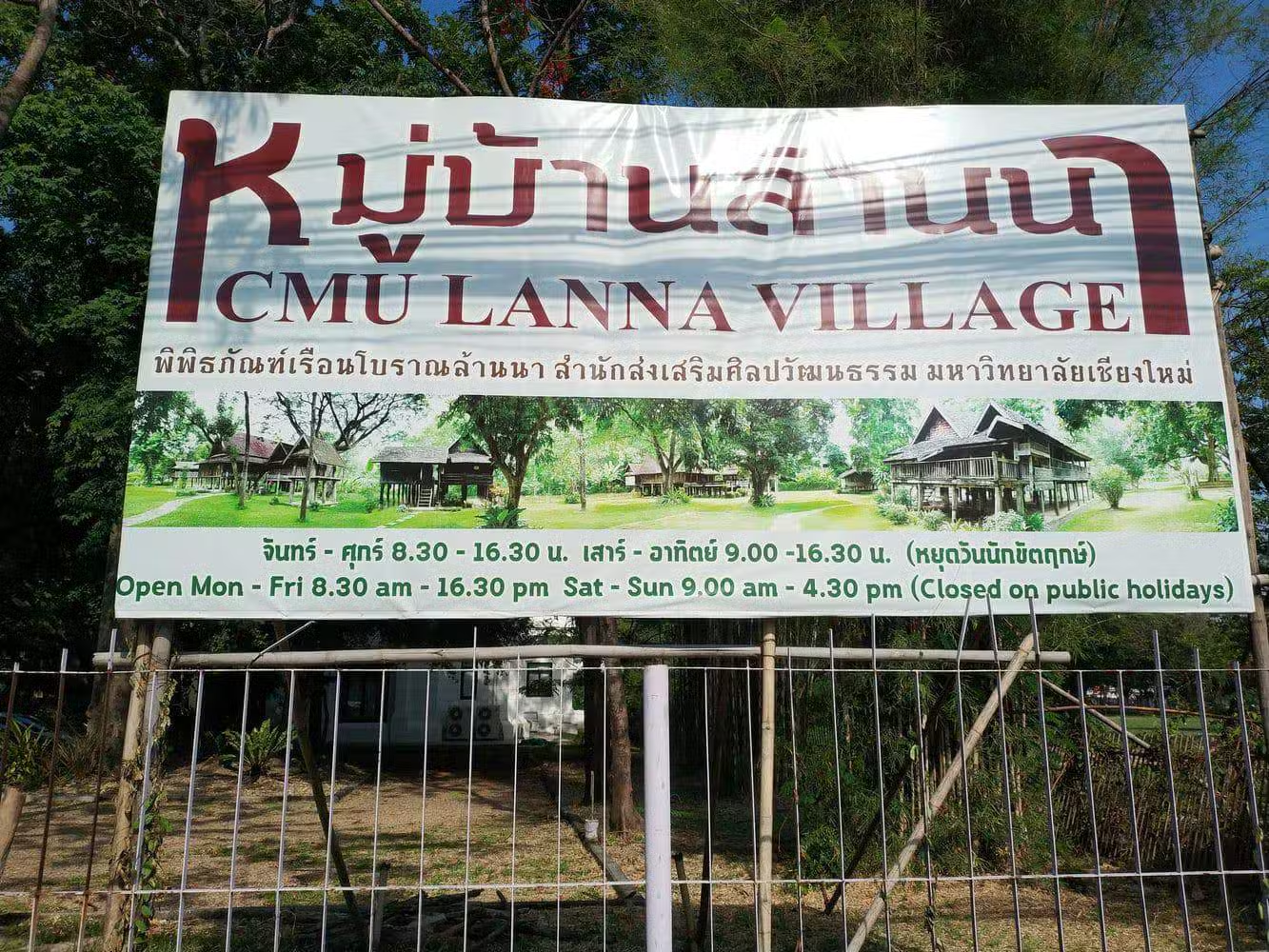
The museum lists Tuesday to Sunday, 8:30am to 4:30pm, with closures on Mondays and public holidays. Check any dated notice before a special trip, particularly if your visit falls near a holiday or a conservation project.
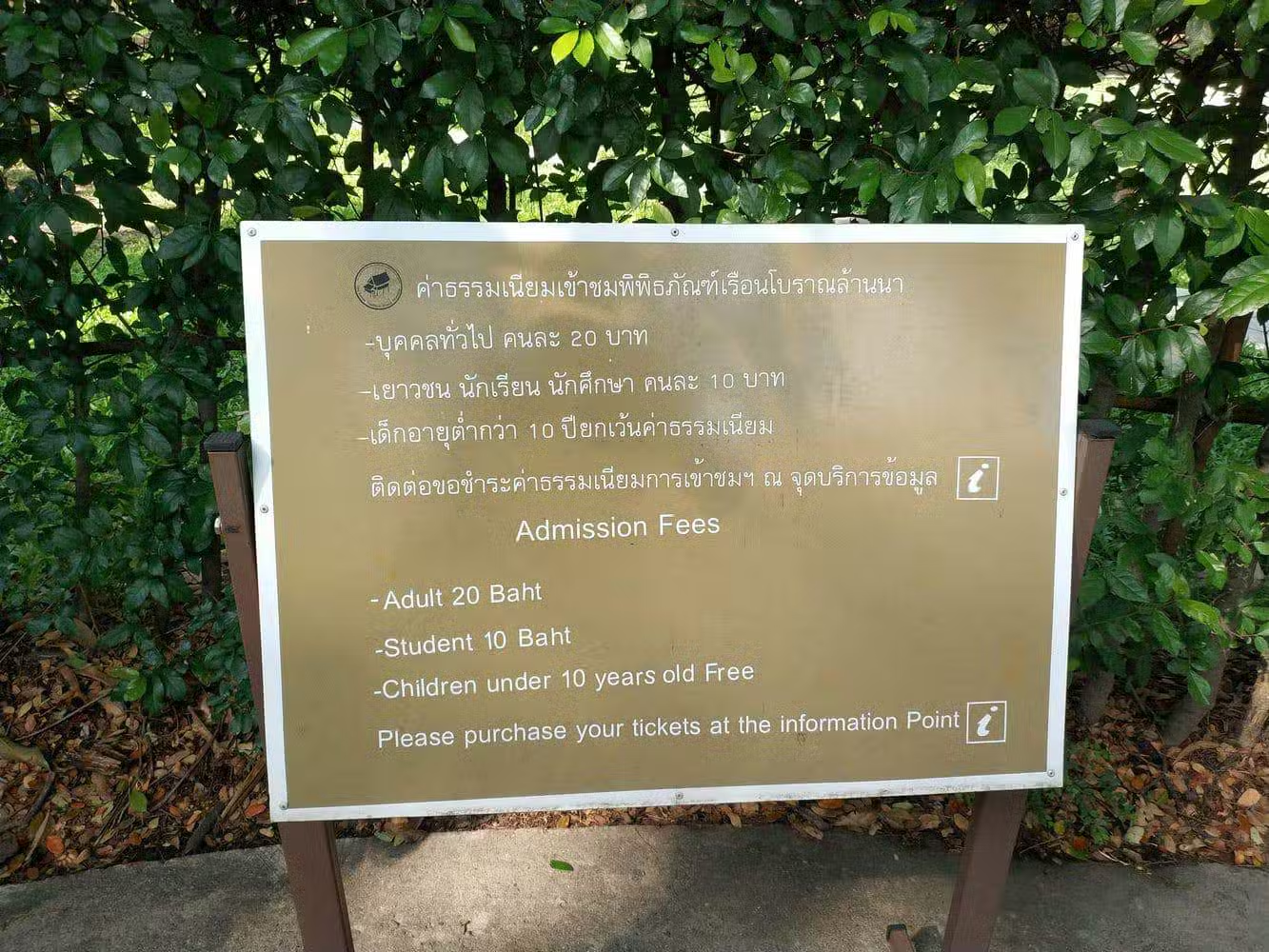
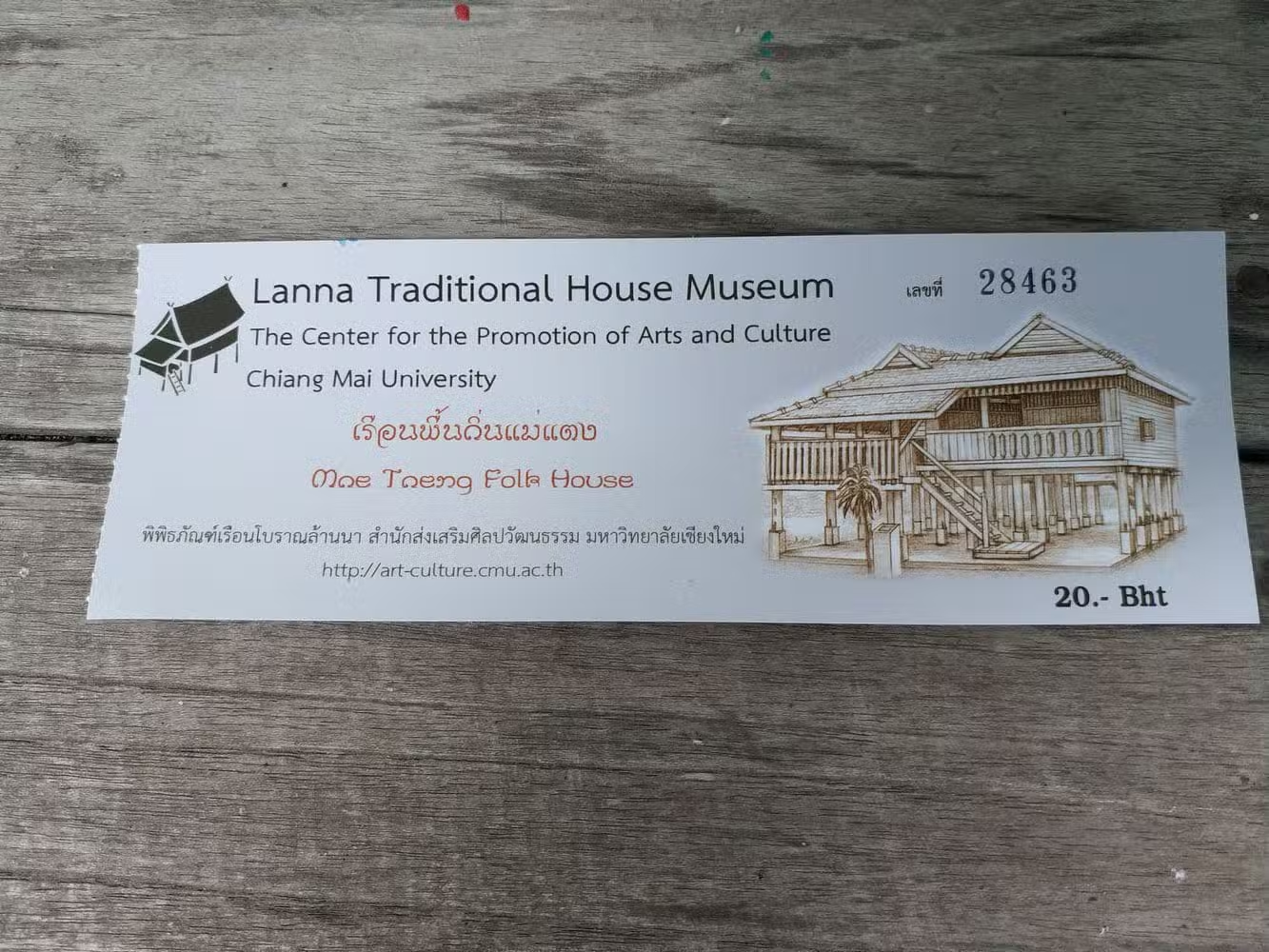
Adult admission is 100 baht. Listed free-entry categories include Chiang Mai University alumni, students, educational personnel, monks and priests, retired people and visitors with disabilities; bring relevant identification and confirm your eligibility at the entrance.
Getting there
The museum is in the university’s art and culture compound beside Chonprathan Road, commonly called Canal Road, in Suthep. Give a taxi or songthaew the museum name and Canal Road location.
The university has several facilities and entrances, so a general campus address can lead to the wrong arrival point. Arrange a drop-off at the museum compound and confirm your return transport if you are combining it with another attraction west of the Old City.
Lanna Traditional House Museum FAQs
Is the museum free?
The published adult ticket is 100 baht. Some visitor categories qualify for free entry, so bring the relevant identification and check eligibility rather than assuming a general free-entry policy.
When is it open?
Normal hours are 8:30am to 4:30pm from Tuesday to Sunday. Mondays and public holidays are listed as closed, and a dated museum notice can affect access on a particular day.
How long does a visit take?
About an hour suits a general walk through the grounds and selected houses. Allow longer if you want to study the interpretation, compare layouts or spend time looking at construction details.
Can you go inside the houses?
Visitors can explore the areas the museum has opened, following signs at each building. Conservation work or local restrictions may close particular rooms or structures, so access is not identical throughout the collection.
Is it suitable for wheelchair users?
Some outdoor views may be accessible, but raised houses have stairs and thresholds. Contact the museum about the current ground-level route and specific buildings before planning a visit that depends on step-free access.
Where should a driver drop you?
Ask for the Lanna Traditional House Museum compound beside Canal Road in Suthep. A general Chiang Mai University drop-off can leave you at a different campus entrance.











Do You Have a Question to Ask?