


















































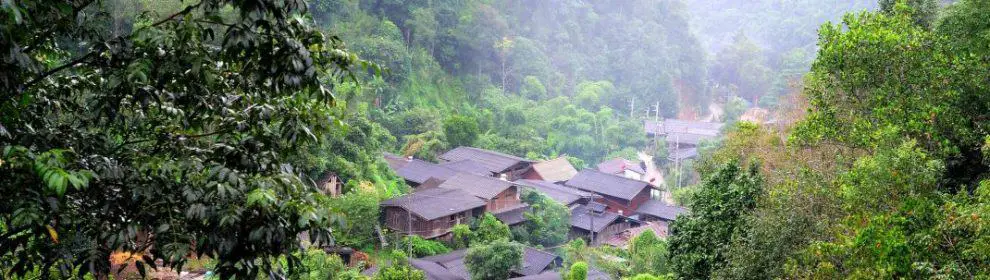
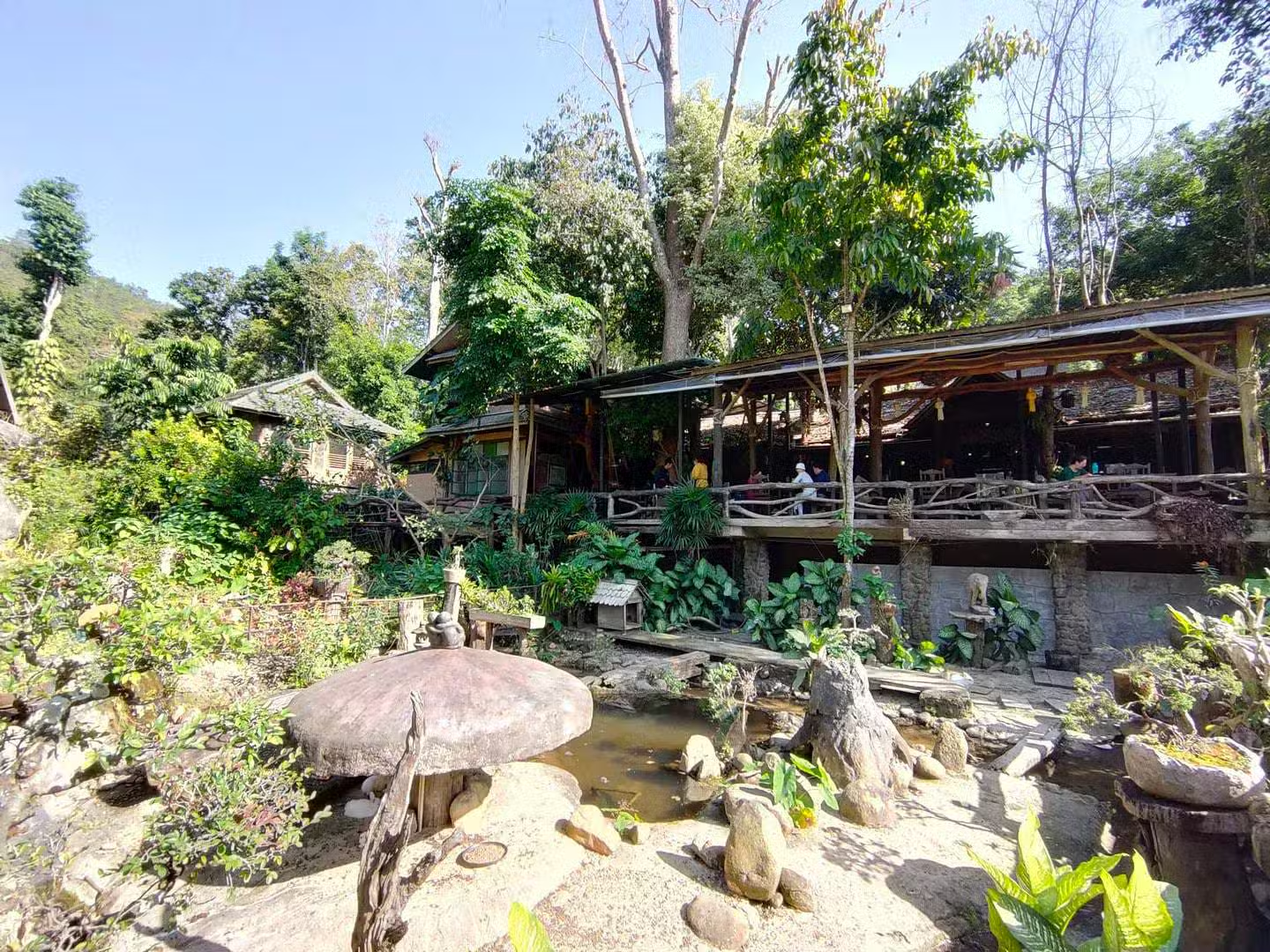
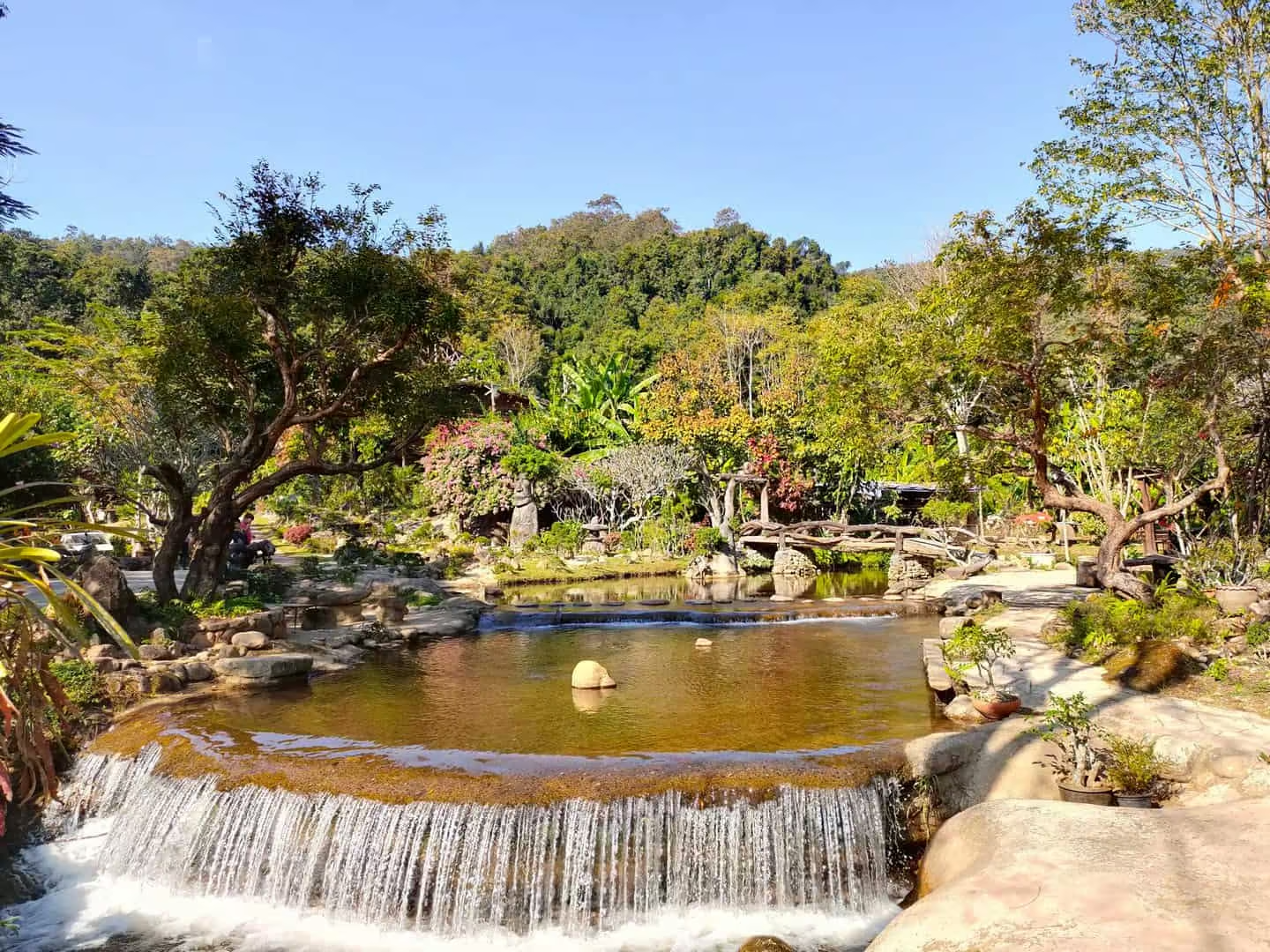
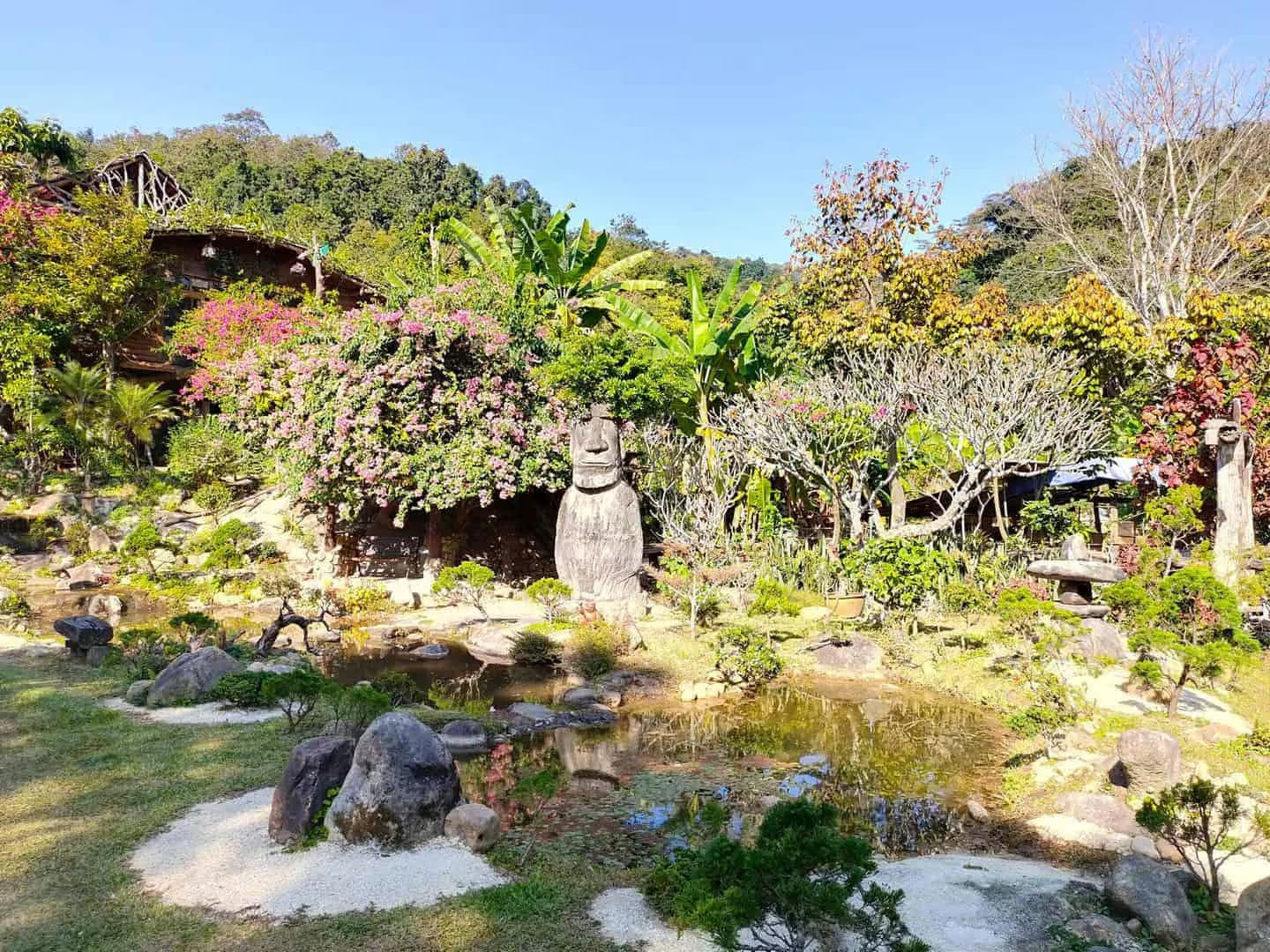
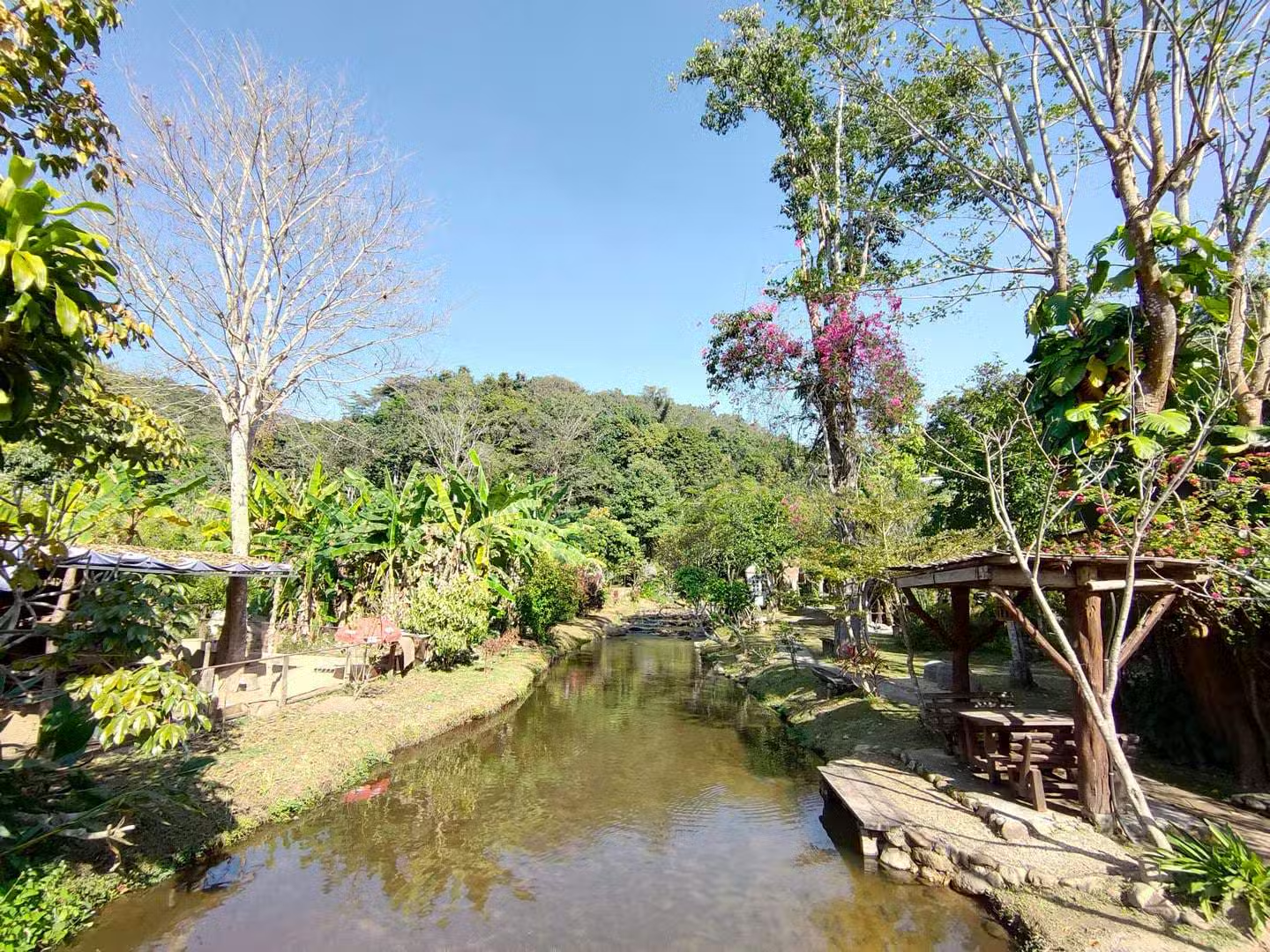
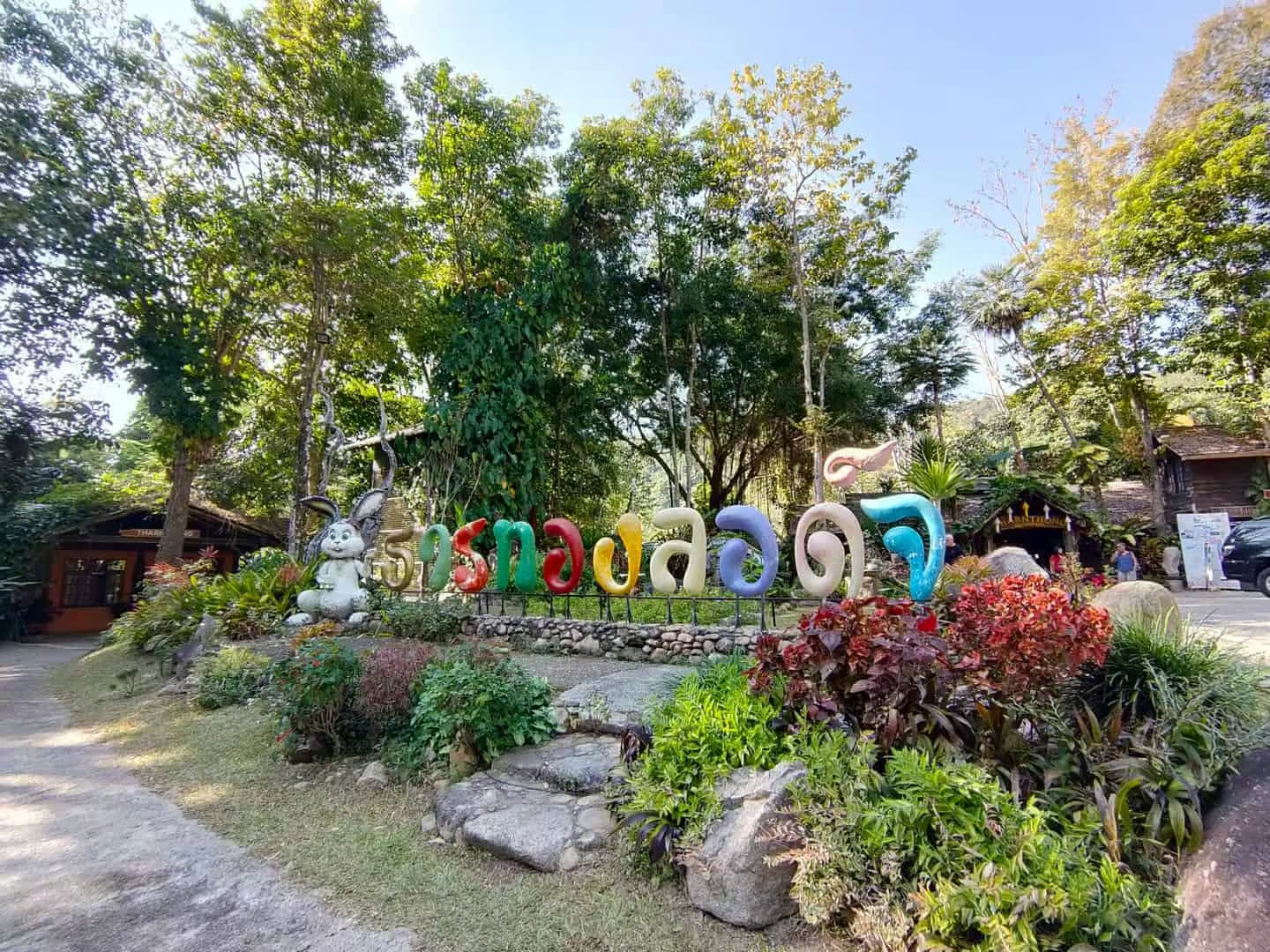
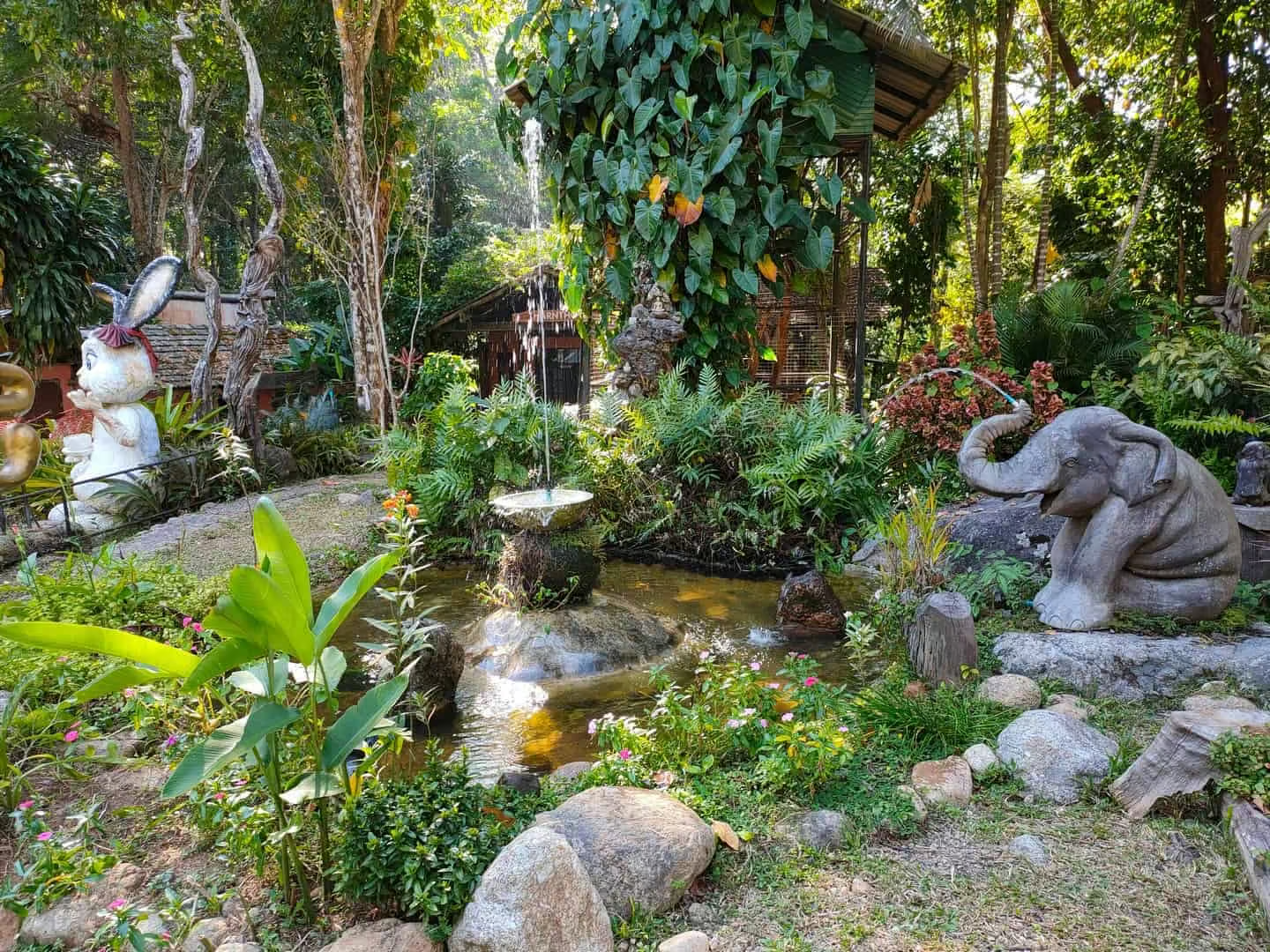
Mae Kampong Village is a mountain community in Mae On, around 50 kilometres east of Chiang Mai. A stream runs through its wooded setting, with houses, cafés and homestays arranged along the narrow road and hillsides. Visitors come for a walk through the village, local food and coffee, and time in a cooler forest environment.
It works as a countryside day trip or an overnight stay, but the experience changes with your pace. A café-and-village visit needs less preparation than a waterfall walk or a guided trip into the surrounding hills. Leave time for the winding journey and remember that this is a lived-in community as well as a popular visitor destination.
Walking Through the Streamside Village
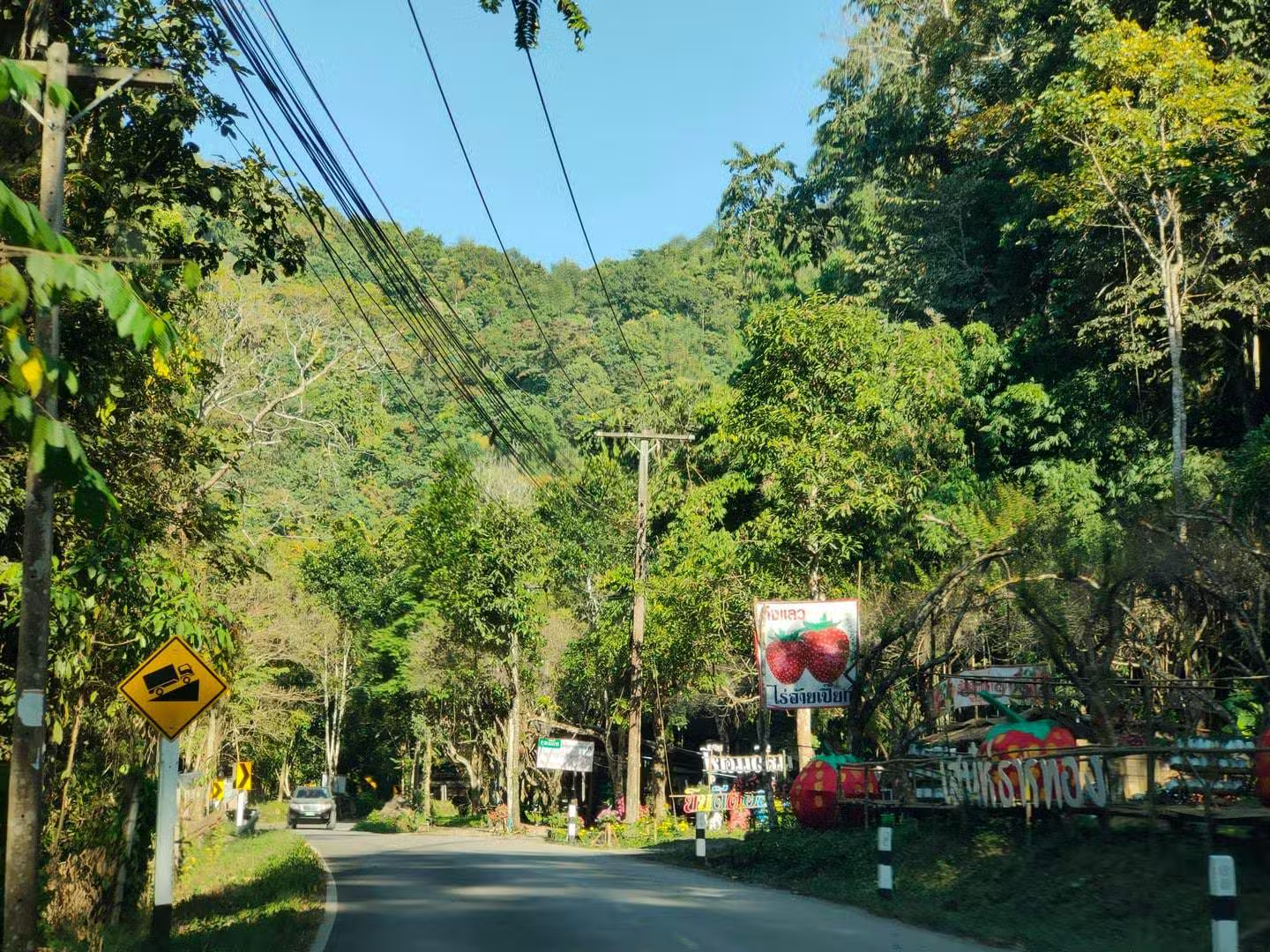
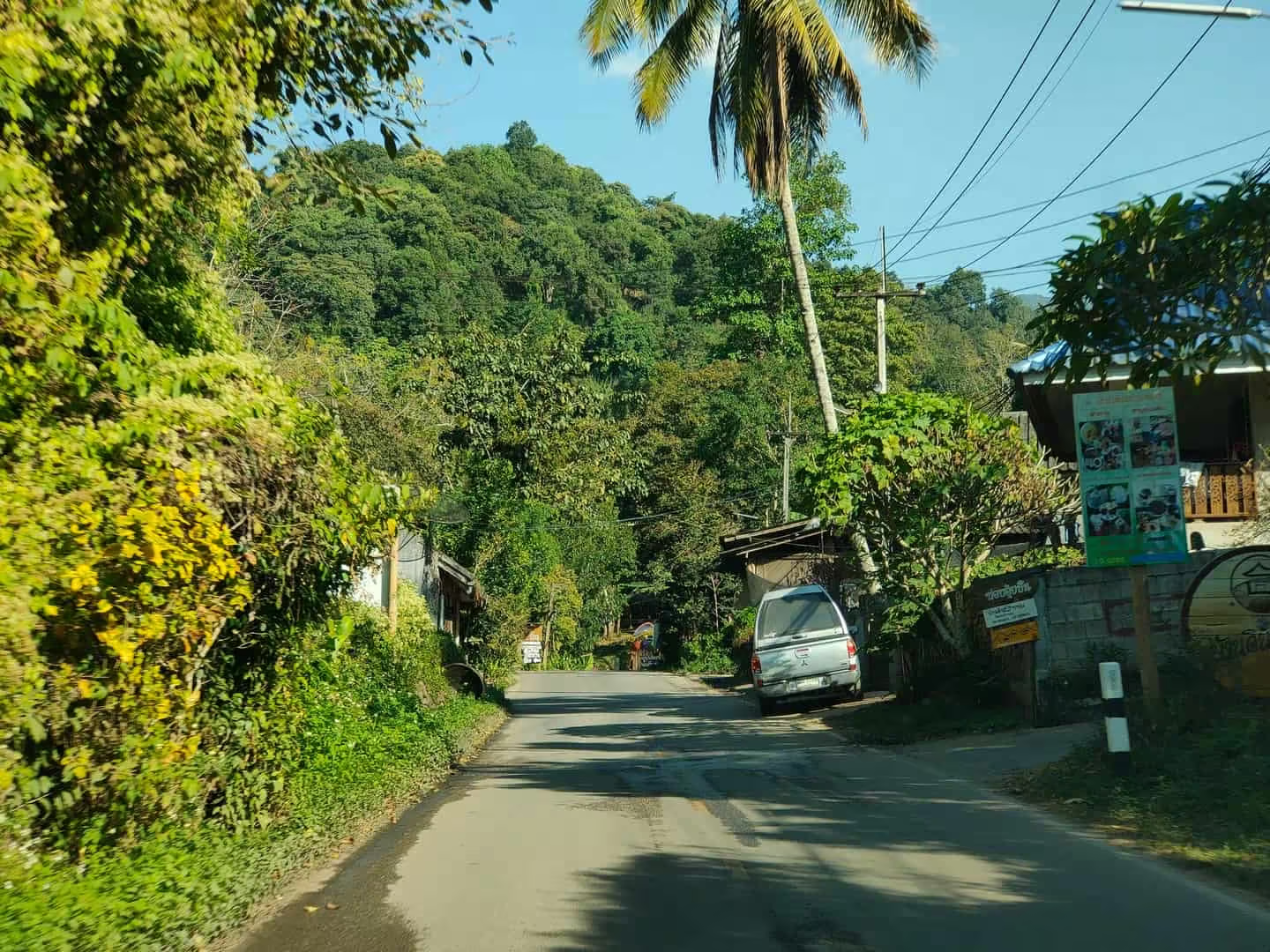
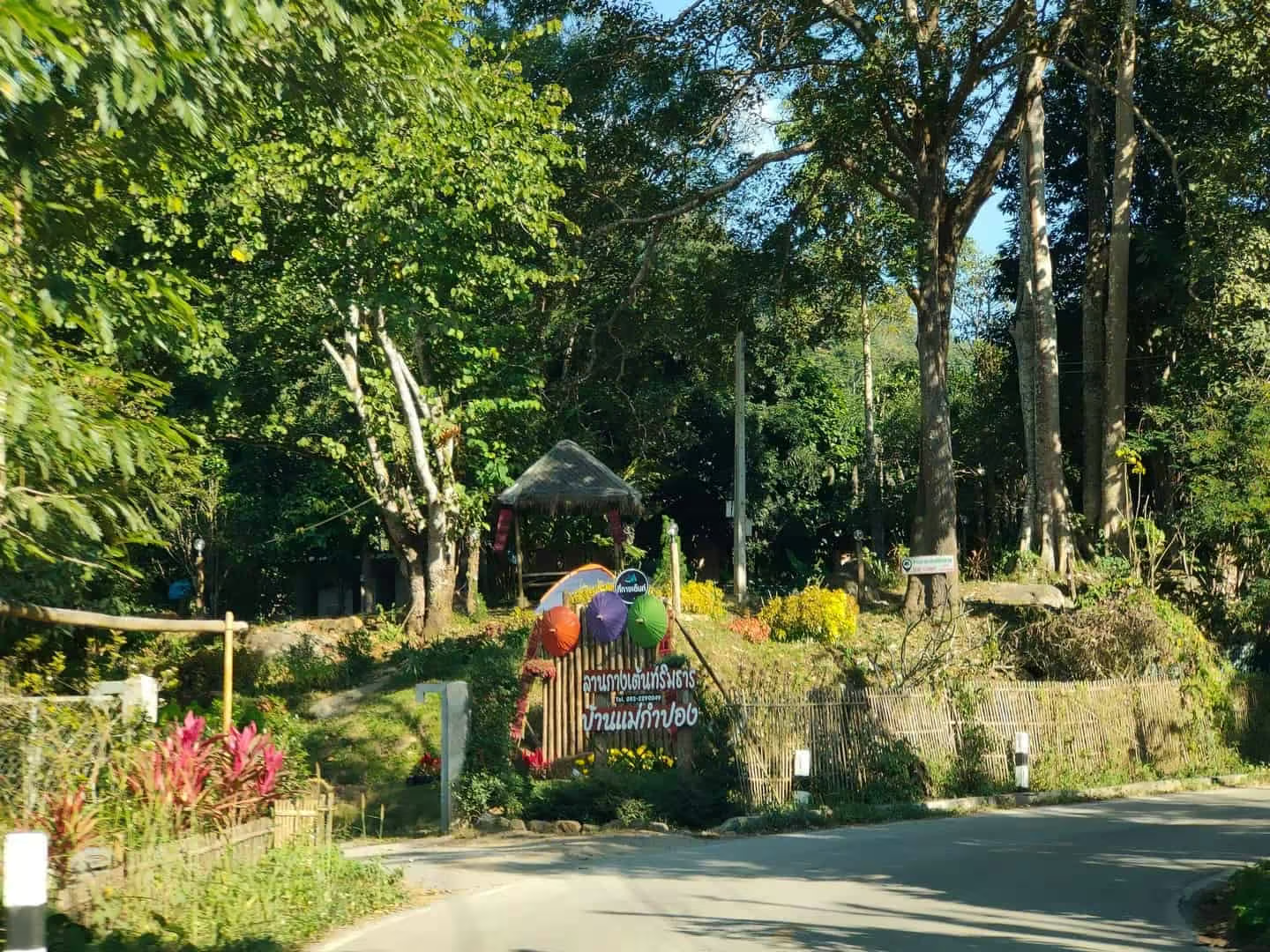
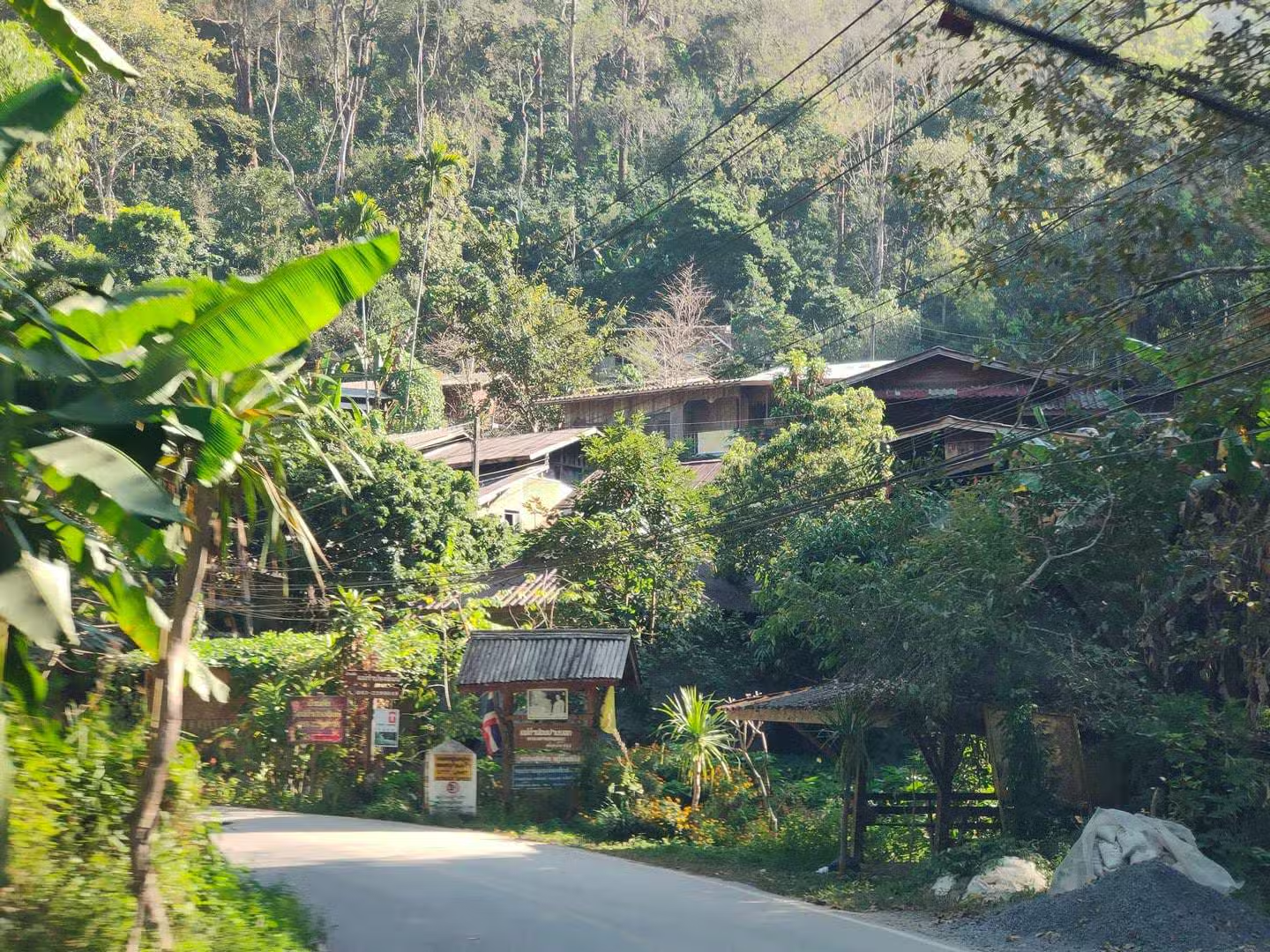
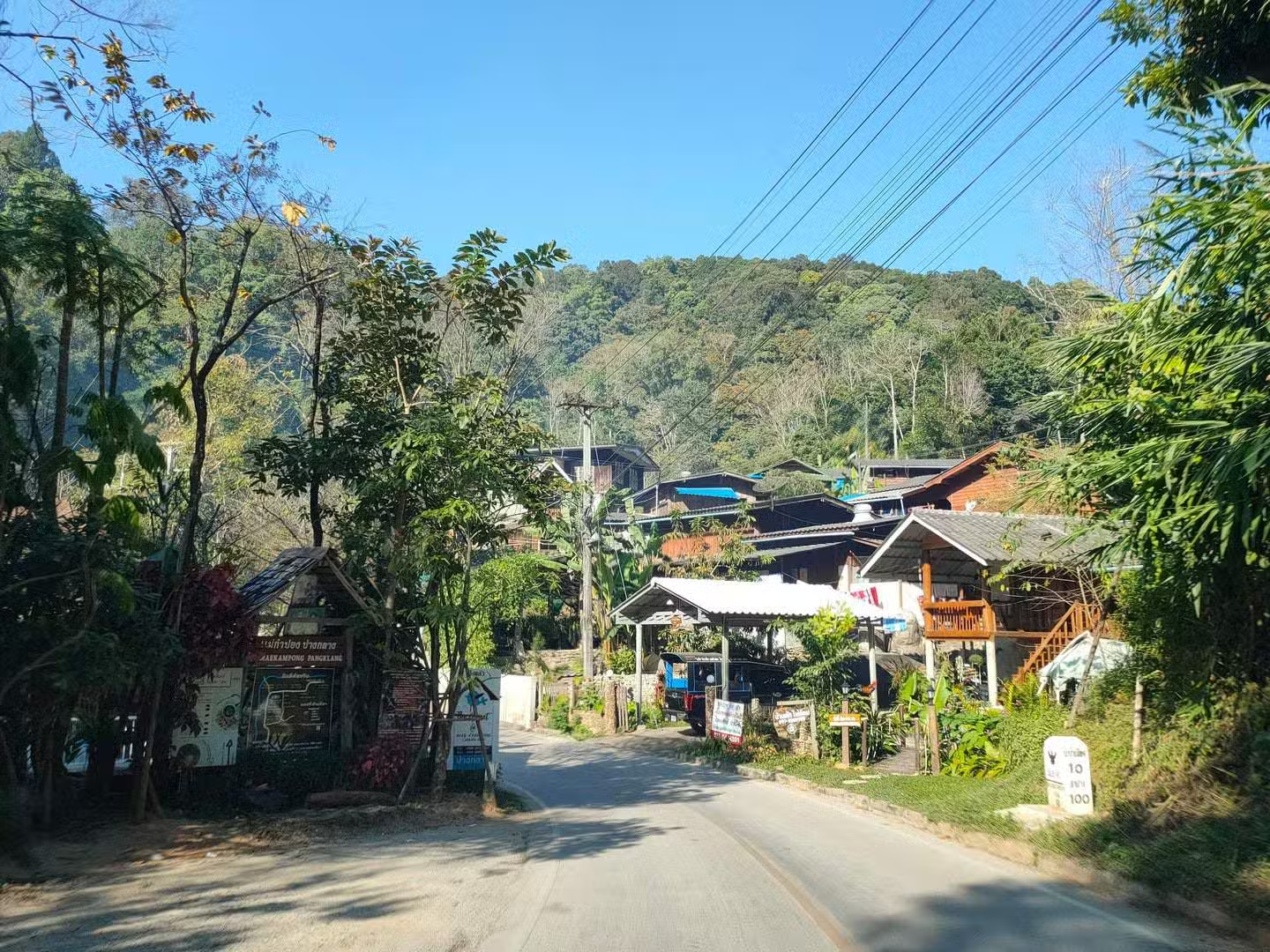
The central road and smaller approaches let you see how the village fits around the stream and slopes. Timber buildings, bridges and forest vegetation provide the setting for shops, food stops and guest accommodation. Walk slowly, watch for vehicles on the narrow road and use public routes rather than entering a home’s garden for a photograph.
Mae Kampong has a long connection with growing tea for miang, the fermented tea leaves associated with northern Thai food culture. Coffee cultivation and visitor cafés add another part of its economy. Trying a local dish or coffee gives more context to the visit than treating the buildings only as a backdrop.
Ask about community activities if you want to learn more about tea growing or village life. These need local arrangements and should not be assumed to happen every day. Monks’ routines, farming work and family gatherings are not scheduled performances for visitors.
The Temple, Waterfall and Surrounding Hills
Wat Khantha Phueksa
The village temple, also called Wat Mae Kampong, adds a cultural stop to the walk. Its carved timber hall and distinctive water-set ordination building connect Lanna architecture with the streamside setting. View the buildings from accessible public areas and enter a hall only when visitors are permitted.
Cover shoulders and knees and remove shoes where indicated. Give worshippers space, keep photography discreet and avoid assuming every part of the temple is open simply because the main village road is busy.
Mae Kampong Waterfall
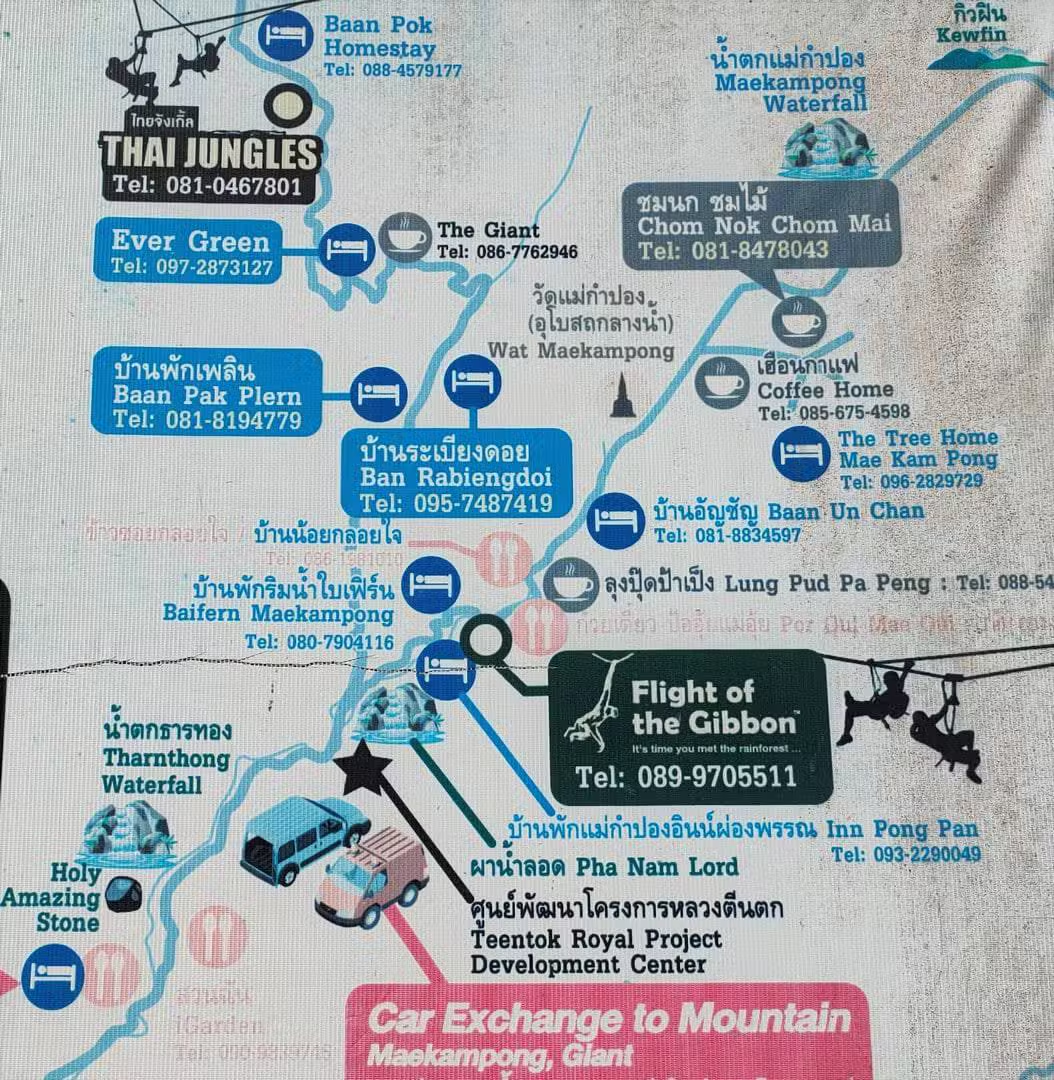
The waterfall is beyond the village, with forest paths following a series of cascades. It adds an outdoor walk to a visit otherwise centred on food, cafés and buildings. The route involves slopes and potentially slippery surfaces, so bring suitable shoes and ask about current access before setting out.
Plan the waterfall as an additional stop rather than assuming it is beside every café. Rain changes the water volume and trail conditions, and access to a viewpoint does not establish that swimming is permitted. Follow local restrictions and leave enough time for the return walk.
Longer Walks and Viewpoints
For a longer outing, enquire locally about guided forest routes and viewpoints in the surrounding hills. Check the distance, climbing, meeting point and return transport before booking. A road-accessible café view and a mountain walking route have different demands, even if both are described as a viewpoint.
Chae Son National Park lies in the wider mountain region, with a separate road approach and visitor arrangements. Do not treat its hot springs and waterfalls as a quick walk from Mae Kampong. Choose a route that fits the day’s daylight and driving conditions instead of adding every nearby name to one itinerary.
Cafés, Local Food and Homestays
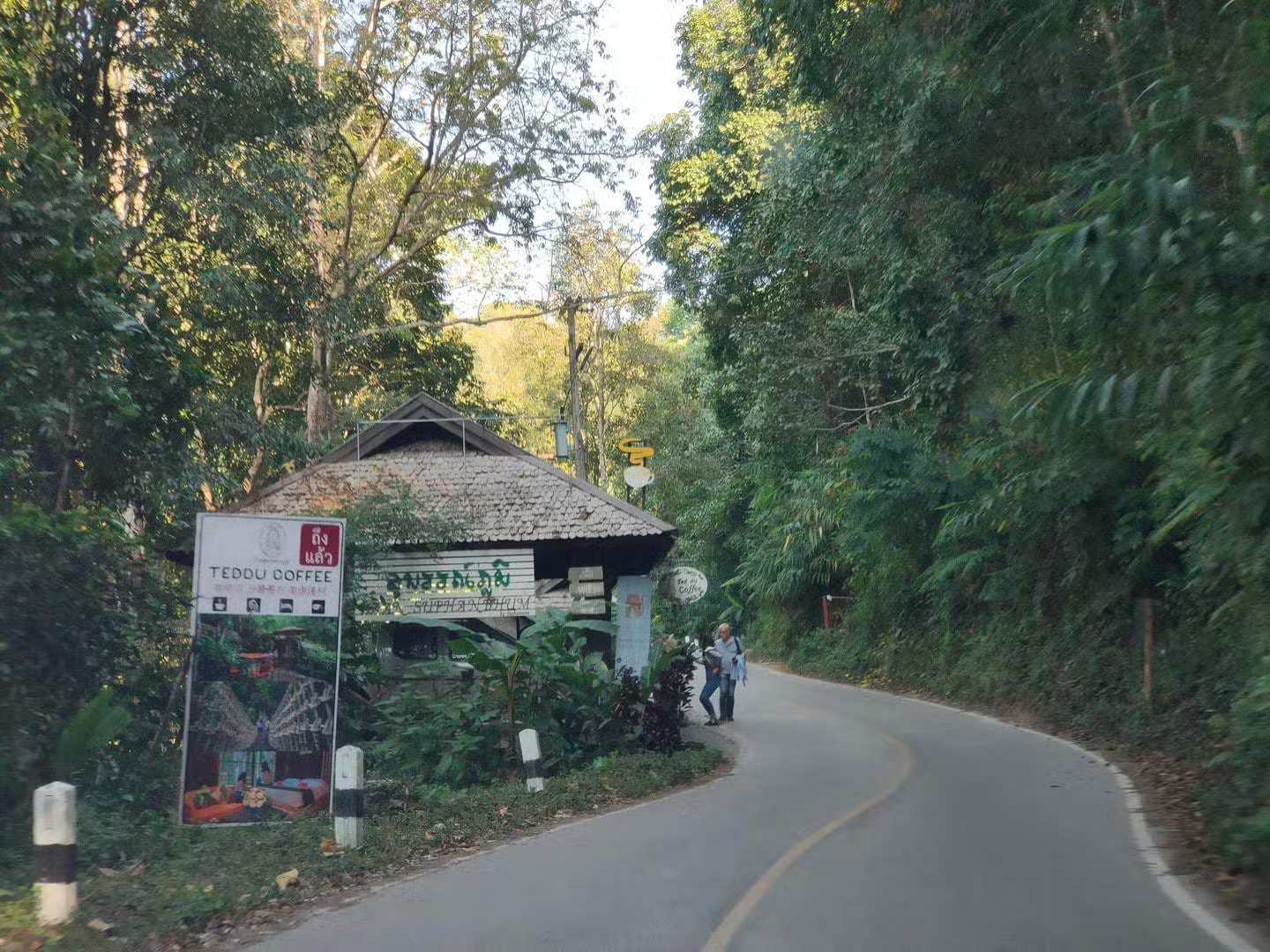
A café stop is one of the simplest ways to enjoy the village setting, whether beside the stream or higher on the hillside. Check the walking or vehicle approach before choosing a place with a view, since a short map distance can involve a steep climb. Allow time to order and relax rather than moving between several cafés just for photographs.
Food stalls and small restaurants offer another reason to linger. Ask what is available that day and check ingredients for dietary needs. Buying meals, drinks or crafts from village businesses is a practical way to support the local visit without expecting private areas to be opened for you.
Homestays and guesthouses let you remain after most day visitors leave and explore the village again in the morning. Accommodation varies from simple family-hosted stays to more independent rooms. Confirm meals, bathrooms, bedding, heating or warm blankets, parking and the final approach before paying.
Ask whether your host can arrange a local guide or activity and whether it is included in the room price. Quiet evenings and cool mornings are part of an overnight mountain stay, so respect neighbours and avoid treating a residential lane as a nightlife area.
Planning a Day Trip
Allow a full day from Chiang Mai if you want the village walk, lunch, a café and the waterfall without rushing. A shorter visit can focus on the central streets and temple, while an overnight booking provides more time for a guided activity. Business hours vary, and daylight is the most practical period for exploring on foot.
There is no single ticket covering the entire village experience. Budget separately for transport, parking where charged, meals, accommodation and any guided activity. Confirm fees at each stop rather than assuming a tour quote includes every purchase or attraction.
Bring a light layer, rain protection and walking shoes. The mountain setting can feel cooler than Chiang Mai, while wet weather makes roads and paths more demanding. Weekends and holidays can be busy, so book accommodation and transport ahead and leave flexibility around parking and café waits.
Getting to Mae Kampong
Mae Kampong is in Huai Kaeo, Mae On, east of Chiang Mai. One approach follows Highway 118 towards Doi Saket before turning at Pong Din towards the local roads serving Mae Kampong. Another journey may approach through the Mae On area, so agree on the route with your driver and use your host’s or chosen stop’s exact directions for the final climb.
The mountain roads are winding, with narrow sections through the village. A hired driver or organised transfer is convenient if you are unfamiliar with them. Confirm pickup, waiting time and the return journey; a general city taxi booking does not automatically include a countryside round trip.
Drivers should use designated parking and follow any local vehicle-management arrangements. Do not stop in the road to take photographs or assume a large vehicle can reach a hillside guesthouse door. For an overnight stay, ask your accommodation about luggage transfer and the walk from parking before arrival.
Mae Kampong Village FAQs
What is there to do in Mae Kampong?
Walk through the streamside village, try local food and coffee, visit Wat Mae Kampong and add a waterfall walk if conditions allow. Guided community or forest activities need separate arrangements.
Can you visit as a day trip from Chiang Mai?
Yes, but allow a full day for a relaxed visit with lunch and the waterfall. The winding journey and local parking arrangements make a rushed timetable less practical.
Where is Mae Kampong Village?
Mae Kampong is in Mae On, around 50 kilometres east of the city. Use the Huai Kaeo village location when booking transport, rather than confusing it with Mae Rim or Mae Taeng.
Can you stay overnight?
Homestays and guesthouses offer different room and meal arrangements. Confirm bathrooms, bedding, parking and the final uphill or lane approach with your host, especially if carrying large bags.
Is the waterfall an easy extra stop?
It is beyond the central village and involves a separate forest walk with slopes and potentially slippery surfaces. Ask about the open route and allow time for the return.
Do you need a car?
A hired driver, organised transfer or suitable private vehicle is practical for the mountain approach. Arrange the return journey and follow local parking rules instead of relying on finding a city-style taxi at the village.











Do You Have a Question to Ask?