


















































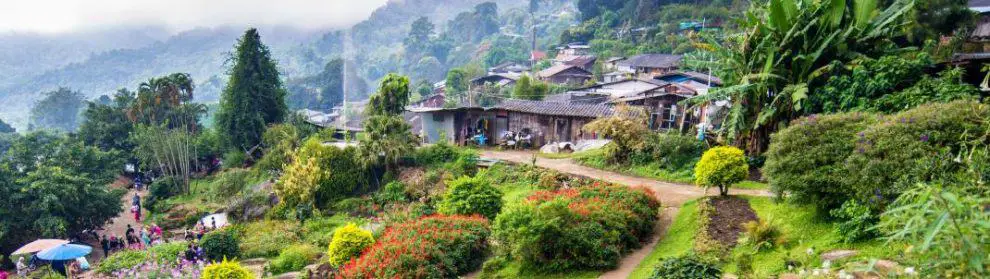
Doi Suthep-Pui National Park rises west of Chiang Mai, bringing forest temples, waterfalls and cooler mountain country within reach of the city. Wat Phra That Doi Suthep is its best-known landmark, but the park also includes quieter forest settings, Doi Pui, camping areas and waterfall sections reached by different roads.
The park is spread across roughly 257 square kilometres rather than enclosed behind one sightseeing entrance. Decide whether your day centres on temples, a waterfall or a forest walk, then connect a manageable number of places. A general park itinerary should not assume that every site shares the same hours, entry charge or access conditions.
Following the main mountain road
The Doi Suthep road climbs from the Chiang Mai Zoo area through forest towards Wat Phra That Doi Suthep. Beyond the temple, the route continues towards Bhubing Palace and Doi Pui. The sequence makes a practical framework for a mountain outing, with smaller side trips added only when time and access allow.
Changing elevation is part of the experience. Lower woodland gives way to cooler higher forest, with bends in the road revealing glimpses of the city or surrounding slopes. Weather can change quickly: sunshine in Chiang Mai does not guarantee a clear or warm afternoon farther up the mountain.
For a half day, the main temple and one nearby stop are more realistic than an attempt to include every waterfall, village and palace garden. A full day gives more flexibility, but longer hikes still need their own route plan. Leave time for the descent and your return transport.
The two contrasting temple visits
Wat Phra That Doi Suthep
The mountaintop temple is an active sacred site with a golden chedi, Buddha images, bells, decorated halls and viewpoints over Chiang Mai. Looking closely at the religious details makes the visit more meaningful than simply using the terrace as a city lookout.
The naga-lined staircase has about 309 steps, while a funicular provides an alternative approach when operating. Temple and funicular charges are separate from national park admission. Ask about the easiest route if stairs affect your visit; reaching the upper area does not establish unrestricted access to every part of the complex.
Cover shoulders and knees, remove shoes before entering the principal sacred terrace and avoid interrupting ceremonies. Clear weather can reveal the city and plain below, but mist and seasonal haze sometimes obscure the view. The temple itself remains the reason to visit even when the panorama is limited.
Wat Pha Lat and the Monk’s Trail
Wat Pha Lat is a forest temple lower on the mountain, with buildings, shrines and pathways arranged among trees, rocks and streams. Its shaded setting provides a different atmosphere from the larger mountaintop complex. Spend time following the permitted paths and listening to the forest as well as looking at the buildings.
The lower Monk’s Trail approaches Wat Pha Lat from the city-side forest near Chiang Mai University. Allow about 45 minutes for the uphill walk as a planning starting point, with longer possible for rests, heat or slippery ground. It is a forest trail with roots and uneven surfaces, not a paved stroll.
The upper continuation towards Doi Suthep is steeper and involves a road crossing. Treat it as a separate hiking decision rather than an automatic extension of the lower walk. Check current access, fee arrangements and trail condition, carry water and avoid setting out late in the day.
Choosing a waterfall outing
Huay Kaew and Monthathan
Huay Kaew Waterfall is near the lower end of the mountain road, making it one of the easier waterfall areas to consider from the city. Short paths provide a change from roadside sightseeing, with water and wooded surroundings close to the main approach. Follow current signs before continuing beyond the usual visitor area.
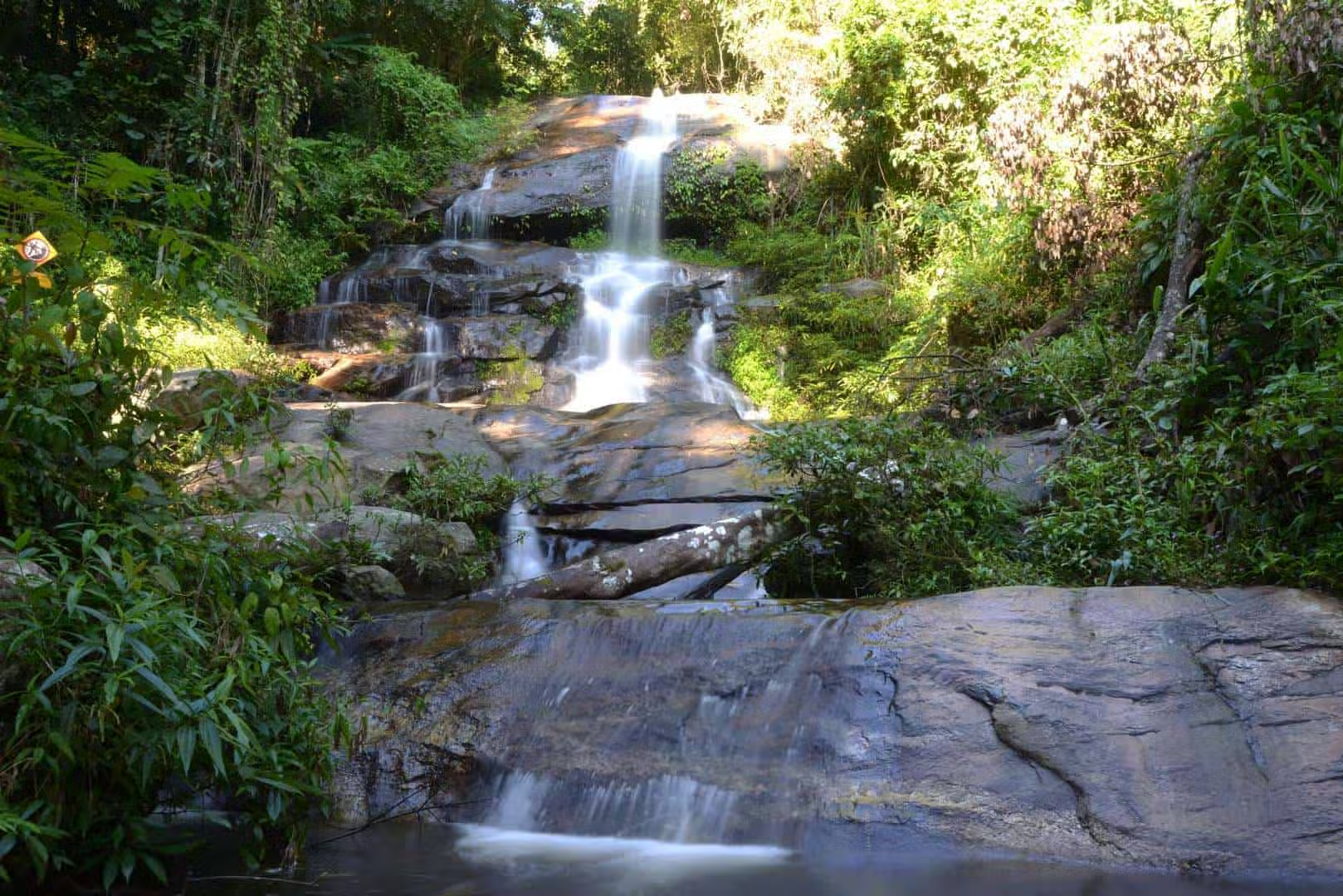
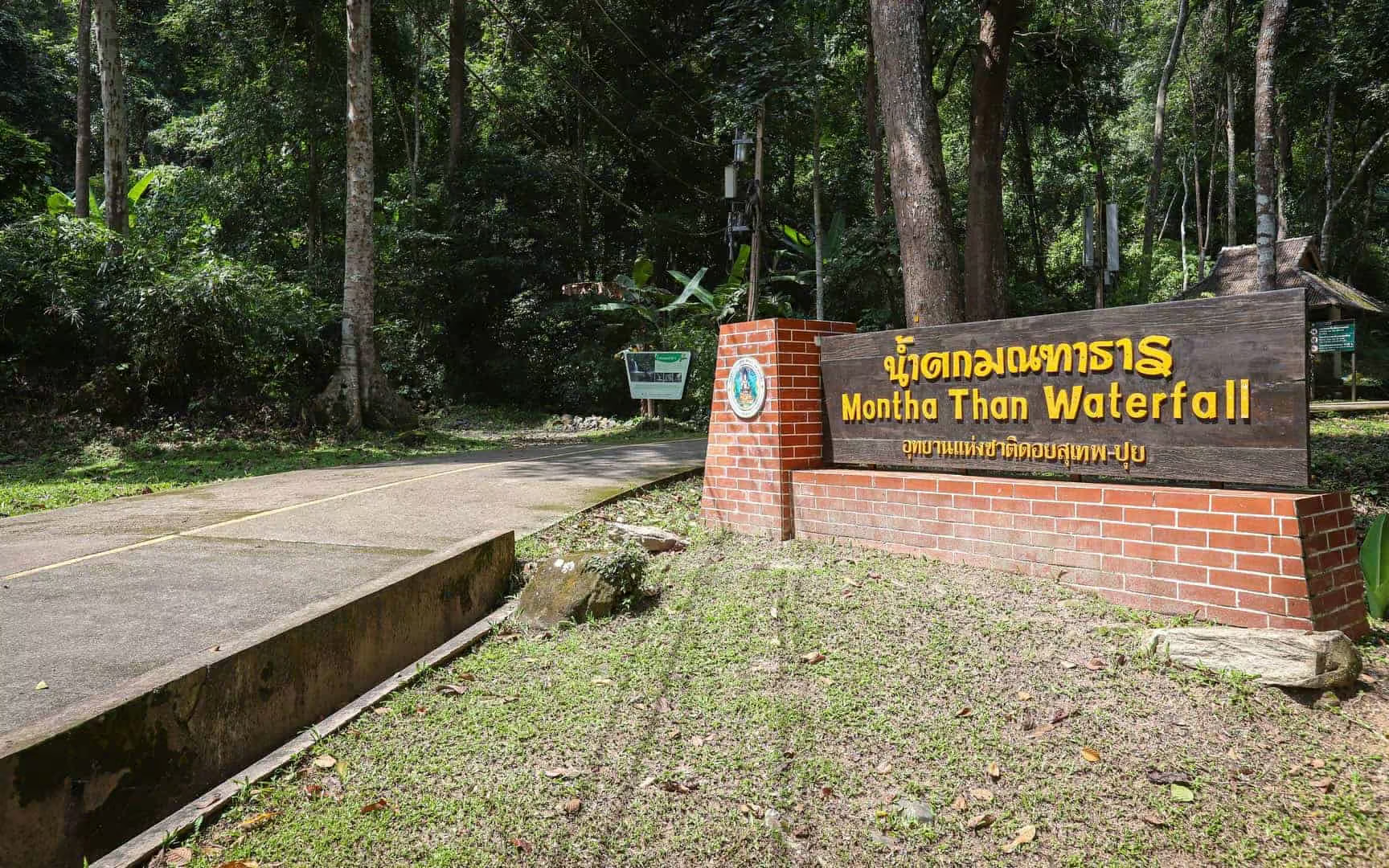
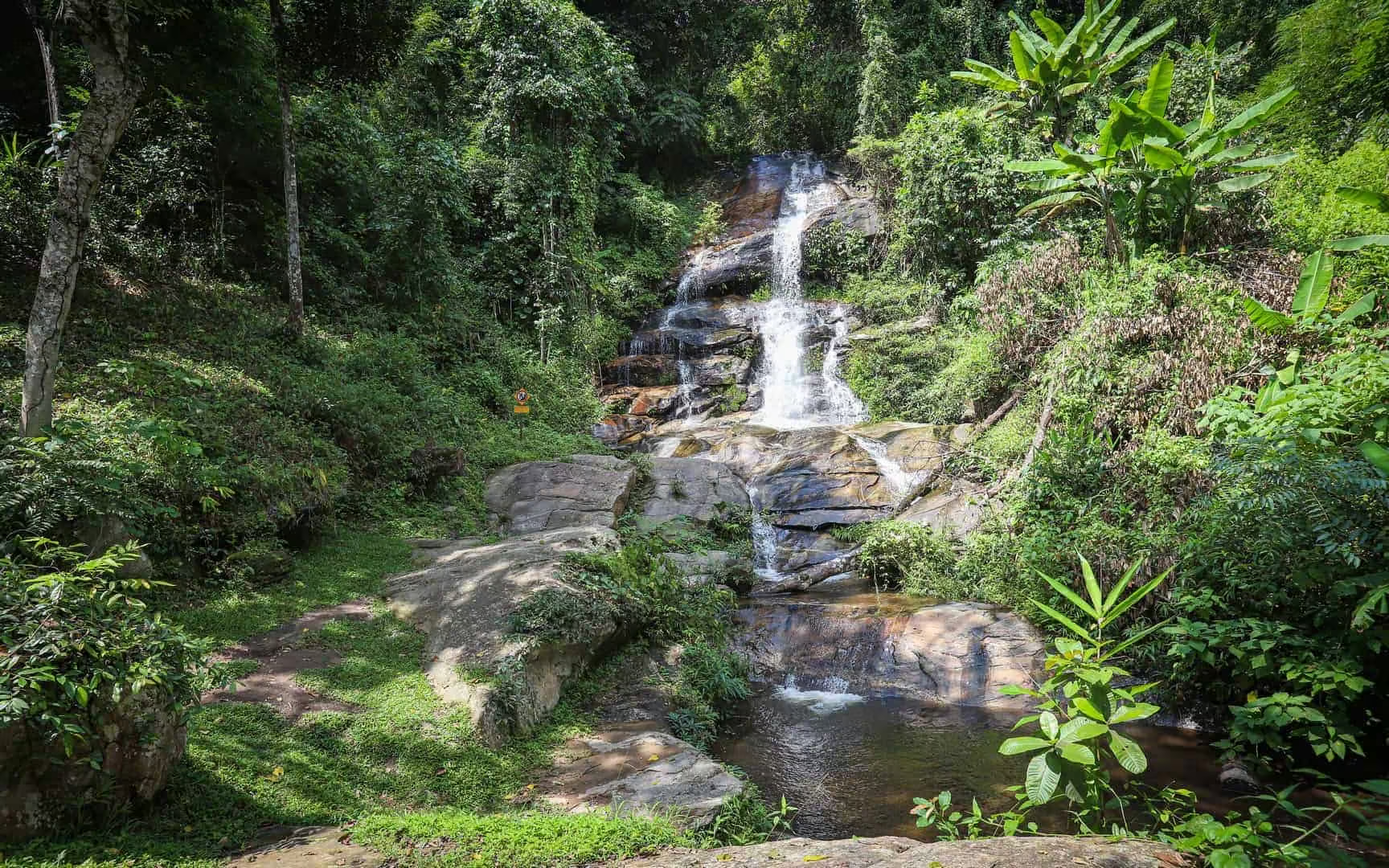
Monthathan Waterfall is reached by a side road farther into the park. Its cascades, forest paths and visitor facilities suit a more substantial nature stop, and the area also has designated camping. Ask which levels and routes are open rather than planning to complete every tier described on a map.
Waterfall paths and rocks can become slippery, and rainfall can change conditions rapidly. Do not enter a closed route or pool because someone else has done so. Choose the accessible section suitable for your group and allow time to return along the same route.
Separate northern waterfall areas
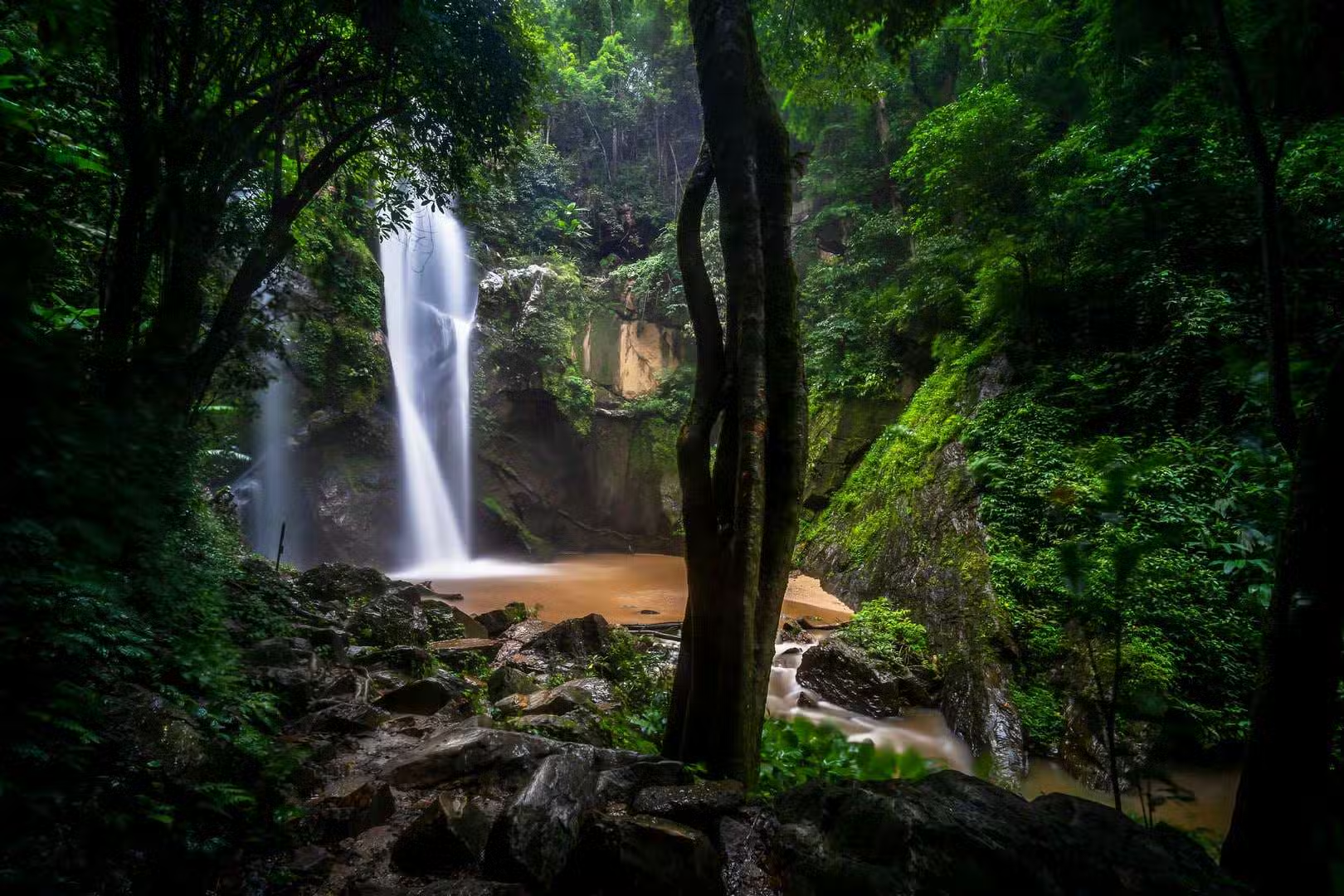
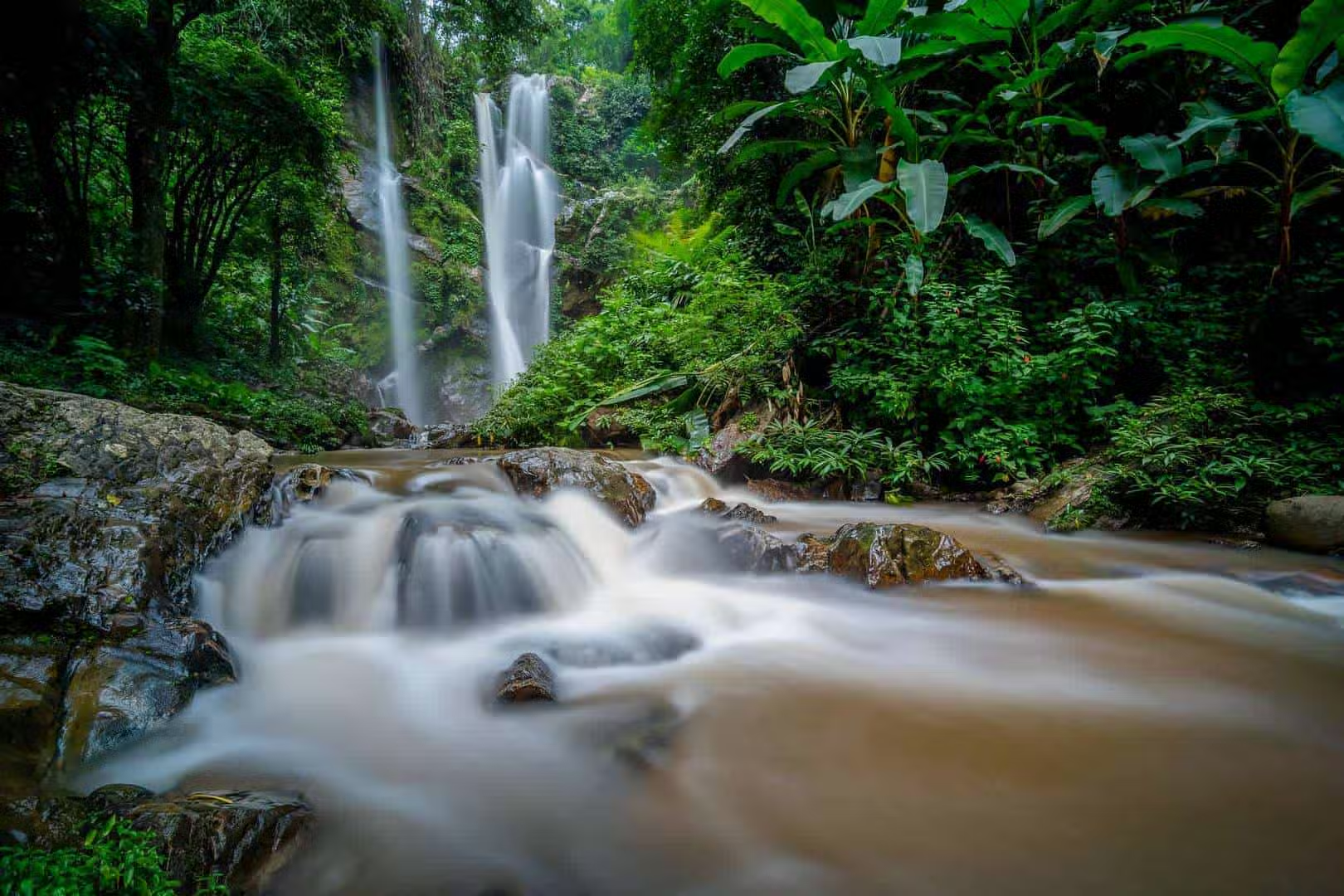
Mok Fa is part of the national park but lies in a separate northern section off the Chiang Mai-Pai road, Route 1095. It is more naturally included in an outing on that corridor than added casually to a Doi Suthep temple visit. The final approach and waterfall walk are separate from the mountain road above Chiang Mai.
Mae Sa Waterfall is another park waterfall, reached from the Mae Rim-Samoeng road, Route 1096. When open, its series of cascades suits a visit in Mae Sa Valley, with time needed for walking between levels. Mae Sa Waterfall was temporarily closed on 5 October 2026 after heavy rain and rising water. Confirm reopening with Doi Suthep-Pui National Park before adding it to your itinerary; choose another valley stop while access is restricted. Keep these northern sections distinct from the main Doi Suthep road when arranging transport or estimating a day.
Bhubing Palace and Doi Pui
Bhubing Palace, also called Phu Phing Palace, is a royal residence beyond the main temple. When public access is available, the landscaped grounds are known for roses and other plants suited to the cooler setting. It is a garden visit with its own ticket, dress and opening arrangements, rather than an interior palace tour included in park entry.
Confirm access before making it the main reason for your trip, since royal use and other arrangements can close the grounds. Build an alternative stop into your plan rather than assuming a general park opening time guarantees admission to the residence.
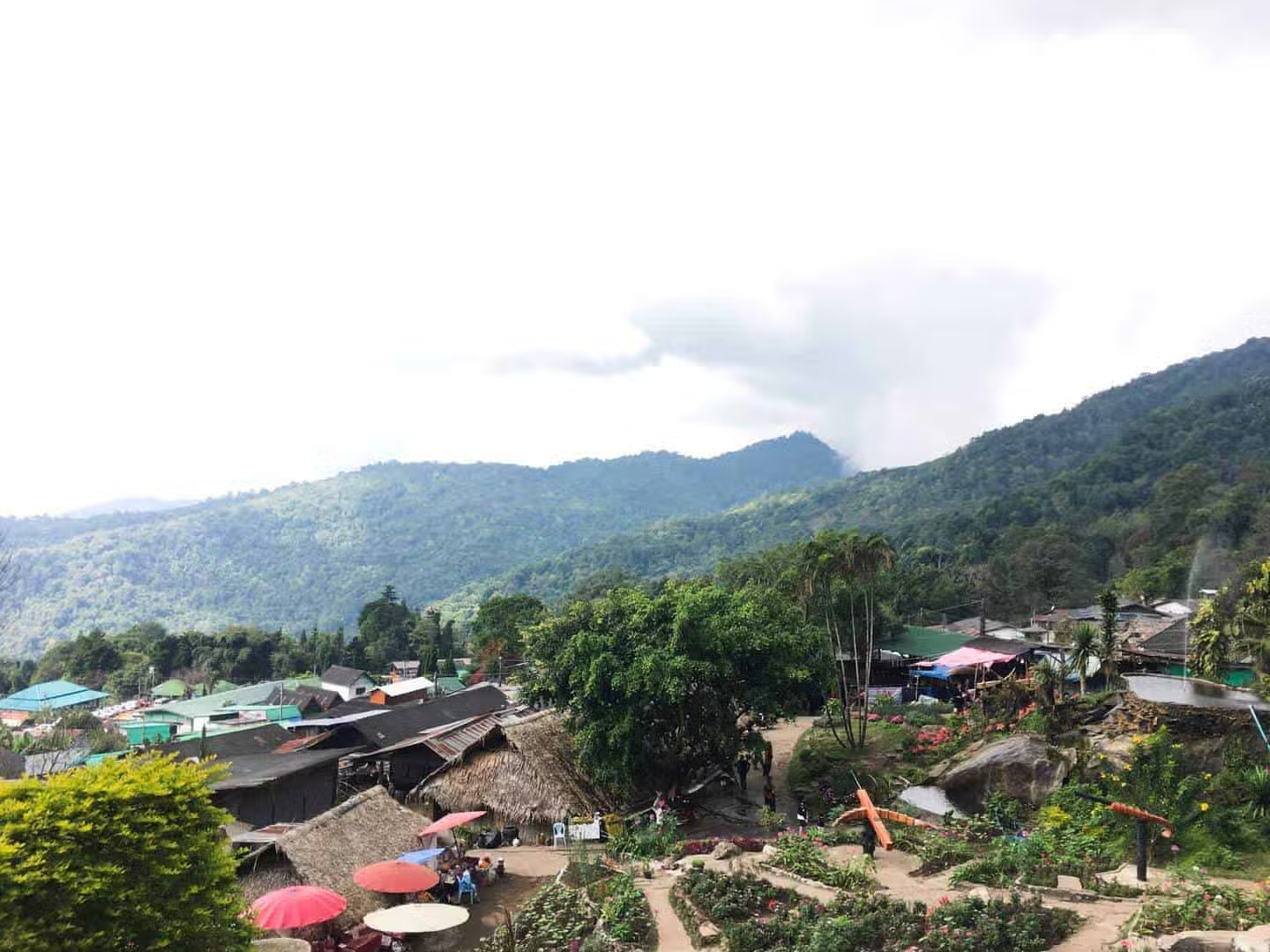
Farther along the mountain routes, Doi Pui Hmong Village offers stalls, food, gardens and a view of a living mountain community. Ask before photographing residents, respect private homes and use visitor paths. Shopping and refreshments can fit into a stop, but the village should not be treated as a staged performance.
The higher Doi Pui area also has forest trails and camping. Its appeal is the cooler woodland and opportunities for walking or birdwatching, rather than a promise of the same broad city view found at the temple terraces. Roads beyond the busiest stops can be narrower, so allow for slower travel.
Hiking, birdwatching and camping
Trails range from shorter visitor walks to routes through less clearly marked forest. Intersecting tracks can make navigation difficult even when a walk begins close to the city. Use a ranger or experienced local guide for longer routes, and confirm permission, starting point and return arrangements before setting out.
Birdwatchers benefit from the park’s variety of elevations and woodland. Move quietly and allow time to stop rather than trying to combine serious birdwatching with every sightseeing stop. Larger wildlife is elusive and should not be expected on an ordinary roadside outing.
Designated camping areas include Doi Pui and Monthathan. Confirm access, pitches, equipment hire and any accommodation booking before travelling with an overnight plan. The listed basic camping charge is 30 baht per person per night, with tents, bedding and other arrangements priced separately.
Higher areas can become cold after sunset, especially in the cool season. Bring warmer clothing and suitable sleeping equipment rather than packing only for Chiang Mai’s daytime temperature. Check food, drinking water and facilities near the actual camping area you choose.
Fees, opening arrangements and weather
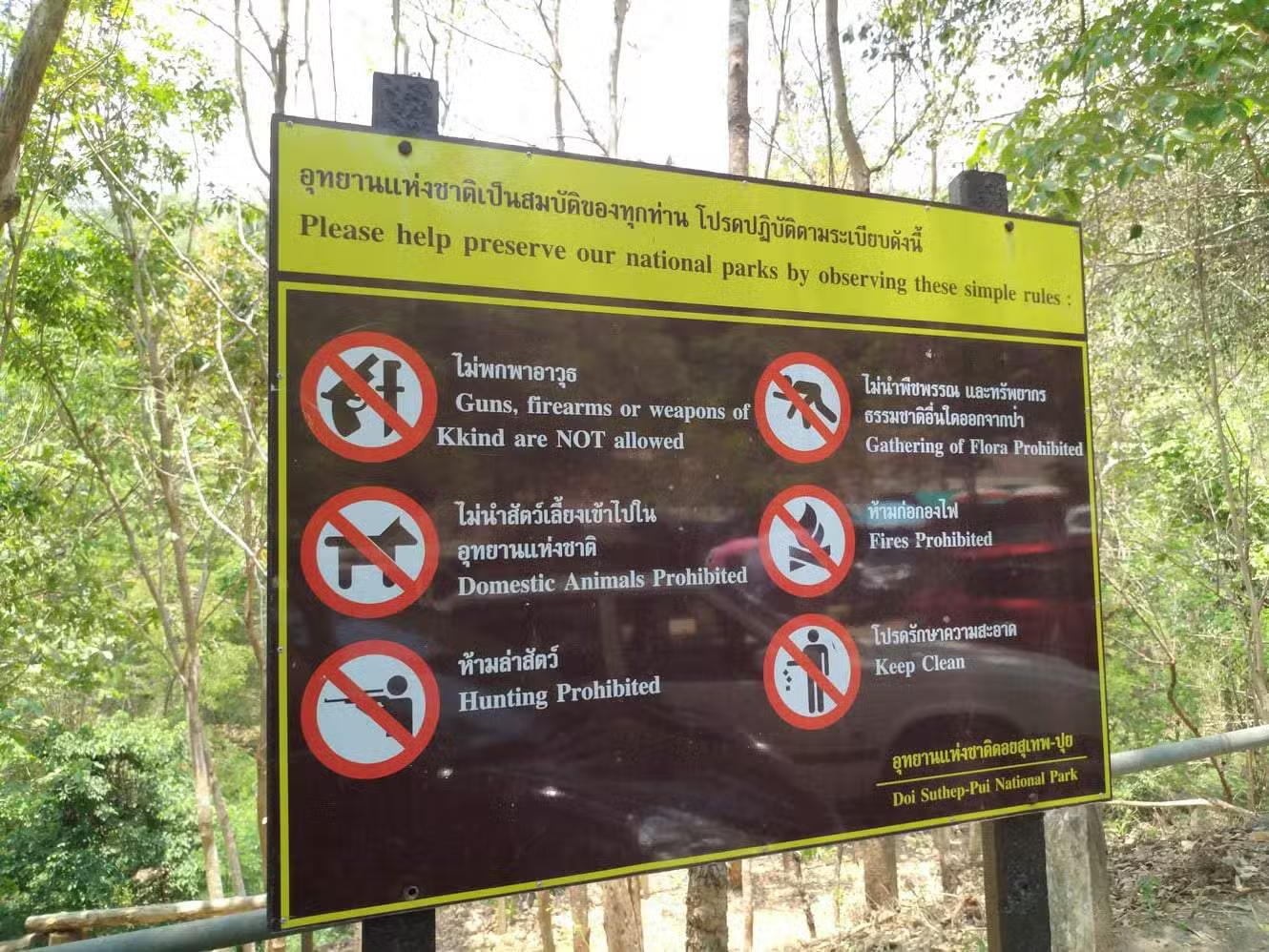
Listed park admission is 20 baht for Thai adults and 10 baht for Thai children, or 100 baht for foreign adults and 50 baht for foreign children. Charges are collected at designated nature and visitor areas; the main road does not function as a single ticket covering every temple, palace, trail and waterfall. Ask about the specific places on your route.
Visitor centres, waterfall areas and campsite visitor services generally list 8:30am-4:30pm hours. Temples and palace grounds use separate arrangements, and overnight camping requires its own booking. Vehicle entry, accommodation, funicular and other attraction charges may be additional.
Individual areas can close because of rain, flooding, landslides or fire risk. Check current park access before a hike or waterfall outing and follow the signs at the site. A clear road to the main temple is not proof that every forest route is open.
The cooler months generally suit longer walks, while wet weather brings greener forest and stronger water flows with more demanding footing. Smoke and haze can reduce views during the dry-season burning period. Choose activities around actual conditions rather than expecting a season label to guarantee the experience.
Getting there and arranging the return
Route 1004 climbs from the Huay Kaew Road and Chiang Mai Zoo area to Wat Phra That Doi Suthep. Allow roughly 30-45 minutes from central Chiang Mai to the temple, depending on your starting point, traffic and stops. The winding climb requires more time than the straight-line distance suggests.
Shared red songthaews commonly serve the temple from the zoo area. Confirm the departure, fare and return arrangements before boarding. For several sites, a hired songthaew, car or driver gives more control over the route and waiting time than a one-way lift to the temple.
Explain the actual stops you want, particularly if continuing to Doi Pui or leaving the main road for a waterfall. Remote camping and northern waterfall areas need different journeys. Passing taxis may be limited away from the principal temple area, so organise collection rather than assuming a vehicle will be available.
Drivers and riders should prepare for steep bends, mist and wet surfaces. Use the designated parking at each site and avoid stopping on a blind corner for a photograph. Motorbike access is best considered by riders already comfortable with mountain roads and their conditions.
Doi Suthep-Pui National Park FAQs
Is the park the same place as Doi Suthep temple?
The temple is one landmark within a much wider park. Waterfalls, forest trails, Doi Pui and separate northern sections have their own approaches and visiting arrangements, so a temple trip covers only part of the park.
Does park admission cover every attraction?
No. Park fees apply at designated areas, while temple, funicular, palace, vehicle and overnight charges can be separate. Confirm the charges for the actual stops or trail you plan to visit.
Can I walk the Monk’s Trail independently?
The lower route to Wat Pha Lat is a popular forest walk, but you should check access and conditions before starting. The upper continuation is steeper and includes a road crossing; longer or poorly marked routes are better arranged with local guidance.
Can I combine Mok Fa with Doi Suthep temple?
They are in different sections of the park. Mok Fa is off Route 1095 towards Pai, so it needs a separate road plan and should not be treated as a nearby stop beyond the temple.
How much time should I allow?
A half day suits the main temple and one nearby stop. Allow a full day for a broader mountain outing, and plan a longer hike or northern waterfall visit around its own travel and walking time.
Can I camp in the park?
Designated camping is available around places such as Doi Pui and Monthathan, subject to current access and booking arrangements. Confirm facilities and equipment hire, and bring warmer clothing for higher-elevation nights.
Does rain close the entire park?
Not necessarily, but individual waterfalls, trails or roads may close when conditions become unsafe. Check the specific area you want and follow ranger directions rather than treating a general opening time as an all-area guarantee.
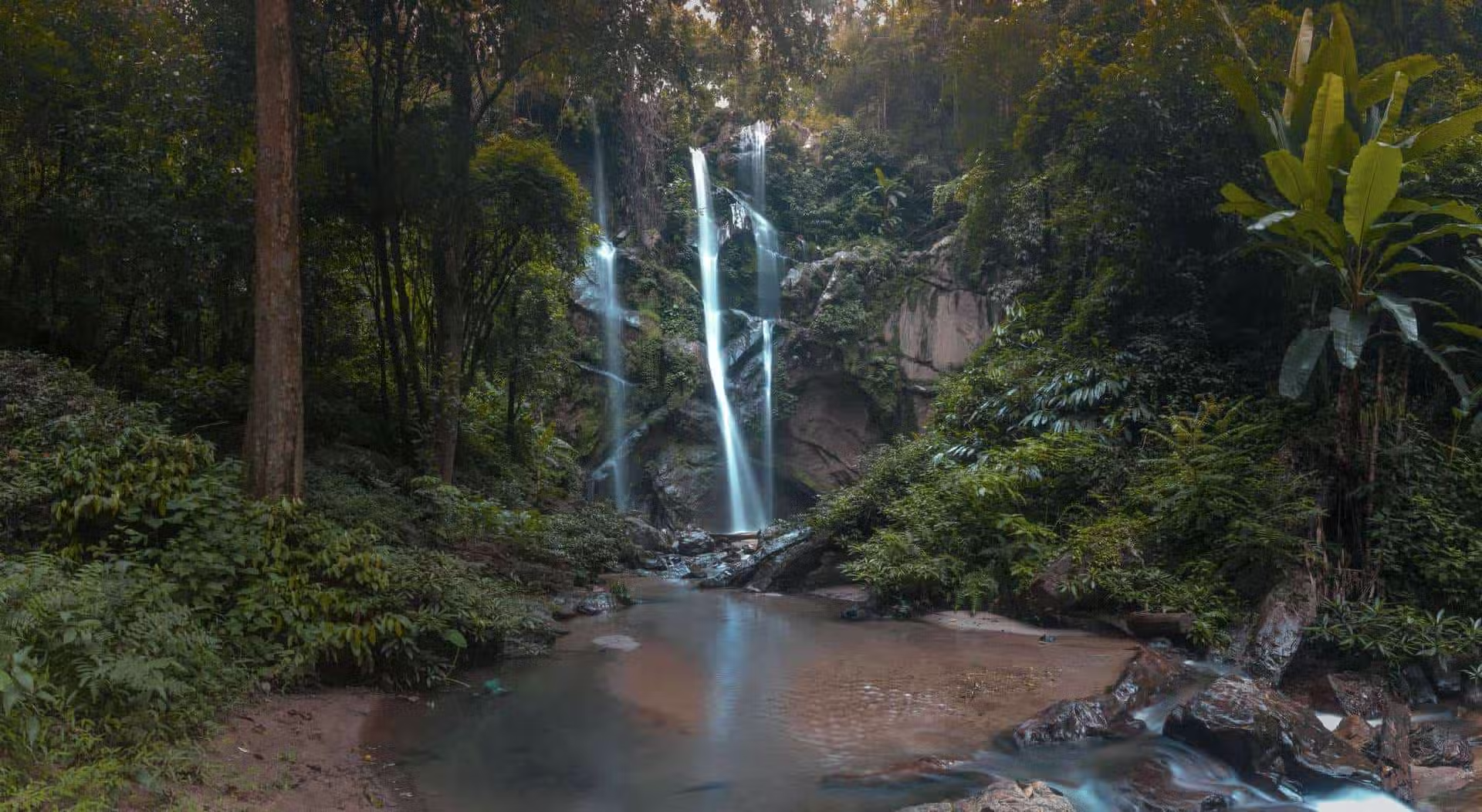









Is the walk to Dtaat Mook Waterfall an easy or difficult walk? How long is it?
We are assessing if this is suitable for bringing along a 3.5 year old with us.
Thank you
Hi there,
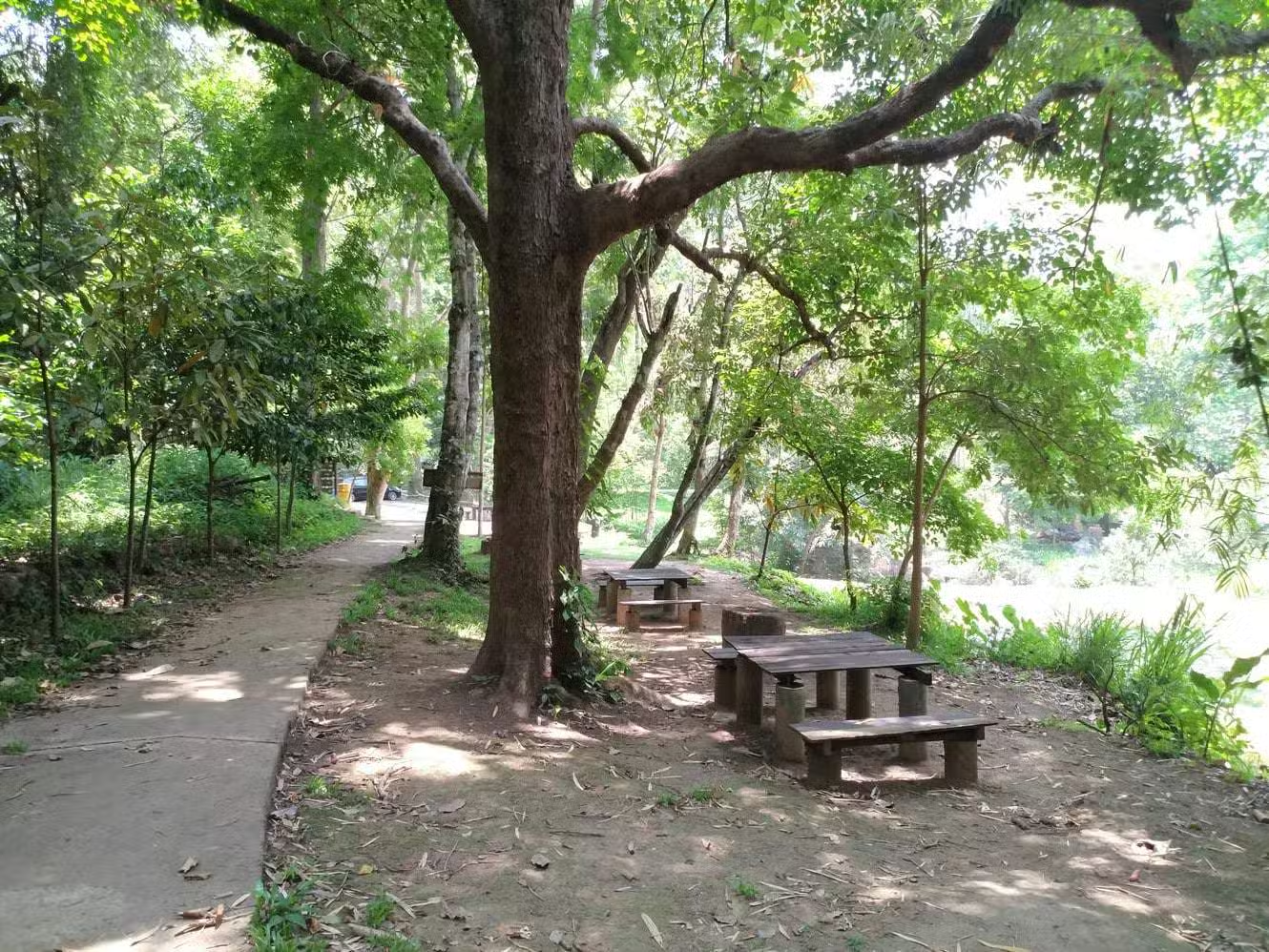
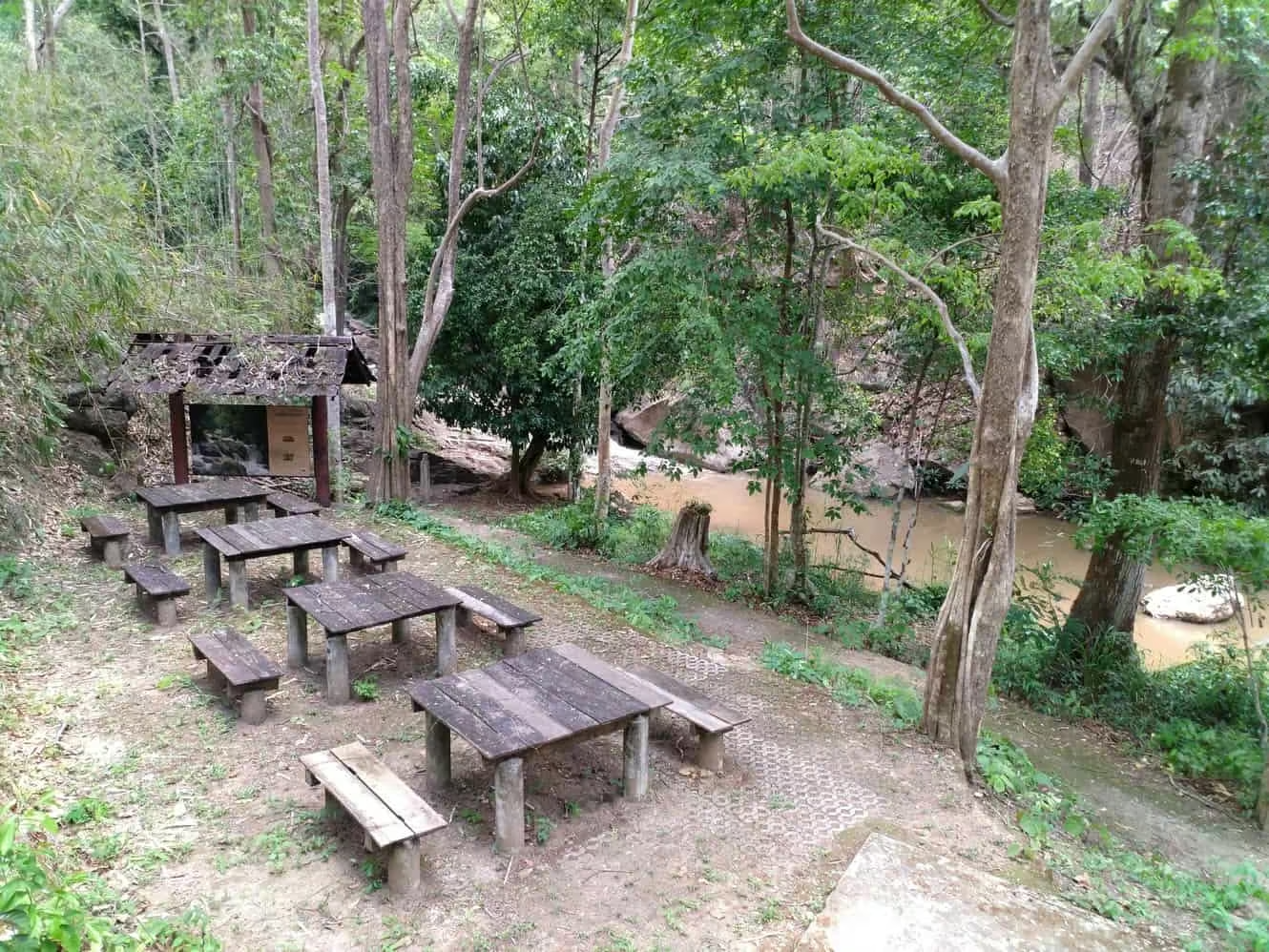
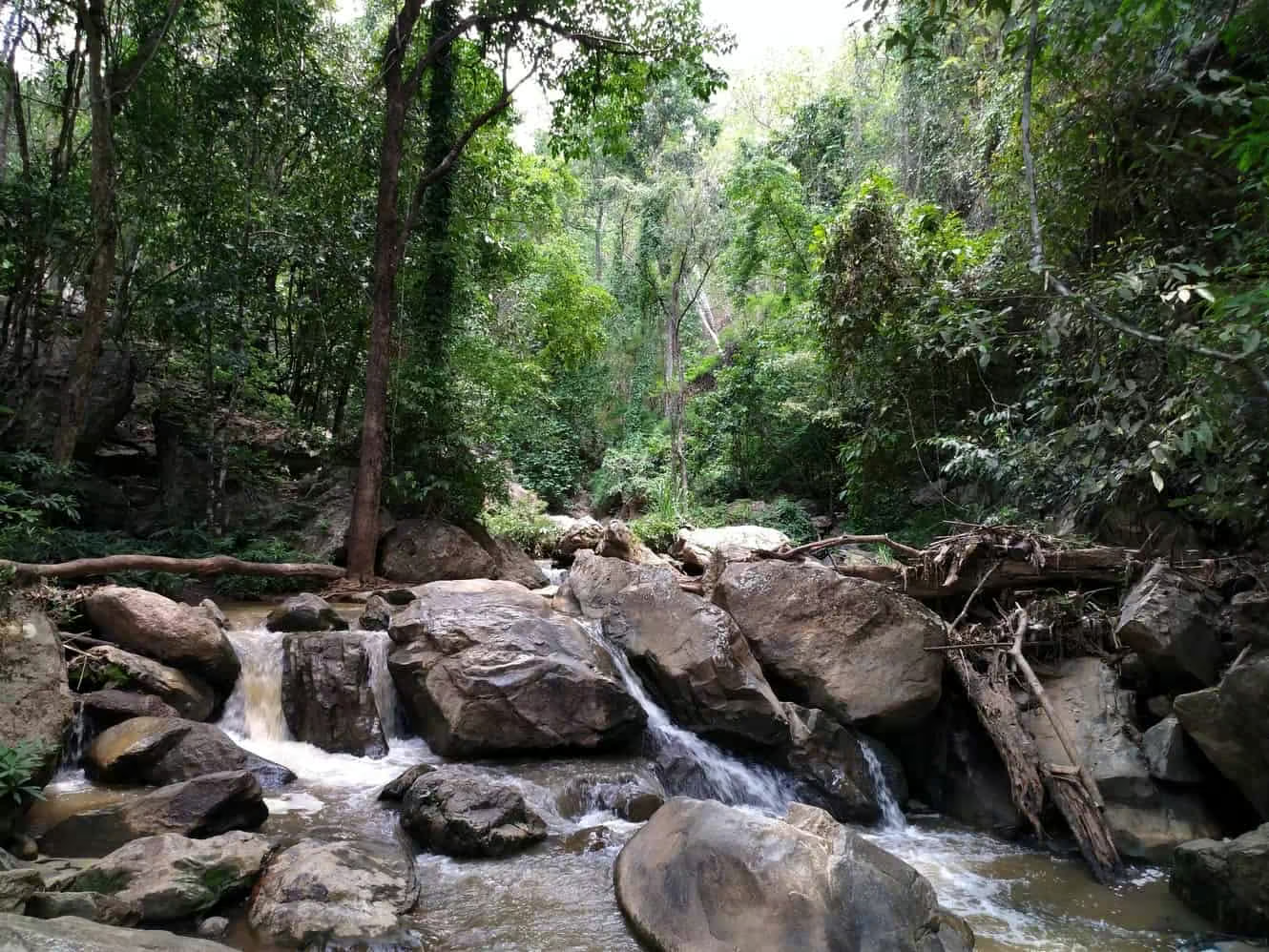
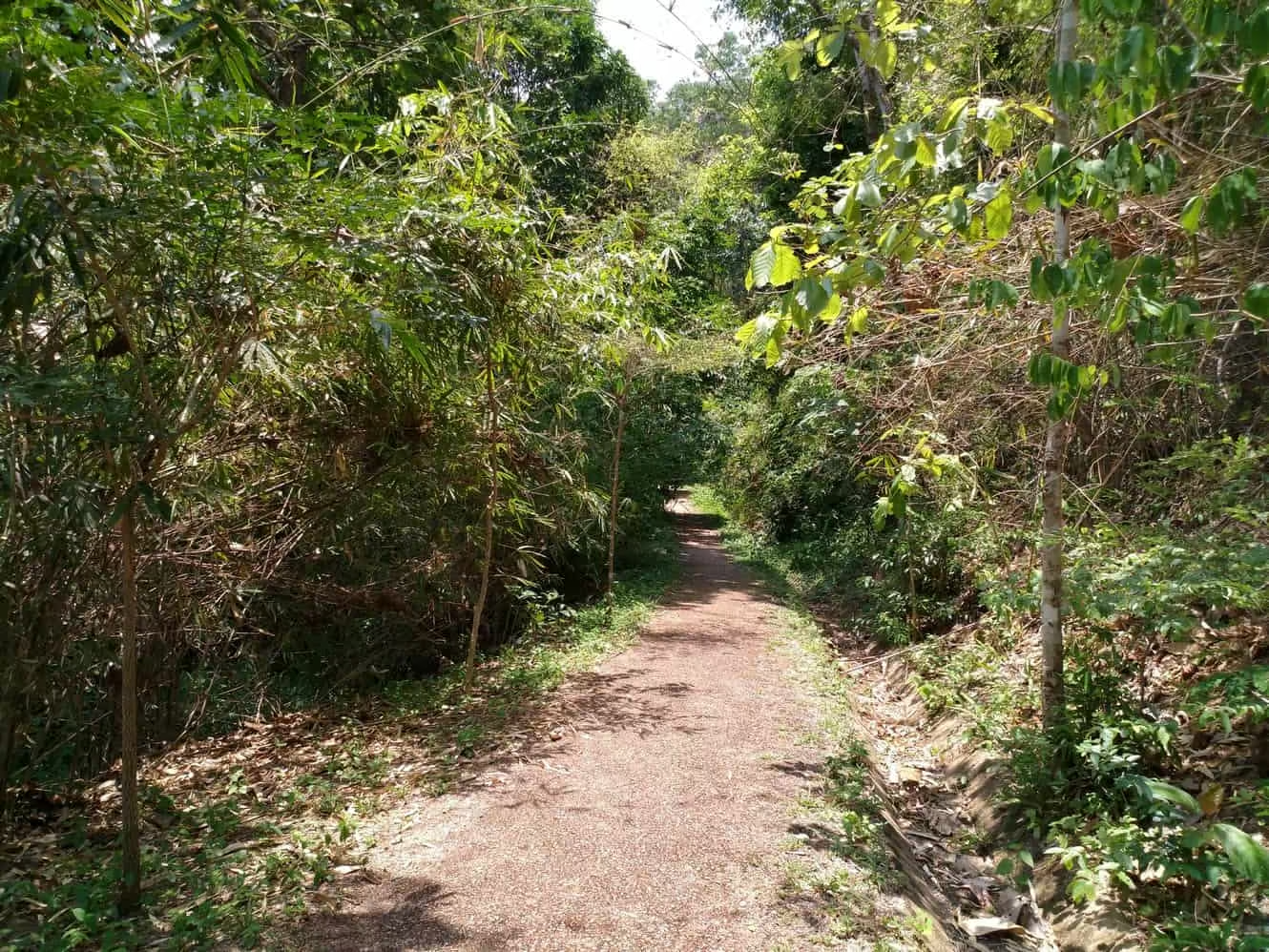
You can hike to Dtaat Mook Waterfall without a guide, however it would be difficult for a 3.5 year old. The trail isn’t marked and there are many branching trails to get lost if you don’t know where you are going. The hike is about 3kms long.
Best regards,
Jess